Michigan Good Food Fund sets 2026 agenda on community engagement, outreach
The Michigan Good Food Fund, is setting its sights on ambitious goals for 2026.
The Michigan Good Food Fund, a statewide lending network designed to support Michigan’s food and farm entrepreneurs, is setting its sights on ambitious goals for 2026, aiming to strengthen Michigan’s local food economy through deeper regional outreach, expanded programming, and a renewed commitment to reaching communities across the state.
Founded in 2015, the Michigan Good Food Fund is a collaborative of lending partners and business support organizations that help food and farm businesses grow and succeed. The Fund offers flexible financing ranging from $2,500 to $6 million, supporting both early-stage and established businesses at every step of their journey. By investing in food entrepreneurs from underserved communities, the Michigan Good Food Fund helps strengthen local food businesses, create jobs, and build more resilient, inclusive local economies through a more equitable approach to lending.

At the heart of the Michigan Good Food Fund’s work is a strong focus on rural and regional engagement, a top priority for the collaborative as it enters the new year. “We’re working to increase our presence across Michigan, especially in communities that have traditionally lacked access to funding and technical support,” says Shakir Bralock, director at the Michigan Good Food Fund. “This begins with targeted outreach, especially to locally owned groceries, farmer co-ops, and value chain businesses.”
To support this approach, the Michigan Good Food Fund plans to host a series of workshops and learning cohorts tailored for food entrepreneurs and established businesses. Workshops will offer education and networking opportunities, while longer-term cohorts will provide hands-on training and business development support.
According to Bralock, past cohort programs—such as those delivered in partnership with the Flint Genesee County Business Alliance—have proven crucial for helping growth-stage food and farm businesses scale operations, hire new staff, launch products, and expand their reach.
A key element of the 2026 strategy is working closely with Michigan’s Indigenous and tribal communities. “We really want to strengthen relationships with Indigenous-led community development financial institutions and tribal partners,” says Bralock. “It’s important to us to provide programs specifically designed to meet their community needs and help their food businesses grow.”
Michigan Good Food Fund also plans to expand its regional footprint by adding investment managers in northern and western Michigan to improve outreach and relationship-building in those areas. Leveraging trusted local partners remains a cornerstone of the collaborative’s economic development approach.
“Our partnerships have been key,” Bralock says. “Organizations like Detroit Development Fund, Michigan Women Forward, CEED Lending, Lake Trust Credit Union, ProsperUS, Growing Hope, Crosshatch Center for Art and Ecology, and municipal partners such as the City of Eastpointe Economic Development help us reach entrepreneurs where they are and deliver programming that’s responsive to local needs.”
These partnerships—spanning community development financial institutions, nonprofit business support organizations, credit unions, place-based arts and ecology organizations, and municipal economic development offices—play a critical role in ensuring that capital, coaching, and technical assistance are accessible across Michigan’s diverse urban, rural, and tribal communities.
A statewide stakeholder board, comprised of farmers, funders, policymakers, and entrepreneurial professionals, will continue to work closely with the Michigan Good Food Fund to introduce its services to new partners, guide program development, and ensure offerings remain culturally appropriate and effective.
“Our partnerships and community collaborators are going to be a big part of helping us achieve our goals,” Bralock says. “Our stakeholder board, community partners, and lending partners. Those three groups will be key as we create programming aligned with Michigan’s food and farm business needs.”
In addition to launching new programs, Michigan Good Food Fund is prioritizing stronger coordination among its lending partners. Regular bi-weekly calls with community development financial institutions will help align outreach, streamline loan approvals, and provide more tailored guidance to food businesses seeking financing.
“With our expanded team, deeper partnerships, and regionally focused programs, we’re positioned to increase our impact in 2026,” Bralock says. “By connecting people, funding, and expertise, we can help Michigan’s food businesses thrive—no matter where they’re located.”
Michigan Good Food Fund aims to ensure no community is left behind as it drives equitable, sustainable growth in Michigan’s food system. Learn more about upcoming funding opportunities and services at MiGoodFoodFund.org.
Author

Related Articles

Small Business Social Hours foster success through face-to-face connection
Why face-to-face networking opportunities are even more important for small businesses and entrepreneurs.
Micro forests attract not only birds and bees but Metro Detroiters, too
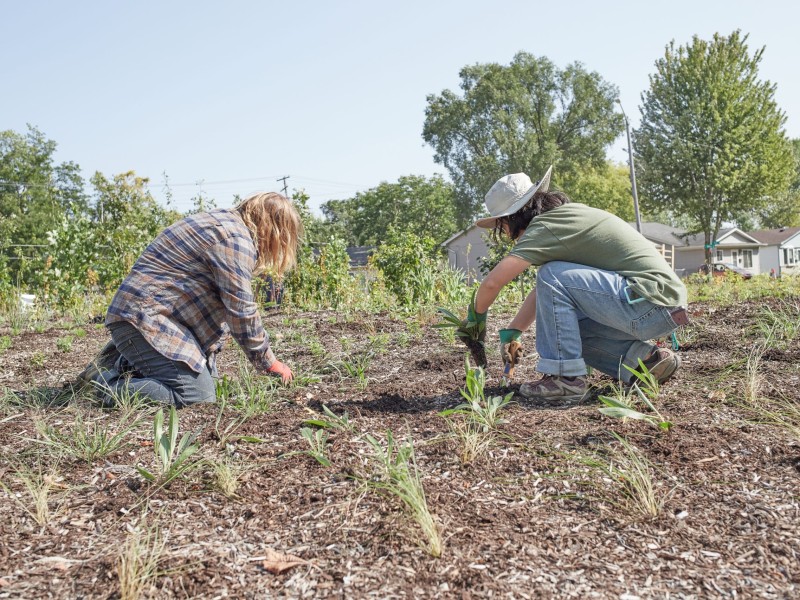
Whether you call them micro, mini, or pocket forests, they are taking root around the world — and in metro Detroit. They help the environment, provide refuge to native species, and respite to people seeking green spaces — especially in urban areas.
From campus project to market success: How one student reimagined camping
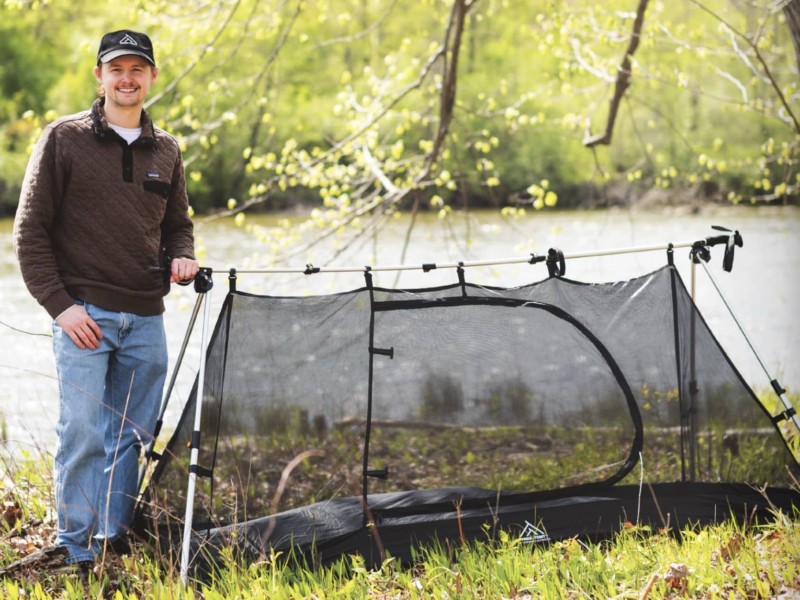
How does a college project turn into a thriving outdoor brand? Discover how NMU student Evan BeVier and healthcare founder Gretchen Heinen scaled their big ideas with the help of Innovate Marquette SmartZone.