Blue Meets Green collaborative feeds economic prosperity
The Blue Meets Green collaborative considers all sectors while cultivating a prosperous St. Clair County.

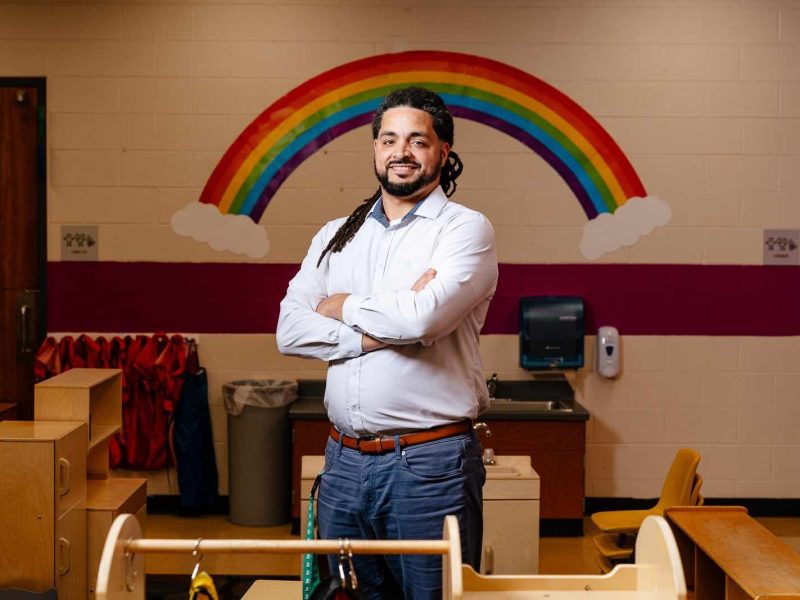
The Blue Meets Green collaborative considers all sectors while cultivating a prosperous St. Clair County.

Quality child care is necessary, but not always available or affordable. The MiLEAP Caring for MI Future: Facilities Improvement Fund has launched a $59 million fund to provide new and expanding home-based and center-based facilities across the state.
As part of the Region I Regional Housing Partnership, the Capital Area Housing Partnership and the Tri-County Regional Planning Commission are tasked with developing local action plans to address the housing crisis. City and state government, neighborhood developers including Forsberg Real Estate, and area nonprofits are working together to address homelessness in greater Lansing and to attract residents to Eaton Rapids.

Although headquartered in Indiana, the FHLBank of Indianapolis provides access to grant programs and resources for small businesses throughout Michigan. The Elevate Grant aims to generate more economic opportunity for all, and helps small businesses like Mushroom House Tours in Charlevoix and The Poke Bowl in Flint to level up.
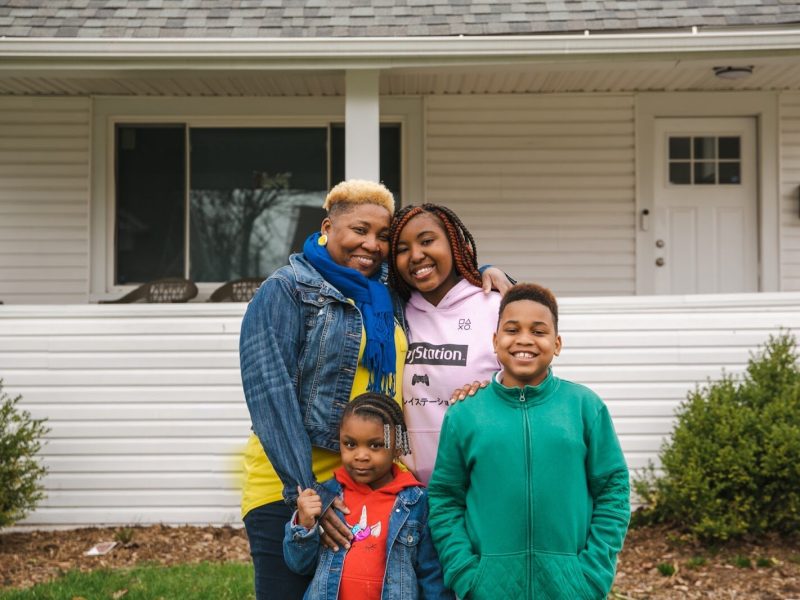
Michigan has a huge housing shortage. To address this need, many communities are utilizing community land trusts, like ICCF, to ensure affordable homeownership for generations to come.
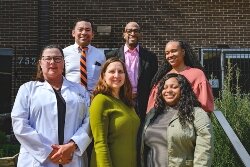
Corktown Health has evolved and grown from offering end-of-life services during the HIV/AIDS epidemic to providing primary care for the LGBTQ community. Through financial support from IFF, and through partnerships with local organizations including MiGen, the health network continues to provide a life-changing impact on the patients it serves.
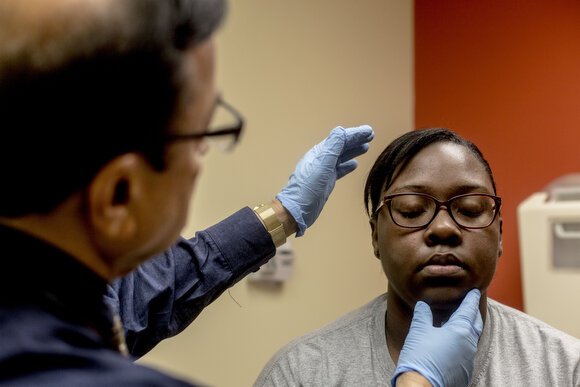
Over the next several months, the High Ground Team will be diving deep into the More for Memphis plan: What it is, why it is, and where it's taking us. This week, we take a look at the plan's initiative for Health & Well-Being.
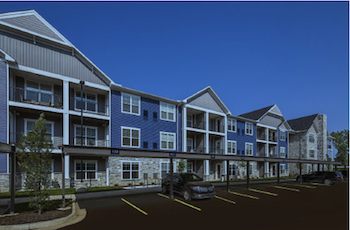
Organizations, nonprofits, developers, and school personnel are working to address the teacher housing shortage head-on. A group of local Northern Michigan schools have banded together to form an educational consortium to address the issue and create a model of future educator housing developments near Traverse City.
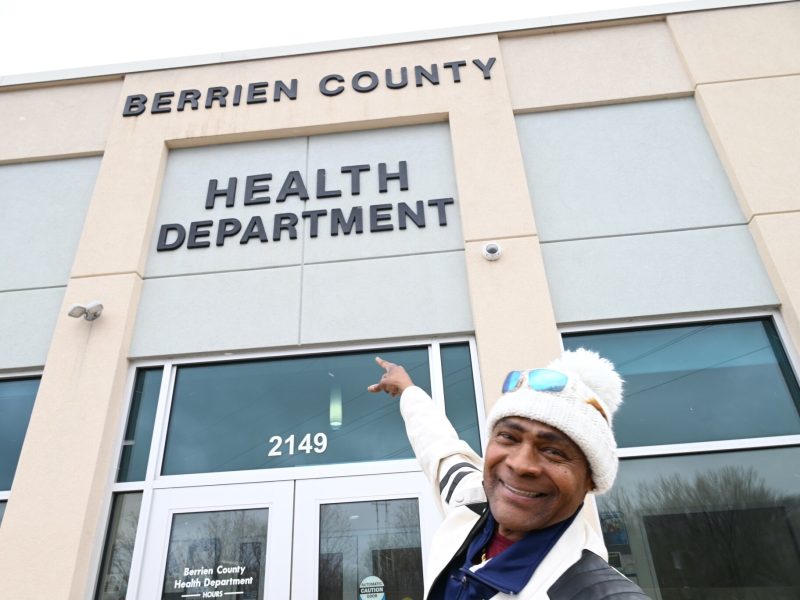
Community health workers perform essential roles in delivering physical and mental health care and increasing health care access for Michigan residents.
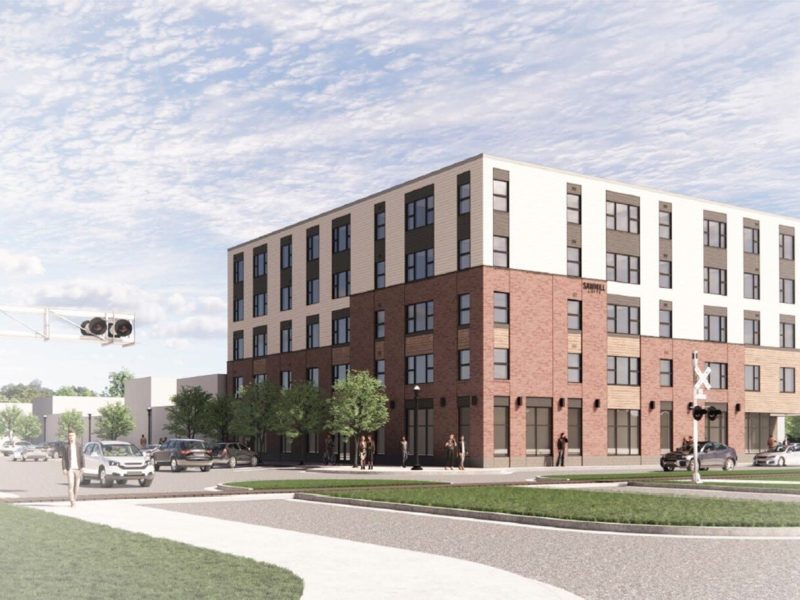
As part of the Make it in Michigan Strategy, the state of Michigan has new finance tools and opportunities to convert vacant land into housing via the Transformational Brownfield Fund and tax increment funding. The State Land Bank Authority and Michigan Community Capital are working with state, local, and federal organizations to develop attainable workforce housing in their communities.
Our Partners