Bay County reduces adult guardianships by 45%, expands guardianship diversion efforts under new program
Since 2024, government officials and community advocates in Bay County have been developing a new model to ensure that all other potential solutions are exhausted before an adult guardianship is granted.
This article is part of State of Health, a series about how Michigan communities are rising to address health challenges. It is made possible with funding from the Michigan Health Endowment Fund.
While court-appointed guardianship is designed to protect people who are unable to make their own decisions, the system isn’t perfect. Court-appointed guardians have been prosecuted for taking advantage of their older adult wards, and in other cases a guardianship is simply a step too far for an adult ward who only needs short-term help. Since 2024, government officials and community advocates in Bay County have been developing a new model to ensure that all other potential solutions are exhausted before an adult guardianship is granted.
Their work began with the Michigan Guardianship Diversion Program, a pilot program led by the Michigan Elder Justice Initiative (MEJI) and funded by the Michigan Health Endowment Fund. The pilot ran in Bay, Genesee, Grand Traverse, and Muskegon counties in 2024 and 2025. MEJI staff worked directly with county court staff and guardianship petitioners to assess each potential guardianship individually, determining whether social services or other alternatives to guardianship were feasible. Their work was particularly effective in Bay County, where 45% fewer guardianships were granted over the pilot period.
Now, the Bay County Department on Aging is expanding upon that work with a new two-year program, also funded by the Michigan Health Endowment Fund. The Bay County Guardianship Diversion Project will engage a lawyer and a social worker to assess adult guardianship petitions as the MEJI pilot did, connecting people to legal alternatives to guardianship and community support as appropriate. Beth Eurich, director of the Bay County Department on Aging, says the project will devote “more time and attention” to “triage the situation and problem-solve in a person-centered way.”
“What we’re trying to do is make sure that the person is protected,” she says. “We know and understand that guardianship and conservatorship at times is very needed. And we understand that we’re not looking to get rid of every single guardianship and never have a guardianship ever again. What we’re trying to do is protect the 60-year-old-and-better population from getting taken advantage of by other people and giving up their rights.”
Alternatives to guardianship
There are a variety of scenarios that may lead someone to petition for guardianship – and a vast array of alternatives short of guardianship that may help address their would-be ward’s needs. Judge Jan Miner, Bay County’s presiding probate judge, says the crucial factor is “taking the time and the care to speak with our elders that may be facing some of these really frightening things as they get older.”
“I call it ‘practicing the pause,'” she says. “That’s not my phrase. I’ve taken it from someplace. But it’s basically pausing to see, ‘Hey, is there an alternative here? Is there something different that we can do? Can we bring in other community resources to see how we can help some of our people that are in need?'”
Miner and Eurich say those community resources may include mental health services, help with household chores, home-delivered meals, in-home health care, respite care for caregivers, financial management assistance, and many others. These services can make all the difference for an older adult who might otherwise be appointed a guardian, forestalling a major loss of autonomy.
These resources may also be a welcome relief to the person petitioning for guardianship. While some guardians actively seek to exploit their wards, others are simply trying to do their best for an important person in their lives. Laura Kubit is the director of the Bay County Guardianship Diversion Project, before which she was a staff attorney at MEJI and co-coordinator for the Michigan Guardianship Diversion Program. She says many people petitioning for guardianship are “like deer in the headlights” because “some well-meaning professional out there in the world suggested that they go to the probate court to get a guardianship over Mom because Mom needs help.”
“I like to think about accessibility or disabilities,” Kubit says. “If somebody became blind all of a sudden and they have to adjust to that disability, … we think, ‘Oh, well, that’s a difficult adjustment, but certainly they’re capable of living as an adult.’ You know, we’re not going to put them in a nursing home and strip away all their independence. … It’s not a light switch. It’s not on and off, where you have capacity one moment and then you don’t. And we could just do a lot better in kind of fleshing out this area where we could all do better as professionals.”
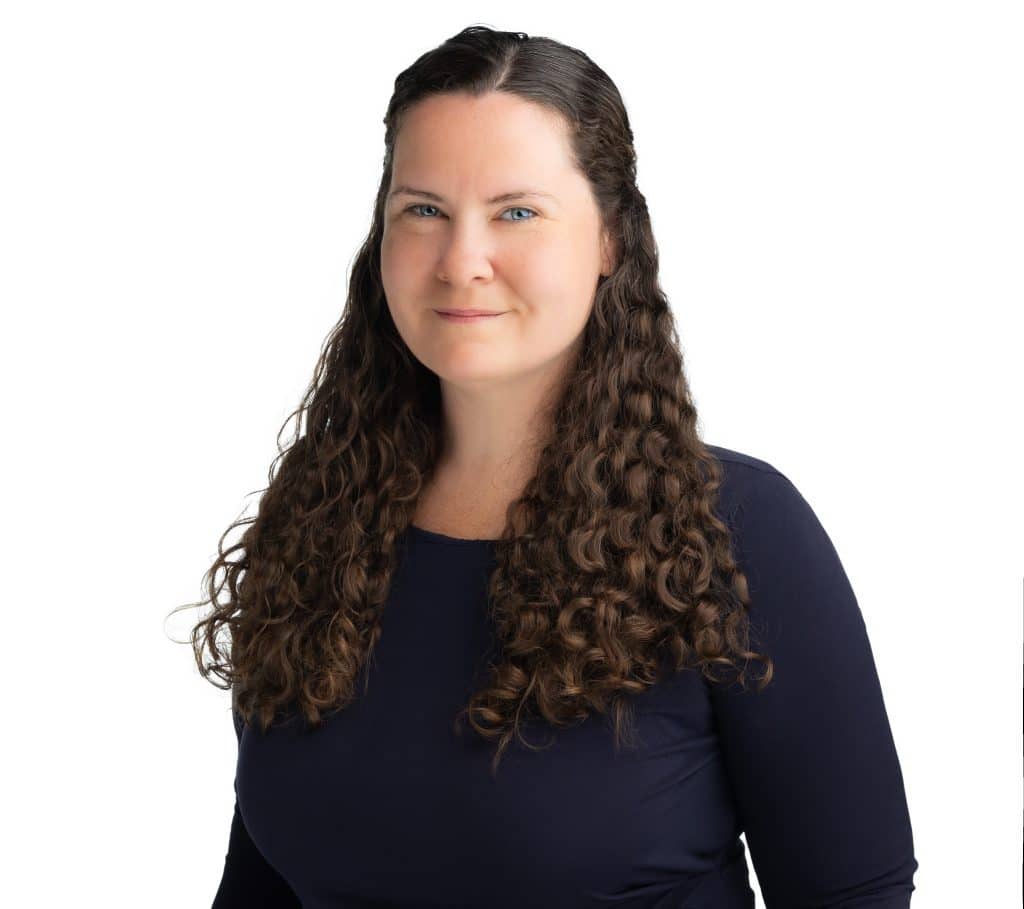
Kubit says the Michigan Guardianship Diversion Program worked “particularly well” in Bay County due to the relationships she’d built over years living in Bay City, as well as the county’s moderate case volume. Miner was pleased with the results as well, noting that she referred “almost every single one” of the guardianship petitions she received during the pilot period to the program.
“[Kubit] was a key factor to this,” she says. “… She is excellent at working with this population, building trust, knowing the alternatives, educating me, [and] educating our attorneys and our community.”
Creating a new model for guardianship diversion
As the Michigan Guardianship Diversion Program flows into the new Bay County Guardianship Diversion Project, Kubit says the biggest change will be a new effort to build a sustainable, regional model for guardianship diversion. She, Eurich, and Miner hope to see their work replicated in other communities across Michigan. Eurich hopes to see the eventual formation of a multi-county advisory committee on guardianship diversion, and to secure funding for programs like the Bay County Guardianship Diversion Project in either the state or federal budget. To accomplish those goals, project organizers will emphasize community outreach over the next two years.
“I plan to do a whole lot of engagement and I’ll speak to anybody that will have me,” Kubit says.
Kubit recently gave a presentation on guardianship diversion to the Disability Network of Mid-Michigan. She also plans to present to the Michigan Guardianship Association, and to co-present to the Michigan Probate Judges Association with Miner, later this year. She says she’s hopeful that Bay County’s successes will prove inspirational and effective in other communities.
“When you actually have some momentum, and you have some real collaboration, and you have a little bit of space to do that work in, you feel very optimistic that it can make a difference and that we can really make lasting change in a way that is a win-win for everybody,” she says. “… I truly believe that this work has great impact on the individual people that are affected by guardianship, and they’re getting the services they need and living happier, more independent lives.”
Author

Related Articles
This toolkit is helping to address gaps in youth sexual health care
New online resource provides evidence-based sexual health guidance for youth, families, and clinicians, aiming to reduce misinformation and barriers.

When everyone is welcome: How Michigan’s CCBHCs are changing care
CCBHCs have been improving access to quality mental health care for Michigan residents since 2021.

How Instagram addictiveness lawsuit could hold Big Tech liable
For decades, Section 230 shielded technology companies from liability for content that their users post. The K.G.M. litigation uses a different legal strategy: negligence-based product liability.