ECIC guides Michigan’s early childhood strategy
ECIC works with public agencies, community partners, philanthropy, and providers to ensure every child has a foundation for lifelong success.
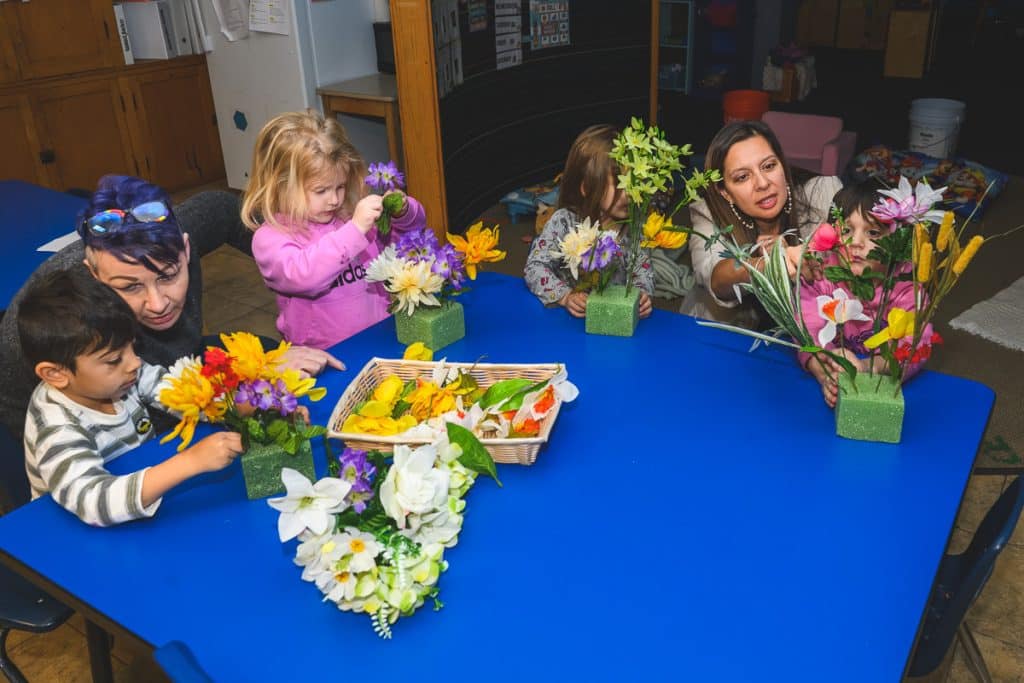
Michigan is at a pivotal moment for early childhood education. At the center of this work, the Early Childhood Investment Corporation (ECIC) guides statewide strategy to ensure every child has the foundation for lifelong success.
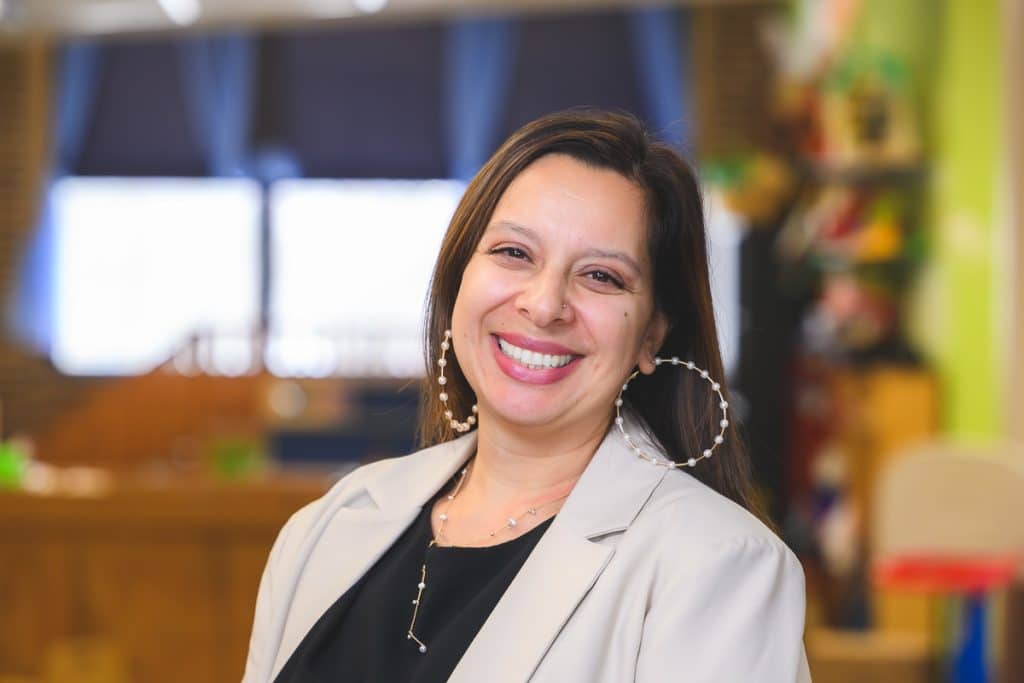
The state’s hub for early childhood coordination and innovation, ECIC works with public agencies, community partners, philanthropic organizations, and education providers. The organization is doubling down on aligning policy with the real needs of children, families, and the early childhood workforce. Alicia Guevara, ECIC’s CEO, spoke with Early Education Matters about its vision for Michigan’s early childhood future. This interview has been condensed for length and clarity.
Q. How is ECIC working to strengthen Michigan’s early childhood education system?
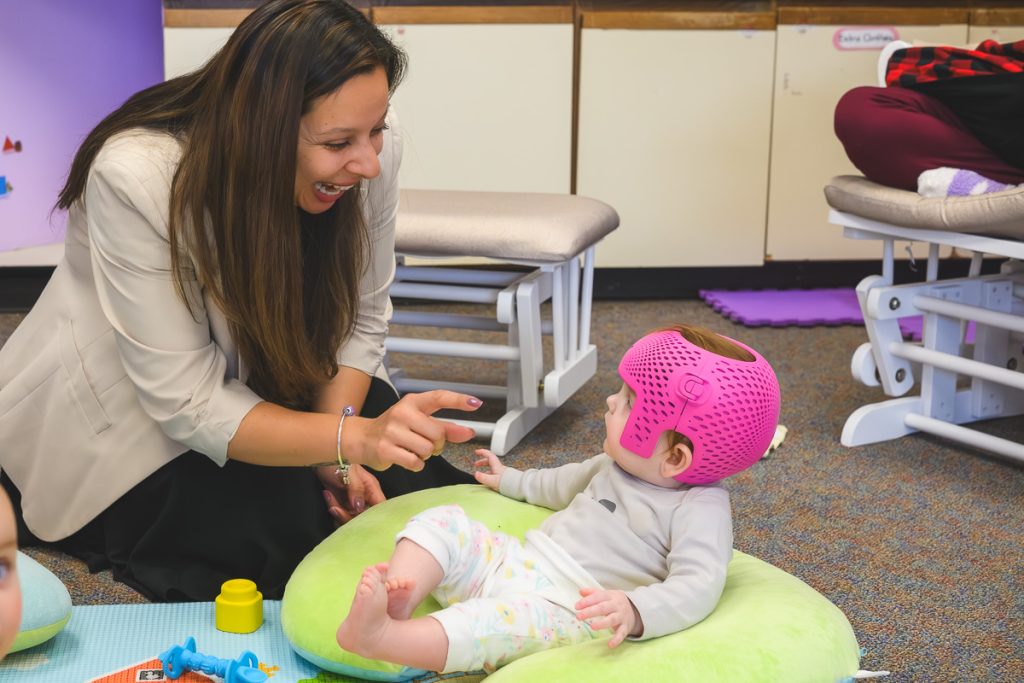
A. Michigan made a historic $1.4 billion investment in child care in 2021 that allowed the state to begin building a stronger early care and education foundation. That investment allowed for different things to be tested … whether it made sense to continue building on those initiatives. One of those projects was the infant-toddler quality improvement project, which piloted infant-toddler contracts to expand access to care. We saw remarkable results, including increased access for families and the ability to recruit and retain more infant-toddler teachers, which is critical both for supply and quality and for reducing turnover so young children have the consistency they need.
The Michigan Department of Lifelong Education, Advancement, and Potential (MiLEAP) was created, elevating early care and education as one of the department’s top priorities and helping sustain progress made under the investment.
Another area where we saw progress was the state’s child care subsidy, now renamed the Child Development and Care (CDC) Program to reduce stigma and improve families’ desire to enroll. Eligibility increased to 200% of the federal poverty level, reimbursement rates increased, and [parents are no longer required to help collect] child support.
We’ve continued work around [provider] compensation through a new pilot built on regional child care coalitions as well as family child care networks that support home-based providers, including licensed and license-exempt providers. These networks have helped provide resources, increase quality, decrease isolation, and better recognize the diversity of care across the state, including work focused on immigrant, Spanish-speaking, and refugee communities.
Q. What policy priorities are at the top of your agenda right now?
A. Looking ahead, ECIC’s policy priorities include establishing a dedicated early childhood fund, expanding access to infant and toddler care, increasing compensation for the workforce, and investing in renovation and construction of facilities. We’re working collaboratively through the Think Babies Michigan coalition to ensure the fund is comprehensive.
Another priority is increasing child care scholarship reimbursement rates. Higher reimbursement rates are critical to helping providers meet the true cost of care, especially as Michigan’s minimum wage increases in 2026, and to stabilizing businesses that often operate on very thin margins. We are also focused on stabilizing and growing the birth-to-five continuum and expanding access to fair and competitive wages for the workforce.

Q. What areas still need policy attention?
A. The state is overly reliant on federal dollars to support child care and early care and education. While recognizing that the ask is difficult given limited revenue, we need increased ongoing funding and a sustainable state revenue source rather than relying primarily on federal dollars. A sustainable funding source to support compensation and subsidy reimbursement rate increases is still a major gap.
Another critical area, we have to invest in infant and toddler care if we want to see a strong early care and education continuum from birth to five. If Pre-K for All is going to be successful, we also need to invest in those earliest years so families get what they need before children enter pre-k, helping to build a strong foundation from prenatal to age three.

Q. What lessons do you believe Michigan can learn from other national models?
A. States that have made the most progress have made early childhood a dedicated department or office led by a cabinet-level position within the executive office. This governance structure provides focused, consolidated, and coordinated state-level leadership for early childhood, which is incredibly important. These states have also committed dedicated funding structures.
Successful states have approached early childhood expansion as an investment in critical infrastructure necessary for families to participate in the broader workforce. When child care isn’t working, nobody is working. Child care must be viewed as an economic development strategy and tool, especially as states work to attract and grow local economies.
Q. How is ECIC incorporating national best practices into Michigan’s current early childhood policy strategy?
A. ECIC continues to advocate for a dedicated early childhood fund to expand and preserve needed investments, particularly around provider compensation, while balancing affordability for families. We are also pushing for more stable and predictable payment practices, including the use of contracts, prospective payments, and higher child care scholarship reimbursement rates tied to the true cost of care. A policy proposal we support would automatically adjust reimbursement rates with cost-of-living increases.
All of this work is done in partnership with families, providers, community leaders, and through structures like the Think Babies Michigan coalition. Michigan has been a national leader in incorporating parent voice and leadership into the early childhood system. It is critical that family voice continues to be uplifted and meaningfully integrated so the system reflects families’ needs and experiences.
Q. What barriers continue to hinder progress, whether related to funding mechanisms, workforce challenges, or policy coordination across state agencies?
A. The biggest barrier continues to be revenue and the lack of a dedicated funding source. A recent budget example highlights this challenge. While early proposals included tens of millions for child care, only $3.5 million ultimately remained. A dedicated fund would allow for more strategic investment and system-building.
Workforce challenges are another major barrier. We cannot provide care without a workforce, which means addressing recruitment, retention, competitive wages, reimbursement rates, and support for small businesses. ECIC is working with partners on apprenticeship programs and credential pathways, including an infant-toddler credential program, to expand and stabilize the workforce and better recognize the value of early educators’ work.

Q. How does ECIC approach collaboration to move policy and implementation forward?
ECIC is uniquely positioned to facilitate collaboration, often described as having one foot in and one foot outside of state government. We work closely with MiLEAP and the Michigan Department of Health and Human Services, allowing us to engage in strategy and implementation while also staying connected to communities.
We work with more than 45 local partners, providing funding, technical assistance, and policy and advocacy support. Family leadership is embedded in all of ECIC’s work through the National Center for Family and Parent Leadership. This allows us to work alongside families, understand their experiences, and ensure the early childhood system being built is responsive to their needs. That work depends heavily on coordination across sectors.
Photos by Doug Coombe
Early Education Matters shares how Michigan parents, child care providers, and early childhood educators are working together to create more early education opportunities for all little Michiganders. It is made possible with funding from the W.K. Kellogg Foundation.
Author

Related Articles

The early childhood models in other states inspiring Michigan policy advocates
Michigan is making meaningful strides to advance early childhood education but could make even more by looking to other states’ models.
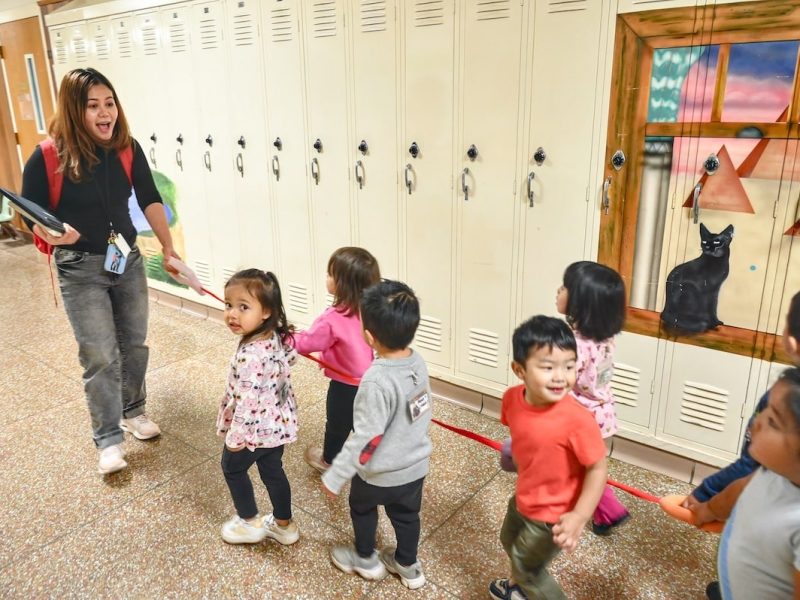
Calhoun ကောင်တီရှိပထမမျိုးဆက် မြန်မာကလေးများ၏ “Catching the Dream”
Catching the Dream Learning Center သင်ယူရေးစင်တာသည် Calhoun ကောင်တီတွင် ပထမဆုံး မြန်မာဘာသာစကားဖြင့် သင်ကြား ပို့ချမှုကိုပေးသော မူကြိုကလေးများအစီအစဉ်ဖြစ်ပြီး လွန်ခဲ့သည့်ဆယ်စုနှစ်အတွင်း မြန်မာ ဒုက္ခသည်နှင့် ရွှေ့ပြောင်းနေထိုင်သူ ထောင်ပေါင်းများစွာ ဤဒေသတွင် အခြေချနေ ထိုင်ခဲ့ ကြသည့်နေရာ ဖြစ်သည်။ ရပ်ရွာခေါင်းဆောင်များနှင့် ဒေသခံအဖွဲ့အစည်းများ၏ လက်ရှိခန့် မှန်းချက် အရ Battle Creek နှင့် Springfield ဒေသတွင် မြန်မာလူဦးရေ စုစုပေါင်း ၃၀၀၀ ခန့်ရှိမည် ဖြစ်ပါသည်။
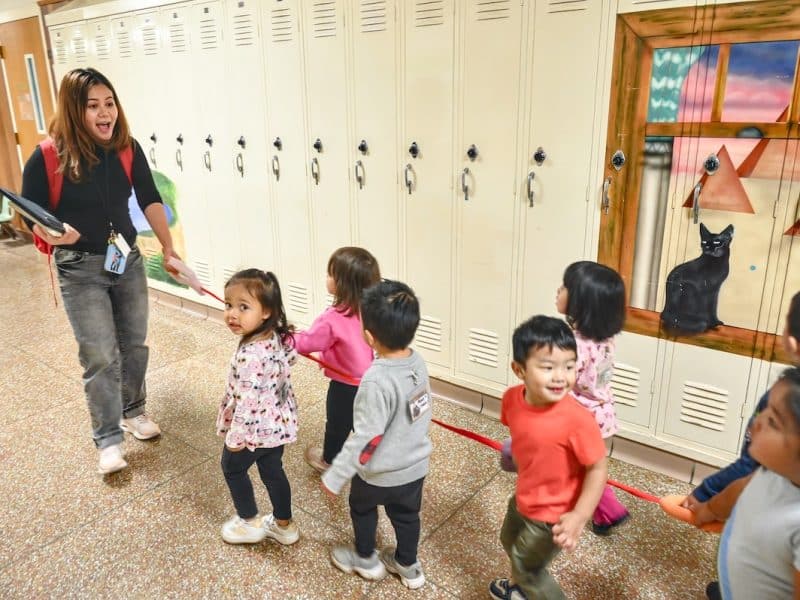
First generation Burmese children “Catching the Dream” in Calhoun County
Early learning center reflects children’s home languages, cultural practices, and supports first-generation families.