ACT helps adults living with serious mental illness maintain independence and community
ACT’s goal is to help those living with serious mental illness to live as independently as possible — and to achieve the same aspirations most everyone seeks.
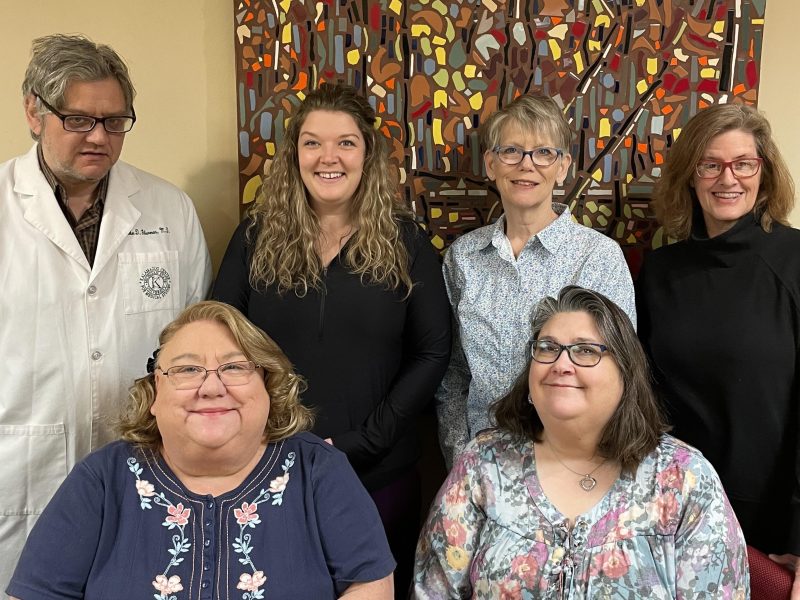
ACT’s goal is to help those living with serious mental illness to live as independently as possible — and to achieve the same aspirations most everyone seeks.
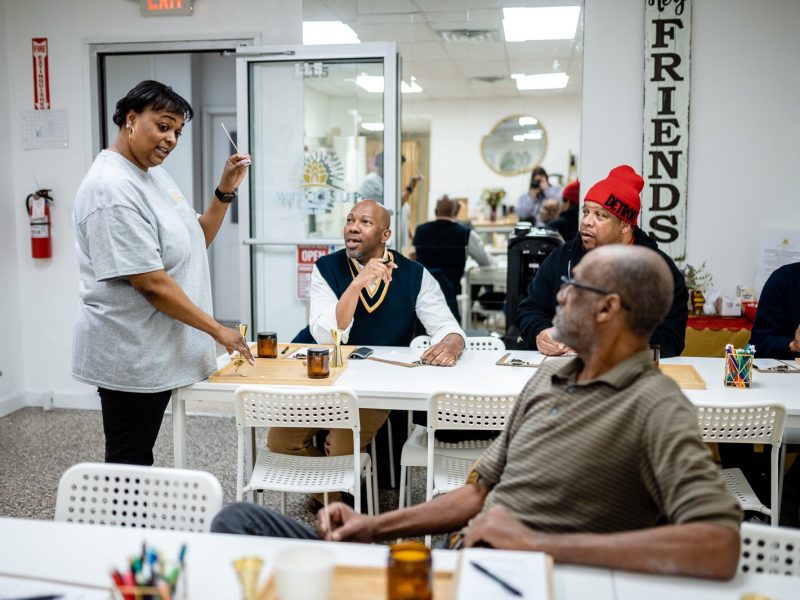
Seventy-five Detroit- and Lansing-area residents have benefited from a pilot program called Food and Friendship Connections, which offers meals, transportation, and community for older adults living with HIV.

Mental Health First Aid prepares people to assist somebody who's experiencing a mental health crisis or beginning to experience signs and symptoms of a mental health challenge.
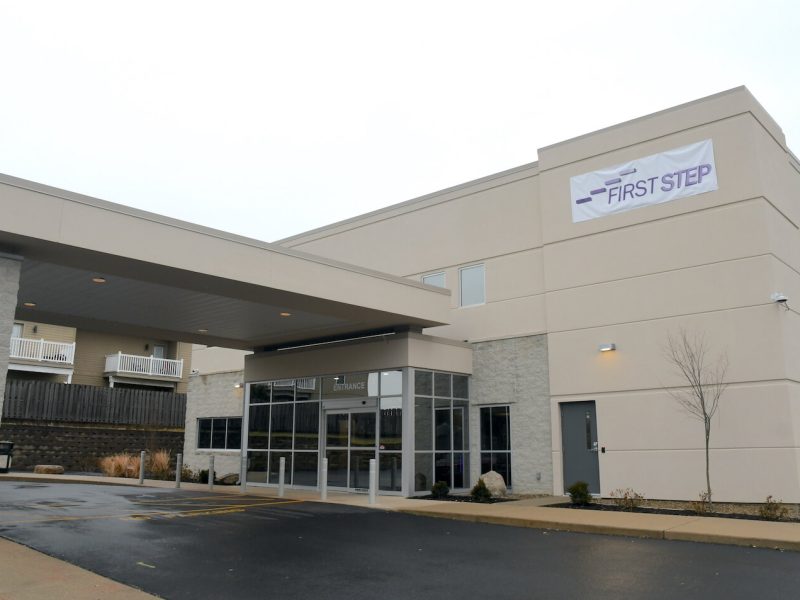
First Step Psychiatric Urgent Care Center provides services when people need them most. The 24/7 facility treats patients of all ages, irrespective of insurance.

Support networks for breastfeeding parents are helping more little Michiganders get their best start in life.

As awareness about how policing and mental health intersect grows across the state, more Michigan counties are involving community mental health agencies in law enforcement response and diverting people who are simply experiencing symptoms of mental illness from jail.

The youth-led, eastside Detroit organization, Detroit Heals Detroit, opened a healing hub for youth who have experienced trauma. It’s a safe environment to process the stressors young people of color face, with programming designed by youth and for youth.
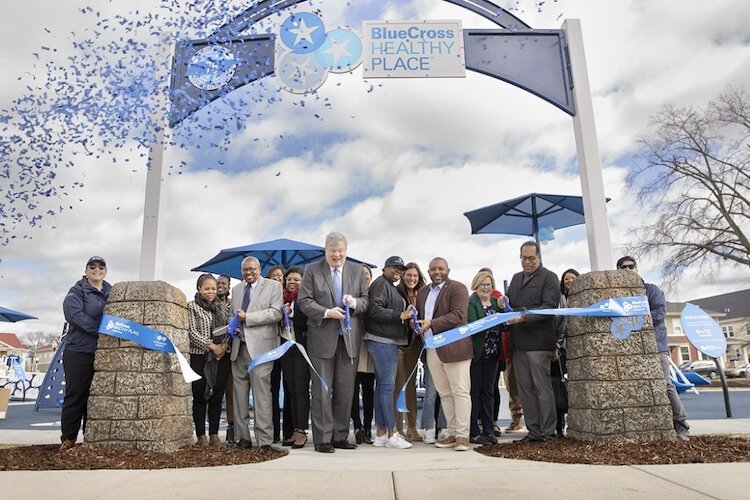
“We’re proud to boast strong alliances with our community partners, such as the BlueCross Foundation, who have strengthened our efforts to better serve our residents,” said Dexter Washington, CEO of the Memphis Housing Authority. “The resources that partners contribute, coupled with the affordable housing we provide, empower our people and communities.”

The program's goal is to identify and address the social determinant of health needs that create barriers for women with opioid use disorder.
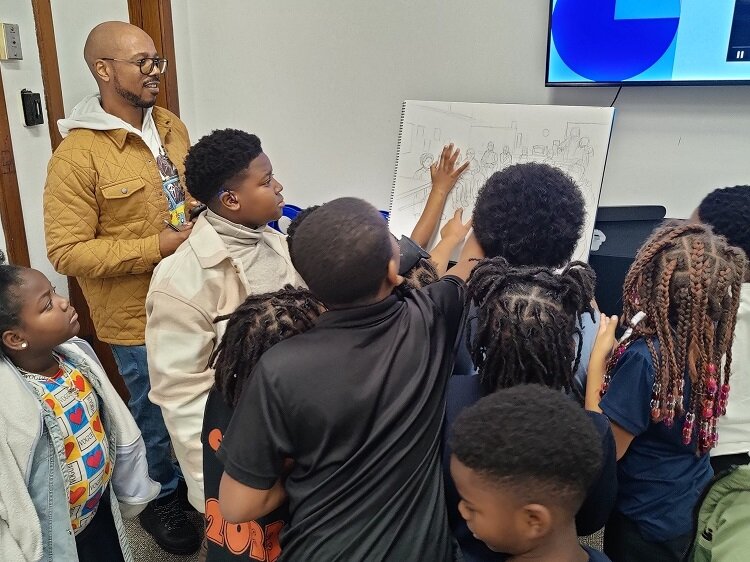
Model D spent time with youth from three different Detroit neighborhoods, listening to what they love about their communities and what they hope to change, capturing their words in insightful sketches. Now, our youngest residents will get a chance to report to you.
Our Partners