Leadership program helps dental directors improve care in underserved communities
Program supports dental leaders in Ohio, Michigan, and Indiana with skills to manage clinics, improve care, and advocate for underserved patients.
This story is part of a series on the challenges and solutions related to oral health in Michigan, Indiana, and Ohio. It is made possible with funding support from the Delta Dental Foundation.
Dr. Lisenia Collazo was in her first year as a dental director when she discovered a program that would help guide her path forward.
“That’s kind of what gave me the confidence to apply for the position, because I knew that I would be able to do that program,” she says.
The National Network for Oral Health Access runs the Oral Health Leadership Institute, called NOHLI. The program focuses on a key challenge in community health care: helping dental professionals learn how to lead clinics and speak up for patients who may not have easy access to care.
The year-long program trains dental directors and hygienists who work in health centers, where resources can be limited and patient needs are high.
Participants learn clinical skills, as well as how to manage budgets, write policies, and communicate with leadership – topics that are not often taught in dental school.
Filling knowledge gaps
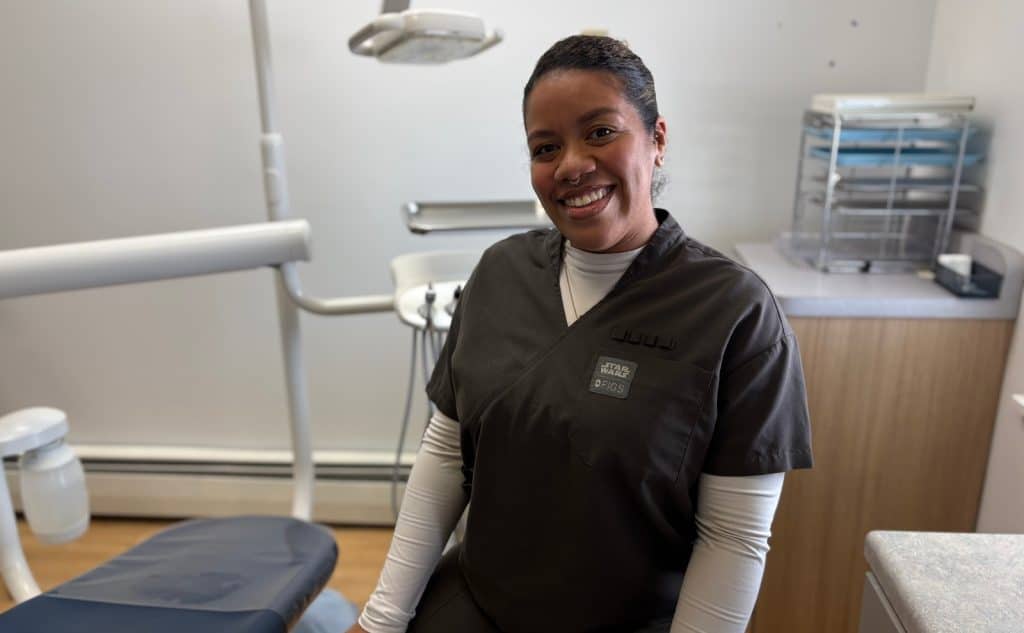
Collazo, a dental director at a rural health center in Gwinn, Michigan, near Marquette in the Upper Peninsula, entered the program at a pivotal moment. She had recently stepped into a leadership role and was looking for guidance.
“The entire training was helpful,” she says. “But in particular, it was having access to people in leadership positions and their resources.”
That access led to real changes. Collazo says she used what she learned to improve how her dental program runs, including creating a standard manual to guide staff at different locations.
“I was able to utilize a lot of the resources that were provided to us in order to finally complete that manual,” she says. “It’s helped to standardize protocols throughout each site and make sure that we’re providing care to our best ability.”
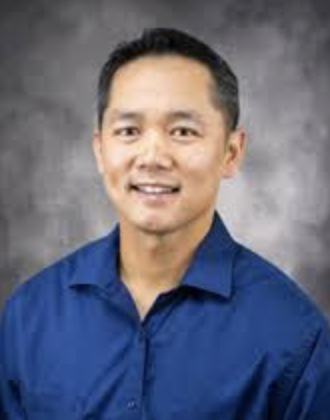
Dr. Jason Hua, a dental director at the Jane Pauley Community Health Center in Indianapolis, says he started the program, like others, feeling unsure of himself.
“Prior to NOHLI, I had never worked in a FQHC (Federally Qualified Health Center) setting, let alone served as the dental director,” he says. “During my first three or four months in the role, I often felt overwhelmed.”
While confident in his clinical skills, Hua says he lacked experience with the operational side of running a safety-net dental program.
“I was unfamiliar with key operational components such as sliding fee scales, co-pays, and UDS requirements,” he says.
He says encouragement from another dental director who had completed the program helped push him to apply.
“My motivation to apply came from a desire for guidance and growth,” Hua says. “At the time, I felt like I was struggling to stay afloat, and hoped NOHLI would provide the knowledge, support, and direction I needed to succeed in my role.”
Handling new responsibilities
Health centers serve millions of patients each year, many of whom rely on them as their primary source of dental care. Running a dental program within a broader medical system can be challenging.
Dental directors must balance patient care with administrative demands, staffing shortages, and financial constraints, often while explaining the unique needs of dentistry to leaders without a dental background.
NOHLI addresses that challenge by focusing on leadership development. Participants complete modules on financial planning, including how to build and manage budgets and interpret financial documents such as pro formas. They also learn how to advocate for resources.
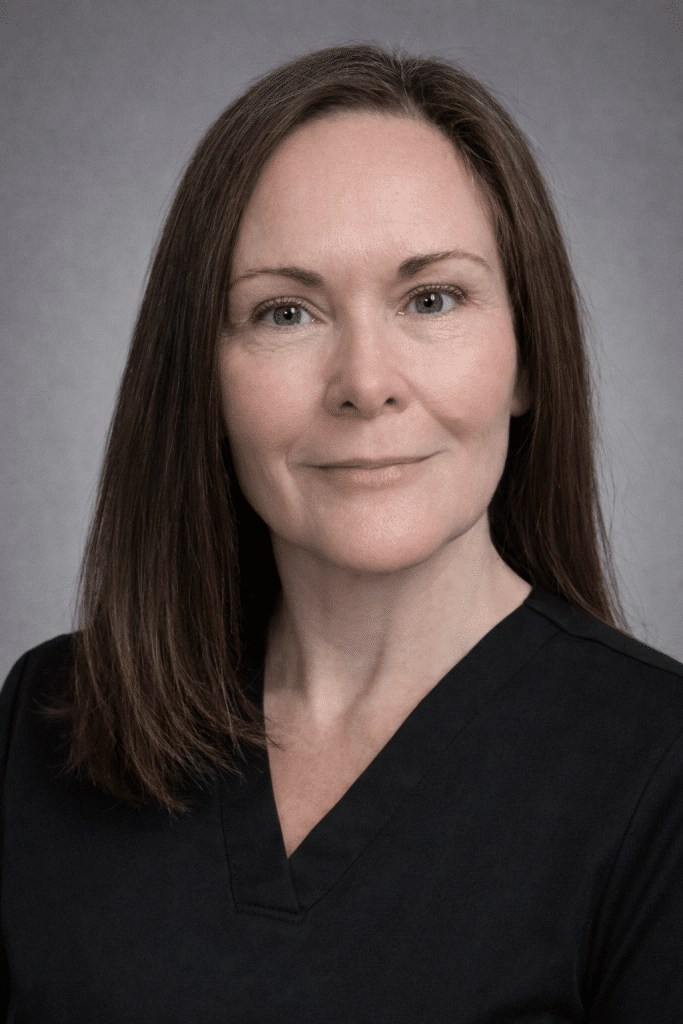
“A lot of times you’re talking to people who don’t really have a dental background,” says Sarah Williams, a NOHLI graduate and a dental hygienist who spent more than two decades in a health center before moving into education. “We got good information on how to speak to leadership about changes you need or new equipment.”
Williams says the program helped fill gaps left by traditional clinical training.
“It’s an excellent program. I’d recommend it for anyone who’s in a role like I was,” she says. “I came away with a lot of new knowledge.”
Mutual support system
One of Hua’s key takeaways was realizing he was not alone.
“One of the most valuable lessons I learned was that I was not alone in my challenges,” he says. “Connecting with other dental directors across the country who were experiencing similar fears and uncertainties was incredibly reassuring.”
He says the program’s strength lies in its network of peers and mentors.
“The true value of the program was the ongoing support and mentorship from faculty, program leaders, and fellow participants,” Hua says. “That sense of community and shared experience played a critical role in my growth.”
The program also includes an in-person component, where participants meet with peers and national leaders in oral health. That experience exposes them to a range of approaches used in health centers across the country.
“No two health centers are the same in the way they operate,” Williams says. “You can hear someone talk about theirs, but it doesn’t mean that’s your health center.”
That exchange of ideas is a key part of the solution, organizers say. By building a network of professionals who can share strategies and support each other, the program helps strengthen the broader safety-net system.
Understanding new roles
Participants often apply what they learn immediately. Williams says the training helped her navigate budgeting, policy writing, and communication with executive teams as she became accustomed to her relatively new leadership role.
“It better prepared me for the leadership role in the health center,” she says.
Hua says the program also changed how he views his position.
“Before NOHLI, I primarily viewed myself as a clinician and not a leader responsible for shaping and guiding a comprehensive dental program,” he says. “Now I approach challenges more proactively and with a broader, systems-level mindset.”
That shift has helped improve both patient care and team effectiveness, he says.
Collazo says the program reinforced her motivation to serve patients facing barriers to care.
“We see patients every day who face a lot of obstacles in order to receive the care that they need,” she says. “It’s very important to be part of the solution in terms of coming up with ideas to help facilitate care to those patients.”
Hua says the training also strengthened his ability to advocate for patients and programs.
“NOHLI showed me that advocacy relied on having a clear message that is supported by strong data,” he says. “Patients don’t care how much you know, until they know how much you care.”
He says the relationships built through the program continue to influence his work.
“I am proud to still call many of the individuals I met during the NOHLI training my friends and colleagues,” Hua says.
The program’s impact extends beyond administration. It also influences how participants approach patient care and workforce development. In safety-net settings, where patients often face barriers to care, the focus shifts away from profit and toward need.
“You’re there because patients need treatment,” Williams says. “Not because you’re selling something.”
That perspective can influence how future dental professionals are trained. Now a clinical supervisor at Shawnee State University, Williams says she uses her experience to prepare students to be competent, well-rounded dental hygienists, and she answers questions regarding working in public health dentistry.
“I can give them examples of what life was like working in public health,” she says.
While only a small number of hygienists participate in NOHLI each year, Williams says the program is valuable for both dentists and hygienists who want to take on leadership roles.
“I would highly recommend it for any hygienist or dentist,” Williams says. “It’ll make you well prepared for the role.”
Photos courtesy of Dr. Lisenia Collazo, Dr. Jason Hua and Sarah Williams
Related Articles
How a community dance movement fuels connection, wellness and economy
Backyard Boots & Beats is not only bringing people together through line dancing—it’s creating consistent foot traffic, supporting local venues, and building an ecosystem where community-driven entrepreneurship can thrive.
Drop in opioid overdose deaths nears 50% since 2023
“We’re seeing things you would expect — like reductions in emergency department visits and reductions in Medicaid costs. But we’re also seeing a positive impact on violent crime and recidivism.