In photos: Welcome to Madison Heights
High Ground's On the Ground series is gearing up for three months of embedded coverage in Madison Heights. Take a tour of this diverse neighborhood through Ziggy Mack's keen photographic lens.
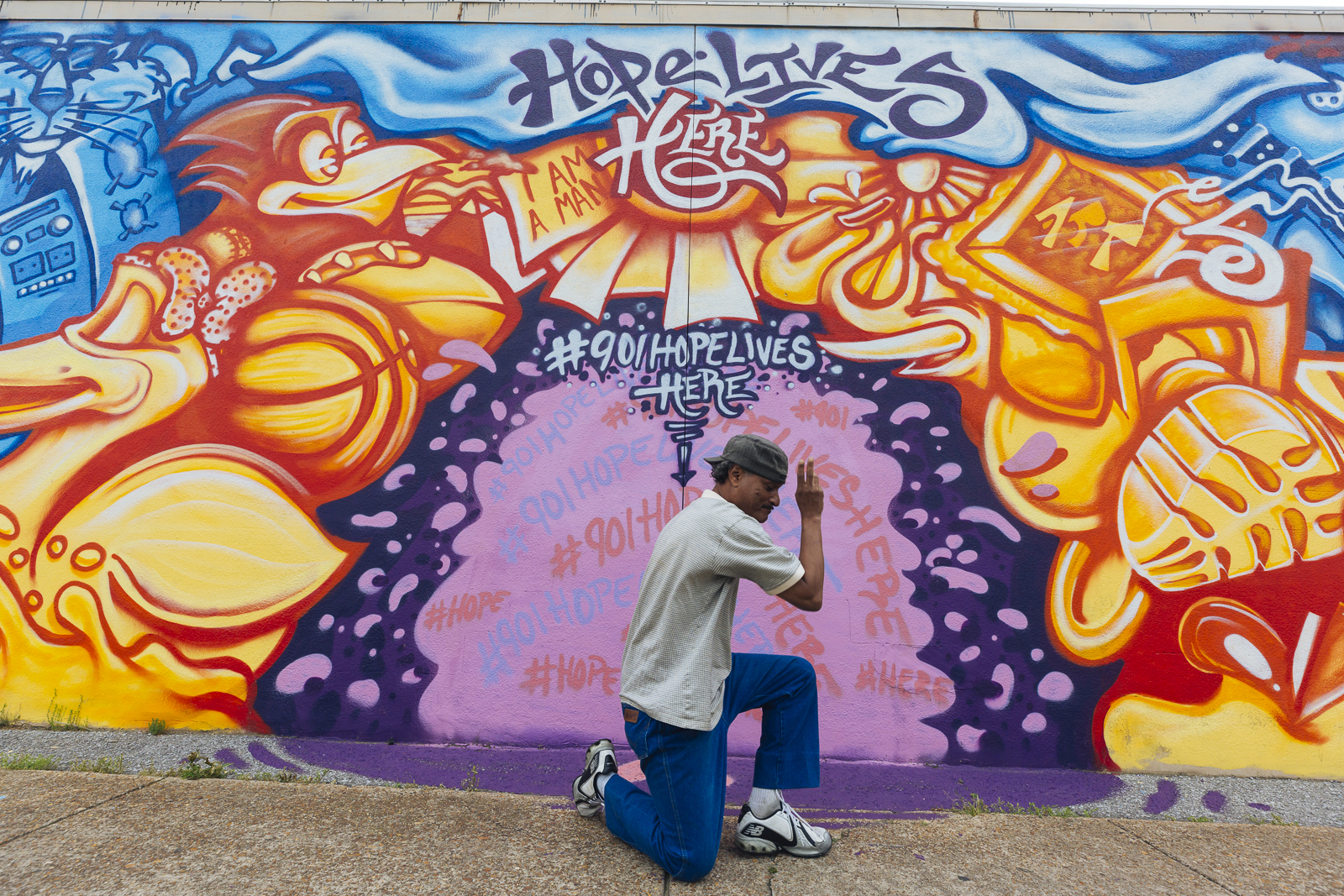
High Ground News is kicking off its On the Ground embedded neighborhood coverage in Madison Heights, a small but eclectic community in the core of the city.
For the next three months, we’ll meeting with stakeholders — residents, business owners and other community leaders — to uncover the people, places, histories and future of Madison Heights. We’ll also be working with the Creatives in Research in collaboration with the Memphis Medical District Collaborative and Wonder / Cowork / Create.
Related: “Memphis Medical District hires artists as researchers to guide development”
Madison Heights surrounds the Madison Avenue-Cleveland Street intersection. Its boundaries run roughly from McNeil Street to Interstate-240 east-west and from Poplar to Union avenues north-south. It’s one of several unique neighborhoods within the larger Medical District.
Madison Heights may be an unfamiliar name to many Memphians. The Memphis Medical District Collaborative has been working for the last two years to brand the neighborhood after community engagement activities showed residents’ desire for an unique identity separate from the nearby Crosstown, Edge and Midtown neighborhoods.
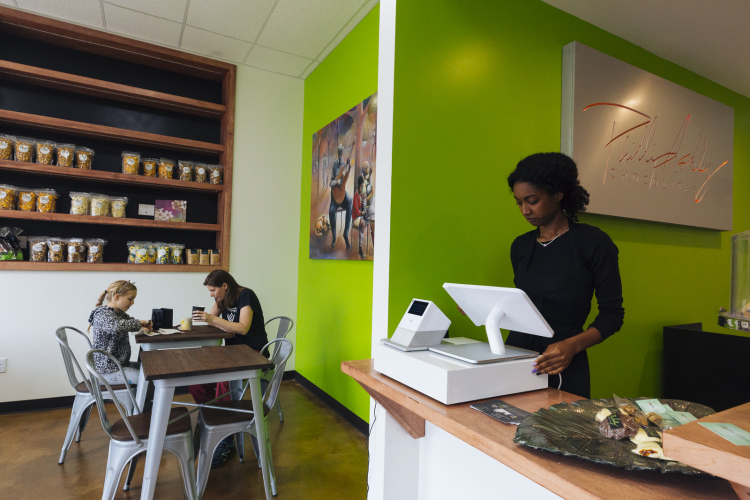
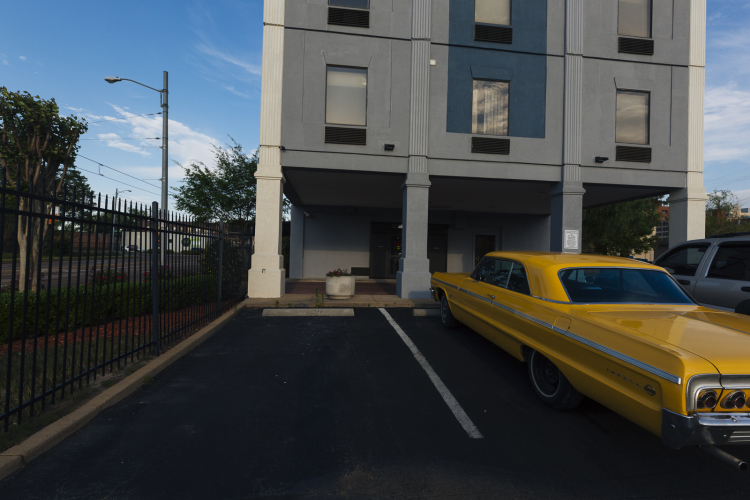
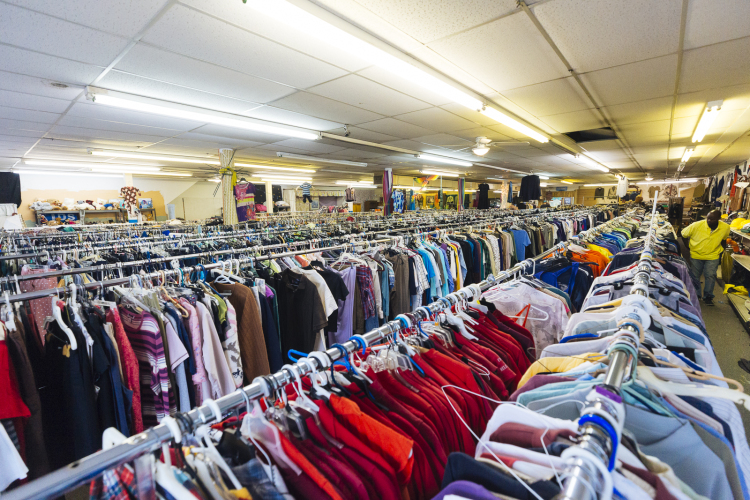
But the MMDC’s work is really more of a rebranding.
The name and the neighborhood have been around since the late 1800s. It has shifted from small, independent community to a white, middle-class Memphis neighborhood to the diverse but disinvested community evident today.
In the late 1800s, a small town called Madison Heights began to grow around the Madison Avenue and Cleveland Street intersection, but by 1899 is had been annexed by the City of Memphis and its rapid eastward expansion.
In a February 2012 “Ask-Vance” column in Memphis Magazine, historian Vance Lauderdale wrote that the area was likely called a “Heights” because it sits atop a subtle slope that would have been a substantial rise in the days of horses and buggies.
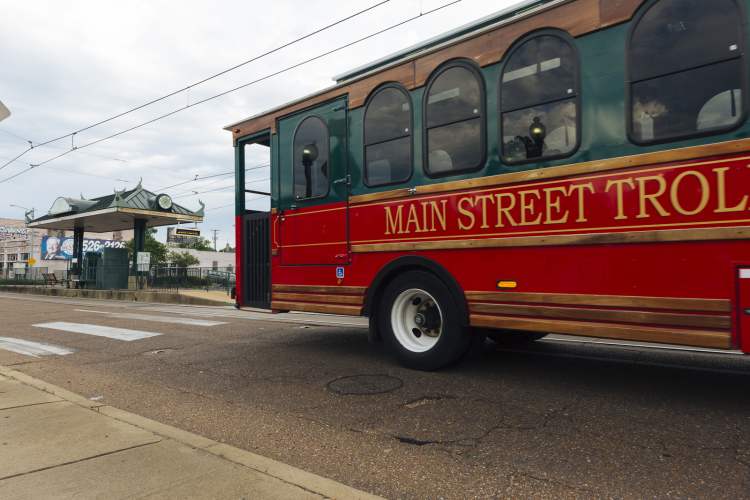
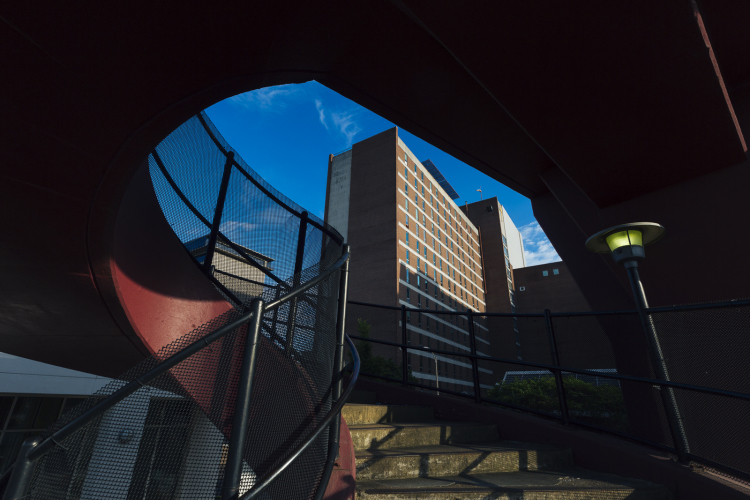
Lauderdale notes that the area’s most prominent feature in its earliest days was the red brick Madison Heights School at the southwest corner of Court Avenue and McNeil Street adjacent to the current Washington Bottoms Community Park. The auditorium was eventually repurposed by the park commission and police department for training before it was demolished for housing.
The Madison Heights Methodist Church was another early building and center of community. Constructed in 1898 at the northeast corner of Monroe Avenue and Claybrook Street, it was the site of many community events for nearly 100 years. The neighborhood’s middle-class white families who made up the church’s congregation began to leave en mass in the 1970s. A small group of parishioners stayed into the church closed in 1994. The building was destroyed by fire in 1997.
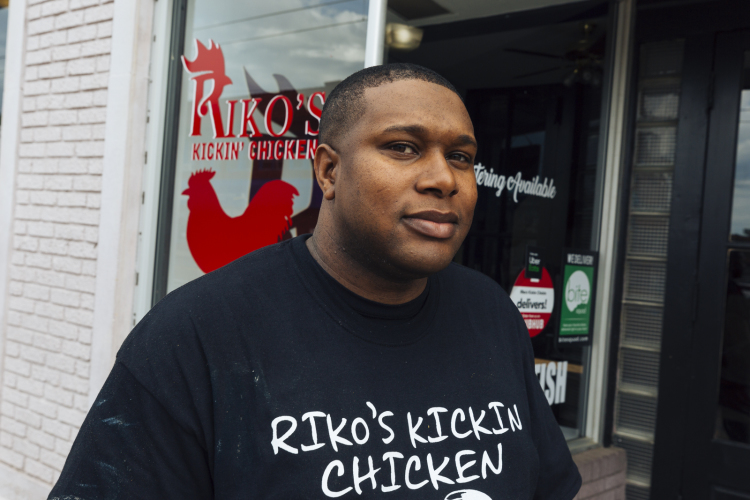
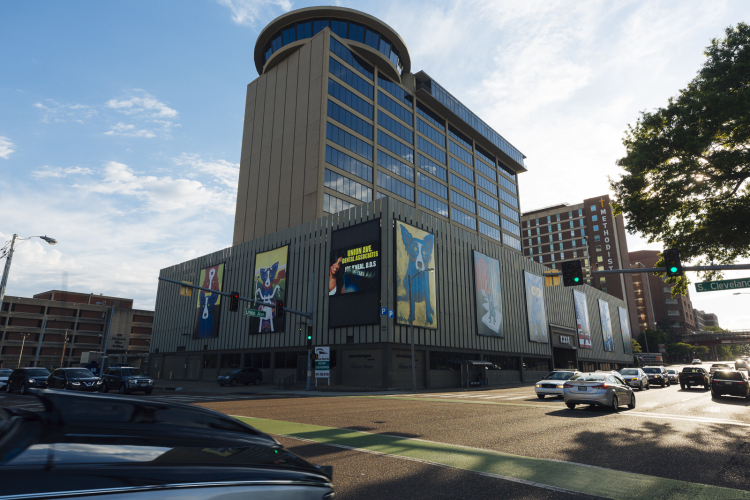
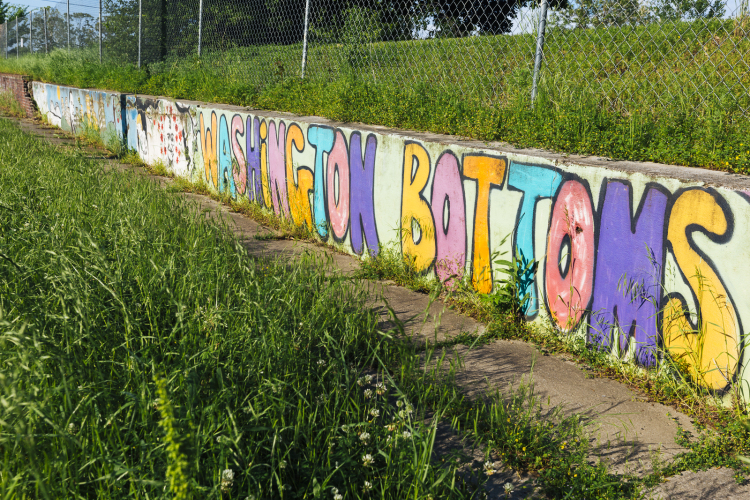
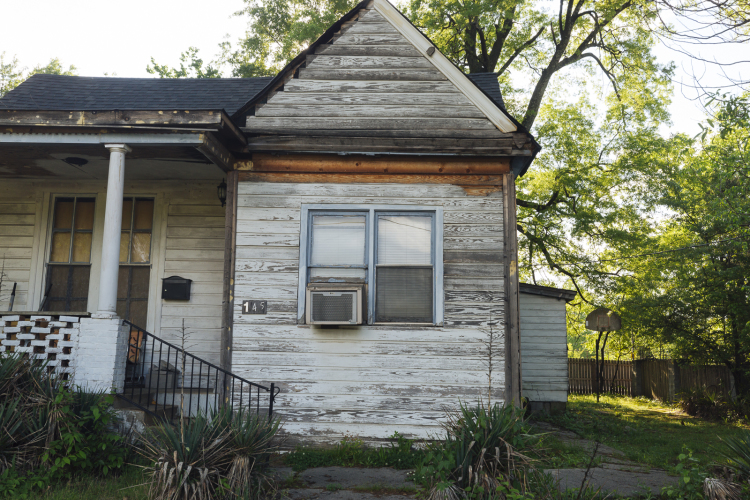
From the 1970s through the 1990s, the area saw declining investment as the middle class left and business many business on Madison, Cleveland and in nearby Crosstown followed. According to PolicyMap data gleaned from the U.S. Census, Madison Heights is now considered a persistent poverty tract. The median household income in Madison Heights is $25,688 compared to $38,230 for Memphis as a whole.
But the area also saw a great rise in cultural diversity as middle class and lower-income Black families move in and took advantage of the area’s center-city location and to access nearby retail, employers, healthcare and more. Immigrant and refugee families also put down roots in the area due in large part to Catholic Charities of West Tennessee’s resettlement program. The organization still operates at 1325 Jefferson Avenue in Madison Heights.
The neighborhood is a hub for Memphis’ Vietnamese community and is the city’s largest non-Hispanic ethnic enclave. It features Vietnamese grocers, restaurants, houses of worship and more.
Related: “From refugees to restauranteurs: Vietnam War-era immigrants make Memphis home”

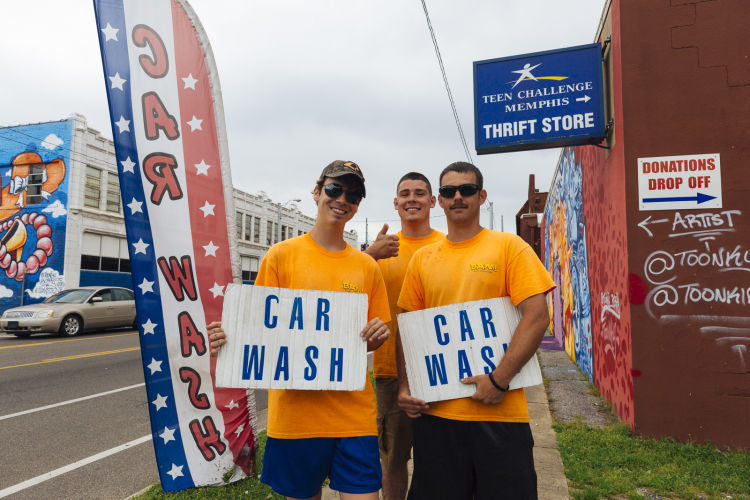
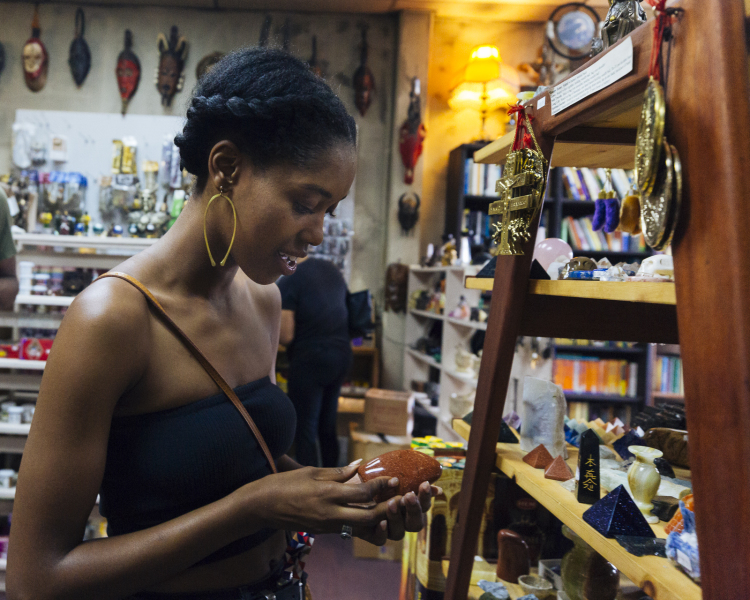
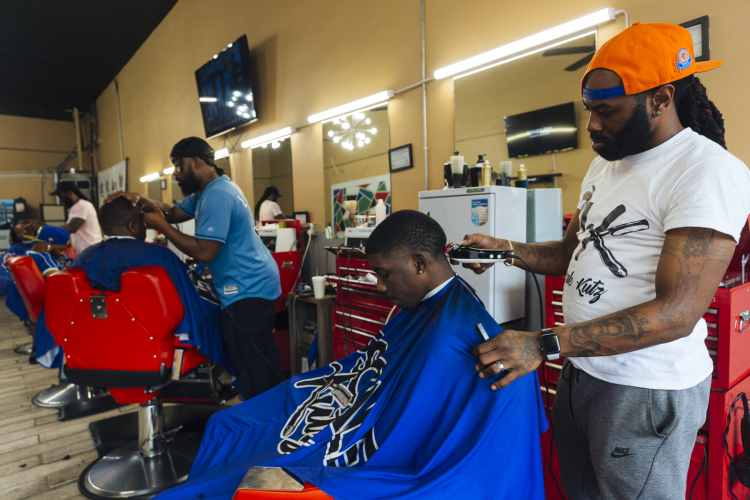
The Madison-Cleveland intersection is the center of the neighborhood and home to an eclectic mix of shops and services. There are thrift and antique stores like BAM Thrift Store and the Market on Madison. They sit in neat rows of compact storefronts with barber and beauty shops, restaurants, clothing stores and one-of-a-kind offerings like Ebbo’s Spiritual Supply House, a locally-owned hub for all things sacred and supernatural.
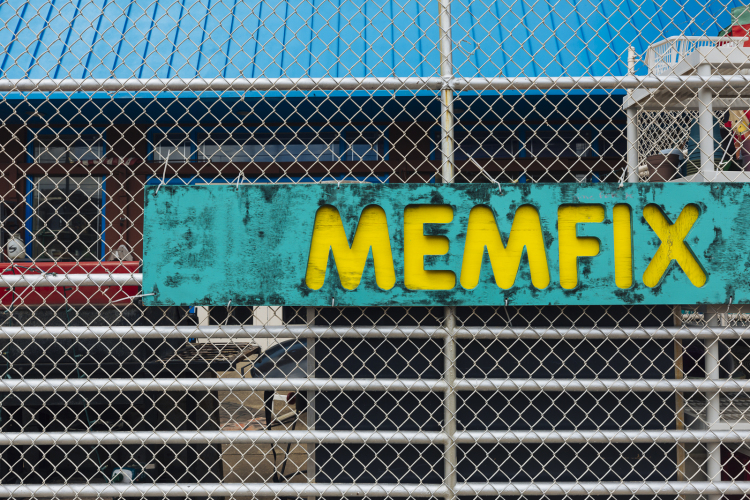
In October 2017, MEMFix hosted a one-day community-driven activation to reimagine the intersection and Madison Avenue down to Claybrook Street. Existing shops were open to customers and guests alongside pop-up venders, street food, music and more.
The event was sponsored by many neighborhood and city-wide organizations including the University of Memphis Dept of Architecture, Urban Land Institute, BLDG Memphis, MMDC, UrbanArt, Hope Credit Union and Southern College of Optometry.
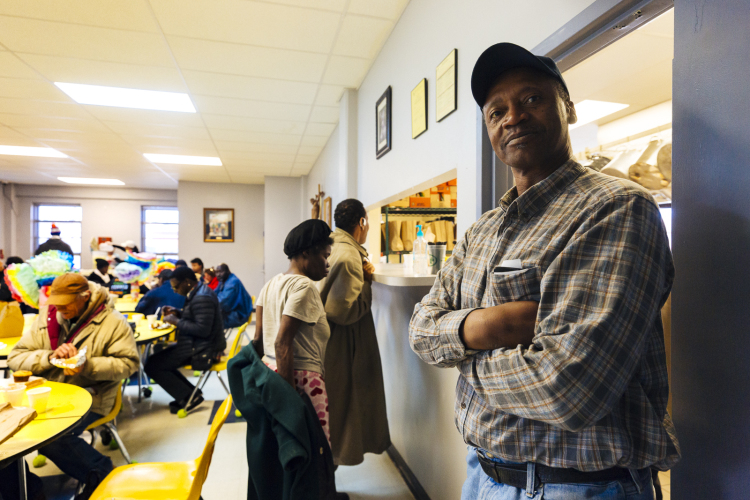
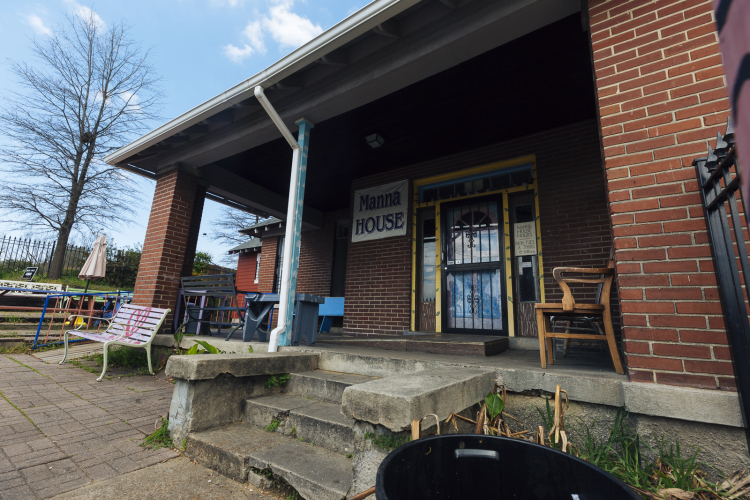
The area is also home to a number of service organizations providing food, services, supplies and shelter to people experiencing homelessness. Some of the most prominent organizations include Manna House and Catholic Charities of West Tennessee.
Washington Bottoms Park and Garden also served as an intentional community for people experiencing homelessness. They worked a communal vegetable garden and hosted community events like movie nights and cookouts until they were evicted from the land by property owner Tennessee Health Management in 2016.
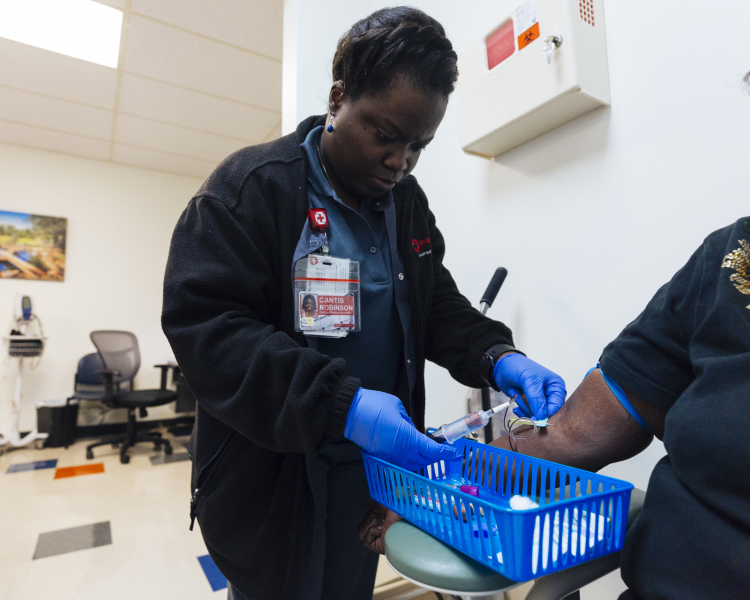
Baptist Memorial Health Care and Christ Community Health Services opened the Baptist Operation Outreach clinic March 1, which provides immunizations, behavioral health services, treatment for diseases and minor injuries and basic medications.
Related: “Newly opened health clinic provides free services to the homeless population of Memphis”
Stay tuned to our ongoing coverage at highgroundnews.com, on Facebook, Twitter and Instagram and through our On the Ground Podcast on The OAM Network, Spotify, Stitcher and iTunes.
Related Articles
Independent bookstores succeed by playing to their strengths
Despite the collapse of the big-box bookstore, local independent stores have successfully emphasized community, tactile experience, curation, and collaboration.
Downtown Utica’s Art Nook: “Super cool place making”
Art Nook connects folks to downtown businesses and showcases a colorful mural by artist Kevin Gano.
Meeting rural Michiganders’ mental health care needs
Michigan’s rural residents face different challenges when accessing mental health care than residents of urban areas. Transportation issues, loneliness, and limited group therapy options can compound their mental health needs. To address these challenges, community mental health (CMH) agencies like Sanilac County Community Mental Health innovate community-based solutions that meet their populations where they are at.