Michigan child care providers push for fair reimbursement system
Delays in licensing, PINs, or quality ratings can mean weeks without state payments for child care providers.

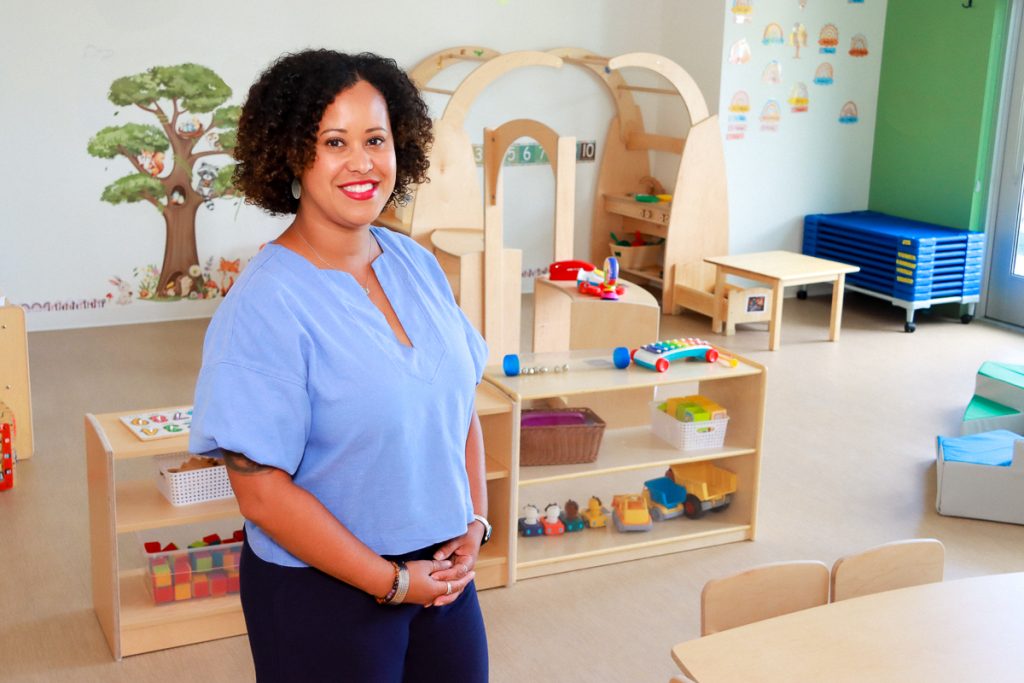
When a new early learning center opened its doors in September in Grand Rapids’ Boston Square neighborhood, the launch was meant to represent growth and opportunity. The Boston Square Early Learning Center expanded from two classrooms serving 16 children to six classrooms licensed for up to 96.
But the opening also highlighted a challenge faced by many child care providers across the state: Michigan’s Child Development and Care (CDC) program, often called the child care subsidy, helps low- and moderate-income families pay for care by reimbursing a portion of tuition directly to providers. Families typically pay the difference between the reimbursement and the center’s tuition. The amount the state pays is tied to a provider’s quality rating under Michigan’s Great Start to Quality system, with higher-rated centers receiving higher reimbursement rates.
For new providers, however, delays in receiving license numbers, PINs, or quality ratings can mean weeks without payment even while children are enrolled. Smaller centers without administrative staff often struggle with the paperwork and billing requirements.
That was the situation for Dr. Anissa Eddie, founder of Liminality Consulting and the project manager who helped guide the Grand Rapids center’s opening.
“We had families ready to enroll, but we couldn’t even start billing because we didn’t have the state provider number or PIN,” Eddie says. “We were caring for children without reimbursement set up.”

Delays with payments and rates
Families applying for or transferring their CDC scholarships were approved, but the Grand Rapids center had no PIN to access billing. Weeks went by without reimbursement, a gap Eddie says could have forced some providers to turn families away if not for the center’s philanthropic backing.
According to a 2022 Poverty Solutions report, some Michigan providers cited “long delays in receiving payments” and difficulty navigating the subsidy system’s requirements as barriers to staying in the program.
Even once billing began, the center was limited to the lowest reimbursement tier. Because the expansion required a new license number, the previous quality rating did not transfer. Until the center is evaluated for a new rating, reimbursement remains at the lowest level, leaving families to pay more out of pocket than expected.
“Some families may have to drop out of care after just a few weeks,” Eddie says. “We didn’t feel right back-billing when we couldn’t give them the information up front, so the center is covering that cost.”
The reimbursement process shapes families’ access to early child care. Some neighborhood families who helped design the new center during community planning meetings were denied the CDC scholarship entirely. Others who were approved later learned that the subsidy would not cover the full cost, leaving balances they could not afford.
“For those families, the program they helped envision wasn’t accessible,” Eddie says. “Now that we’ve been able to calculate balances, I worry some families may have to withdraw after only a few weeks of stability and routine.”
According to Eddie, Michigan’s reimbursement system also affects a center’s ability to hire and retain staff. The Boston Square Early Learning Center has committed to paying higher-than-average wages for early childhood educators and to staffing at higher ratios for programs like Early Head Start, which requires two teachers in a classroom at all times. But reimbursement delays and lower rates make those commitments precarious.
“Staff are showing signs of burnout, and we haven’t even been open a month,” Eddie says. “It’s hard to plan staffing when we don’t know the level of revenue the center will actually receive.”

Equity in access to subsidies
Because the Grand Rapids center is part of a larger nonprofit and has philanthropic support for startup costs, it has been able to weather some of these challenges. However, many smaller or home-based providers, particularly in communities with the highest need, do not have those resources.
The same Michigan subsidy review noted that many providers choose not to participate in the subsidy system at all, citing paperwork burdens and uncertainty about reimbursement as reasons.
“The capacity it takes to navigate the reimbursement system—to get it set up, follow up on errors, or even explain balances to families—is enormous,” Eddie says. “For providers operating alone or with minimal staff, that can be overwhelming.”
This can mean that communities most in need of subsidized care are also the ones where providers have the hardest time managing the process.

Steps toward reform
Michigan has made some changes in recent years to ease reimbursement pressures. Providers can now bill for absent hours, and the state has introduced prospective payments so providers know in advance what support to expect. The creation of the Michigan Department of Lifelong Education, Advancement, and Potential (MiLEAP) has also signaled a stronger state-level focus on early childhood.
Still, discussions continue around streamlining the application process, assigning provider numbers more quickly, and addressing the time it takes for new providers to earn a quality rating. Some have also called for reimbursement rates to be raised so they more closely match the cost of care.
“My hope is for stronger integration between state offices so providers aren’t stuck in the middle,” Eddie says.
For the Boston Square Early Learning Center, the early weeks have been defined by both growth and uncertainty. The center has doubled its classrooms, brought in new families, and hired staff, all while navigating a reimbursement system still catching up with its expansion.
Eddie believes that with smoother processes and clearer support, providers across Michigan could focus more on building strong classrooms and less on waiting for the next check.
Photos by Tommy Allen.
Early Education Matters shares how Michigan parents, child care providers, and early childhood educators are working together to create more early education opportunities for all little Michiganders. It is made possible with funding from the W.K. Kellogg Foundation.
Author

Related Articles

Hope Starts Here stabilizing early childhood services in wake of policy changes
Long-term perspective keeps Hope Starts Here imperatives relevant despite policy changes.
El modelo de Hope Starts Here promueve la resiliencia ante los desafíos
Recientes cambios en políticas federales y estatales vinculados a la Ley One Big Beautiful Bill Act han generado nueva incertidumbre para los sistemas de primera infancia en todo el país.
الإطار العملي “الأمل يبدأ من هنا” يعزّز القدرة على الصمود في مواجهة التحديات
ومع استمرار مدينة ديترويت في التعامل مع آثار التغييرات في السياسات الفيدرالية وسياسات الولاية، يرى القادة المشاركون في مبادرة الأمل يبدأ من هنا أن تركيز الإطار على التنسيق والبنية التحتية ومشاركة المجتمع يساعد المدينة على الاستجابة بطريقة مدروسة ومنظمة، تضع استمرارية الخدمات للأطفال والأسر في مقدمة الأولويات، مع التكيّف في الوقت نفسه مع المشهد السياسي المتغيّر