The early childhood models in other states inspiring Michigan policy advocates
Michigan is making meaningful strides to advance early childhood education but could make even more by looking to other states’ models.
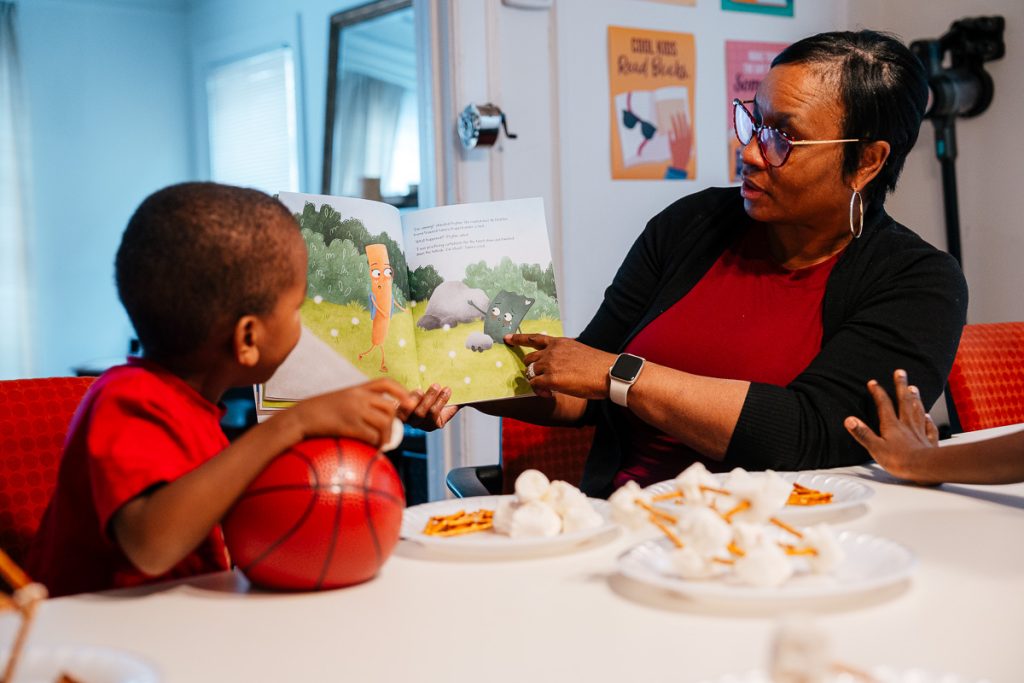
Pictured: Sonia Turner-Bush, Brilliant Detroit Early Explorers Dexter-Linwood hub manager.
With Pre-K for All underway, new wage support for early educators, and growing recognition that childcare is economic infrastructure, Michigan is making meaningful strides to advance early childhood education. But national policy leaders and advocates agree: Structural gaps prevent families, educators, and children from fully experiencing a coordinated, high-quality early childhood system.
Michigan’s recent investment in Pre-K for All marks a major milestone. But the rest of Michigan’s birth-to-five system remains uneven. Anne Kuhnen, Kids Count policy director at the Michigan League for Public Policy, describes the state’s early childhood landscape as “somewhat fragmented,” with progress concentrated in 4-year-old programming.

Meanwhile, child care and infant–toddler supports lag far behind. Despite raising eligibility for child care scholarships to 200% of the federal poverty limit and slightly increasing provider reimbursement rates, child care workers in Michigan still earn a median wage of just $14/hour, barely above minimum wage.
Compared to neighboring states, Michigan “spends far more per capita on pre-k but falls behind on funding child care for children birth to three,” Kuhnen says. The result is a system where 4-year-olds benefit from state investments while younger children and their care providers face persistent underfunding.
A core challenge is Michigan’s weak early childhood data systems. The state does not track whether licensed child care slots are actually open, lacks comprehensive data on what families are paying above scholarship rates, and has no statewide waitlist, making it difficult to identify gaps or advocate for targeted investments.
Mississippi, New Mexico, and Washington D.C stand out
Policy experts use Mississippi, New Mexico, and Washington D.C as national models for how states can improve early childhood systems through clear priorities, dedicated funding, and focused approaches to quality.
Jeff Capizzano, president of Policy Equity Group, explains that Washington D.C.’s most influential innovation, the Pay Equity Fund, provides salary supplements for early educators. Funded through a tax on families making more than $250,000, the program directly addresses the core driver of early childhood instability: low wages and high turnover.

“We can’t keep providers in the field … because we don’t pay them enough,” Capizzano says. “Everything else is less effective if you don’t address the root cause.”
By tying supplements to educator credentials, D.C. not only stabilizes the workforce but creates pathways for improving quality. Early evaluations show educators are increasingly able to stay in the profession, afford housing, and plan financially — outcomes Michigan has struggled to achieve.
New Mexico is widely celebrated for establishing free universal child care, made possible through a constitutional amendment that allocates revenue from state land leases, primarily oil, to early learning programs.
Capizzano describes New Mexico as “doing everything right,” especially its commitment to affordability and groundbreaking policy of eliminating income eligibility limits for subsidies. The state also pays providers at rates that more closely reflect the true cost of care. This allows programs in under-resourced communities to meet the same standards as wealthier communities
Kuhnen agrees that Michigan cannot replicate New Mexico’s land-grant funding but stresses that the underlying lesson still applies: States that make major progress identify dedicated, sustainable revenue streams. Michigan’s constitutional ban on progressive income taxes is a barrier, but options like estate taxes or new earmarked revenues remain possible.
“Every state has different revenue options and different limitations. It’s important for Michigan to think about what we have available in order to fund an essential service for families and for workers,” Kuhnen says.
While Mississippi’s pre-k system is smaller than those of New Mexico and D.C., its rapid rise in student performance has earned national attention. Central to its model is a bold decision: Define classroom quality primarily by the strength of teacher–child interactions, measured through the Classroom Assessment Scoring System (CLASS) assessment.
“Mississippi is pushing every other quality measure aside except the one that matters most,” Capizzano says. “It’s a laser-focused approach … and it’s more equitable than credential-based systems.”
Mississippi’s improvements did not come from top-down policy alone. Chad Allgood, director of early childhood at the Mississippi Department of Human Services, says the state made one pivotal decision: Directly engaging teachers, administrators, and families before redesigning its system.
“We took time during the pandemic to pause our quality work and reach out to our early childhood community,” Allgood says. “We knew we needed to fix some things, but we needed to hear directly from the people impacted by those decisions.”
The state has made a permanent commitment to this approach.
“It’s not a one-and-done for us,” Allgood says. “We’re going to continue meeting and talking with stakeholders as we work to increase quality statewide.”
Michigan also uses CLASS, but not as the primary quality driver. Mississippi’s approach raises questions about how to simplify quality frameworks and focus on practices that most improve children’s experiences.

Mississippi’s collaborative approach allows school districts, Head Start programs, and child care providers to function as a coordinated system.
“Our collaboratives represent a partnership at the community level,” Allgood says. “It creates a fantastic opportunity to align the birth-to-five spectrum with K–12 so everyone is on the same page about what children need as they move into kindergarten.”
Because most early educators enter the classroom with limited formal training, Mississippi invests in deep, individualized coaching.
“The individualized coaching piece is very important,” Allgood says. “We take a strengths-based approach and help teachers build the developmental knowledge they need to create stronger learning environments.”
To support this workforce, Mississippi expanded its resource and referral centers from 15 to nearly 50, giving educators access to high-quality curriculum materials, books, and learning tools, a model Michigan has not yet matched.
“Teachers can access books, learning games, and instructional materials at no cost,” Allgood says.
Mississippi has also prioritized rural equity. The state’s Nurturing Homes Initiative supports family child care providers in rural communities where traditional child care isn’t always feasible. And a new developmental screening tool is expected to triple the number of free screenings available to families statewide.

How Michigan is learning from other states
Michigan leaders and national policy experts emphasize a common thread behind these standout systems: Long-term investment, clear governance, and a commitment to treating early childhood as essential public infrastructure.
“There has never been a state we haven’t learned something from,” says Emily Laidlaw, director of Michigan Department of Lifelong Education, Advancement, and Potential (MiLEAP).
The department routinely studies promising models across the country, not to replicate them, but to understand how different approaches might strengthen Michigan’s own system.
New Mexico offered Michigan valuable insight into how to braid state-funded pre-k with existing Head Start programs. Before moving toward universal child care, New Mexico had already built out universal pre-k, an approach that helped Michigan think about layering funding and expanding access without displacing community-based providers.
Iowa informed Michigan’s early educator wage strategies, influencing the structure of Michigan’s recently announced stipend program. Illinois provided lessons on state-level coordination after launching its own early childhood department, while North Carolina helped Michigan think through local governance and coordinated enrollment systems designed to simplify families’ experiences accessing care.
Michigan has applied these cross-state lessons in programs like MI Tri-Share, where the state, employers, and families share child care costs to support early education as essential economic infrastructure.
The new MI Care Share initiative expands affordability support regardless of income. Michigan’s Early Educator Wage Initiative and expanded workforce benefits package represent some of the most comprehensive supports for early childhood professionals in the nation.
Michigan’s learning from other states is evident in the $630 million dedicated to Pre-K for All this year. The state is funding transportation, startup grants, and new seats so that more 4-year-olds can participate. Michigan is drawing from what works elsewhere while building solutions that fit its unique communities, economy, and early learning landscape.
A growing momentum and window of opportunity
According to Laidlaw, the state’s momentum to invest in systems that support young children and the workforce comes from the government and communities themselves. Families, employers, and providers are directly shaping the department’s strategies, a level of engagement that’s critical to ensuring reforms work in practice.
Michigan’s early childhood landscape now includes stronger partnerships across sectors. School districts are building closer ties with infant–toddler providers. Employers are becoming vocal supporters of child care affordability. Philanthropy is directing resources toward early learning, workforce pipeline development and community-based supports.
What remains is the harder work of securing long-term, sustainable funding and building data systems robust enough to guide policy and measure progress.
Kuhnen concludes, “Without reliable revenue and better information, Michigan risks continuing to ‘patch holes’ rather than build a durable, equitable birth-to-five system.”
Special thanks to Brilliant Detroit for allowing Early Education Matters to photograph its Dexter-Linwood Hub Early Explorer program. Brilliant Detroit aims to operate 24 hubs across the city in order to affect population-level change with, for, and by children and families.
Photos by Nick Hagen.
Photos of Jeff Capizzano and Anne Kuhnen courtesy subjects.
Early Education Matters shares how Michigan parents, child care providers, and early childhood educators are working together to create more early education opportunities for all little Michiganders. It is made possible with funding from the W.K. Kellogg Foundation.
Author

Related Articles
Calhoun ကောင်တီရှိပထမမျိုးဆက် မြန်မာကလေးများ၏ “Catching the Dream”
Catching the Dream Learning Center သင်ယူရေးစင်တာသည် Calhoun ကောင်တီတွင် ပထမဆုံး မြန်မာဘာသာစကားဖြင့် သင်ကြား ပို့ချမှုကိုပေးသော မူကြိုကလေးများအစီအစဉ်ဖြစ်ပြီး လွန်ခဲ့သည့်ဆယ်စုနှစ်အတွင်း မြန်မာ ဒုက္ခသည်နှင့် ရွှေ့ပြောင်းနေထိုင်သူ ထောင်ပေါင်းများစွာ ဤဒေသတွင် အခြေချနေ ထိုင်ခဲ့ ကြသည့်နေရာ ဖြစ်သည်။ ရပ်ရွာခေါင်းဆောင်များနှင့် ဒေသခံအဖွဲ့အစည်းများ၏ လက်ရှိခန့် မှန်းချက် အရ Battle Creek နှင့် Springfield ဒေသတွင် မြန်မာလူဦးရေ စုစုပေါင်း ၃၀၀၀ ခန့်ရှိမည် ဖြစ်ပါသည်။
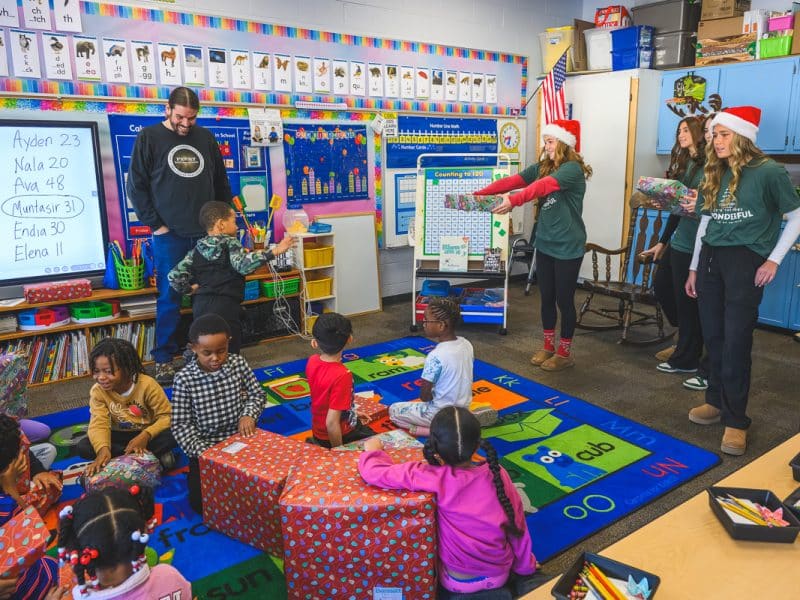
Ypsi early learning center celebrates the holidays with Dexter High School students
The high school kids didn’t just drop off gifts, they jumped into to play alongside the preschoolers.
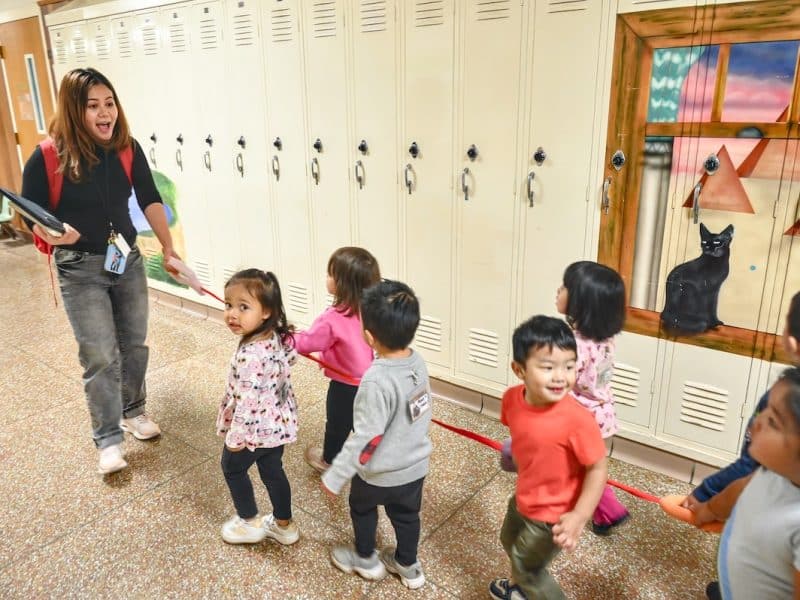
First generation Burmese children “Catching the Dream” in Calhoun County
Early learning center reflects children’s home languages, cultural practices, and supports first-generation families.