New man-made reef helps restore fish, culture, and a decimated habitat
A reef constructed near the mouth of the Saginaw River in September and October may already be helping to correct decades of damage from humans, invasive species, the wind, and tides.
Invasive species, human impact, the wind, and tides have taken their toll on native fish populations in the Saginaw Bay. Now, strategically placed limestone is a step in correcting some of that.
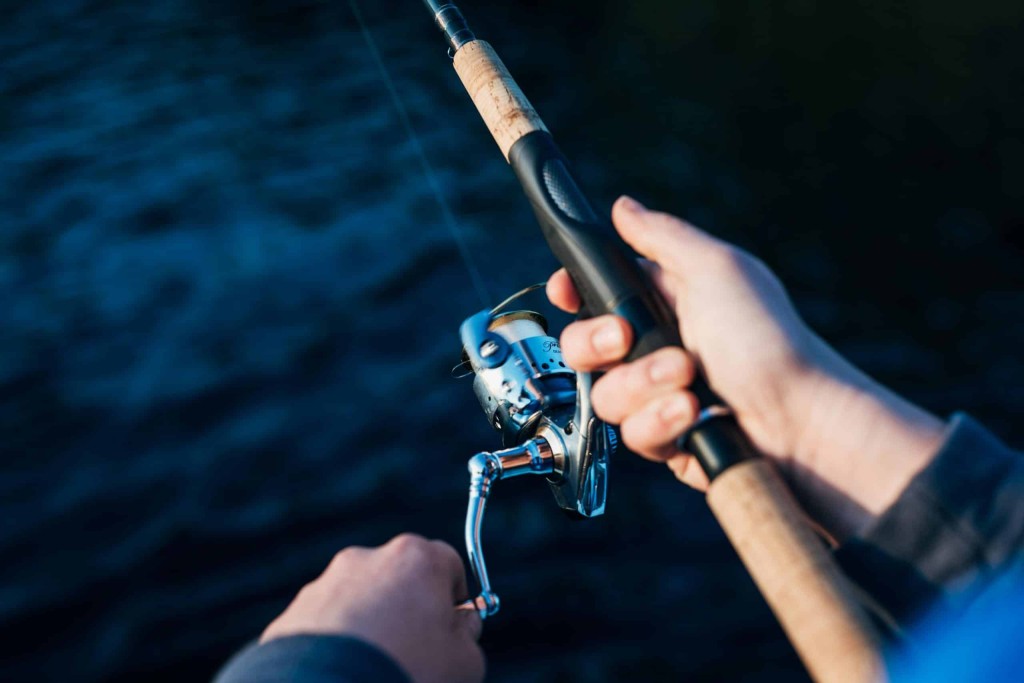
Glacially-deposited reefs in the Bay have been decimated over the years because of silt deposits from lakefront development, industrial pollution, and environmental factors. The loss of the reefs affected not only the fish populations but also the communities that rely on the Bay’s resources.
In September and October, though, nearly 20,000 tons of rock, cobble, and gravel were placed about a half mile off Channel Island near the mouth of the Saginaw River as part of the Inner Saginaw Bay Reef Restoration Project. That reef will support the spawning of fish species that have nearly disappeared in recent years.
Jeff Jolley, a biologist for the Michigan Department of Natural Resources Fish and Wildlife Division, says the reef is part of a larger effort to restore habitat for fish such as whitefish, cisco (or lake herring), and other fish that spawn on rocky bottoms in the Saginaw Bay.
“Saginaw Bay once had all kinds of fish habitat — coastal wetlands, connected tributaries, and rocky reefs — and each one mattered,” Jolley says.
The coastal wetlands and the local fish have long been staples in communities along the Saginaw Bay, he says.
“We want to help people understand that whitefish, perch, and other fish were really embedded in the Great Lakes culture. People would go to fish fries and get locally-sourced fish, and that’s gone now. Younger people may have forgotten it, and it’s daunting to bring some of that back, but with projects like this, we’re working toward restoring that to the local culture.”
Jolley cites human influences among the reasons for the loss of the fisheries.
“Logging, farming, industry, and other land use changes led to the loss of many of those areas,” Jolley says, but he’s hopeful the recent reef project is a step toward bringing back fish habitat.
“There’s been a lot of negative impact,” he says, including pollution and climate change. “We’ve done damage to the environment, but, on the positive side, we’re working hard to correct some of that.”
The reef wasn’t built in a day.
Over the course of a month, a barge dropped the limestone into a 2½-acre long, narrow mound.
It isn’t deep, only about 5 ½ feet below the surface of the water. It measures about 570-feet long and 190-feet wide along the bay floor.
This reef, along with another about 5 miles out in the bay, will have a positive impact on fisheries in the Saginaw Bay, says Jeff Tyson, Program Manager with the Great Lakes Fishery Commission.
“Its placement is such that its intent is to protect it from wind, waves, and ice scour,” Tyson says. He says the formation will also protect any eggs laid in it from potential predators, including other fish and birds like the cormorant.
Invasive species have had a big impact on the fishery, adds Tyson. Many of these species arrived in the ballast water of freighters.
“Whitefish populations are driven down by zebra mussels,” says Tyson. Invasive round gobies eat vulnerable fish eggs. The alewife all but destroyed the lake herring population.
Regulations for the discharge of ballast water are helping to stop the influx of invasive species, but controlling those already here is a challenge.
This reef is one step toward addressing the damage from invasive species. The reef protects eggs, allowing them to hatch and help restore populations.
Planning for the project and the future of Saginaw Bay Fisheries
Over the course of the last few years, the DNR, Fisheries Commission, and Department of Environment, Great Lakes and Energy (EGLE) met with community members and local stakeholders to get input about the reef.
Bretton Joldersma, Lake Huron Coordinator for EGLE, and says a lot of consideration was given to residents, boaters, and anglers in the placement of the reef.
“We did try to site the reef in deep enough water where some of our low water level years, we will maintain at least about 5 ½ to 6 feet of water depth over the reef,” he says.
They also considered sail boaters who participate in yacht racing in the area.
“That’s why we also ended up (placing) our reef restoration project over on the east side of the Channel Island, so that we were outside of those navigational concerns.”
To prevent silt and shifting sand from covering up the new habitat, Joldersma says they also looked at models ahead of the project.
“We want to help people understand that whitefish, perch, and other fish were really embedded in the Great Lakes culture. People would go to fish fries and get locally-sourced fish, and that’s gone now. Younger people may have forgotten it, and it’s daunting to bring some of that back, but with projects like this, we’re working toward restoring that to the local culture.”
– Jeff Jolley, a biologist for the Michigan Department of Natural Resources Fish and Wildlife Division
“We did do some modeling work to look at sedimentation and circulation patterns within the Saginaw Bay to get an understanding of … if we did build something, was it just going to get filtered in.”
He said they also looked at sediment sampling to get an understanding of the soft sediments and deposit zones.
“We’re trying to find that happy medium of maintaining enough water depth for navigational concerns, but also having the reef try to come up into the wave zone to help try to flush out the reef as storms and waves come in.”
Like the Coreyon reef that was completed in 2019, Joldersma says the new reef will be monitored closely to monitor the impact of waves and currents.
Both the reef projects are making a positive impact already.
“This reef restoration is a step toward bringing that good habitat back — for the fish, and for the people of this community who are proud to see their Bay thrive once again,” says Jolley, who adds the Coreyon reef attracted fish to the spawning beds immediately, and he expects to see that happen with the Channel Island reef.
The reef project wouldn’t have been possible without funding.
“This project was successful because we had a lot of great partners,” says Tyson.
The partners include Michigan Sea Grant, MSU Extension, and the U.S. Fish and Wildlife Service.
Funding came from a National Oceanic and Atmospheric Administration (NOAA) grant, Great Lakes Restoration Initiative, and Dow Chemical Natural Resources Damage Assessment and Restoration settlement money, among others.
Related Articles
How one community plans to permanently preserve drinking water supply
The Bluebelt program is designed to permanently protect properties that are vital for safeguarding Ann Arbor’s drinking water supply.

Meeting rural Michiganders’ mental health care needs
Michigan’s rural residents face different challenges when accessing mental health care than residents of urban areas. Transportation issues, loneliness, and limited group therapy options can compound their mental health needs. To address these challenges, community mental health (CMH) agencies like Sanilac County Community Mental Health innovate community-based solutions that meet their populations where they are at.

Mental health agencies strengthen services through community collaborations
Across Michigan, community mental health (CMH) agencies are expanding their reach through partnerships with local organizations that address housing, transportation, and other barriers to care. These collaborations aim to create a more coordinated and accessible mental health system, particularly for individuals with complex needs.