Revolutionary housing collaboration in Holland bridges faith, accessibility, and tribal communities
The Kollen Park Housing Development, created through a collaboration involving a former food pantry, church land, and tribal partnership, is a unique example of how communities can collaboratively address housing challenges.
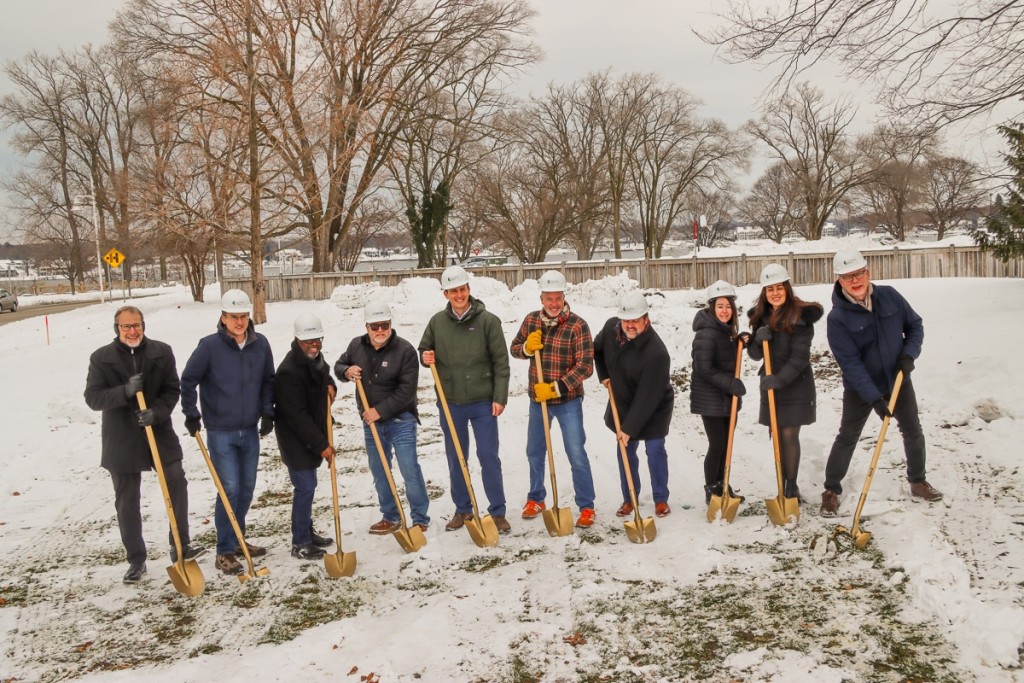
On this chilly morning in Holland, giant snowflakes blew in from Lake Macatawa, causing folks looking to attend the noon groundbreaking to seek warmth before the ceremony.
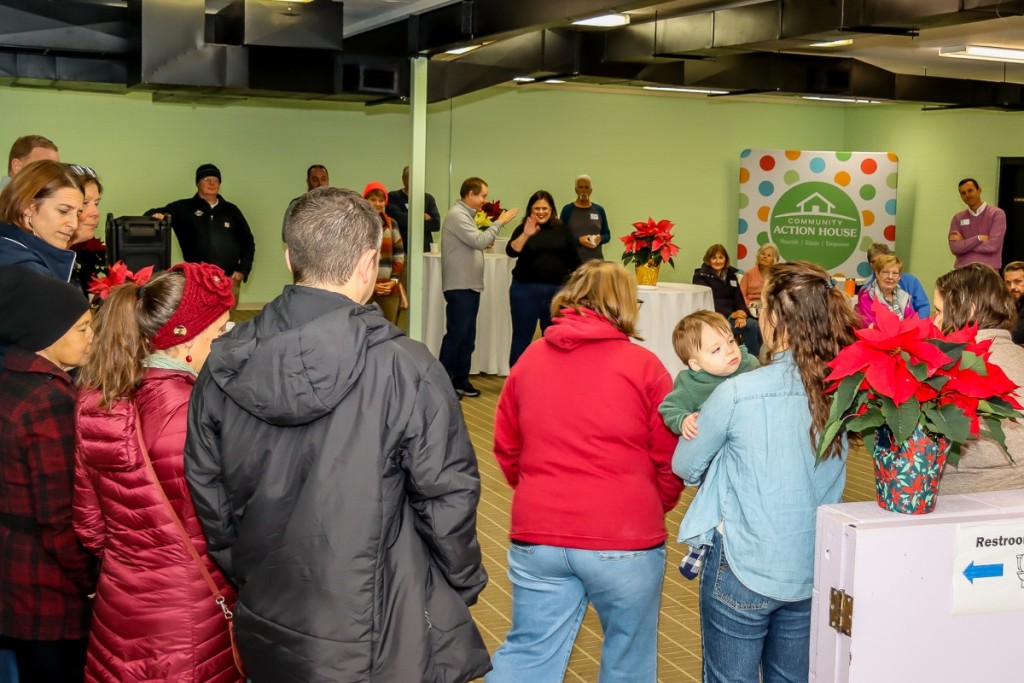
Longtime neighbors, staff, and community members had come together for an informal decommissioning of the space once occupied by Community Action House. They shared heartfelt stories about the significance of this nonprofit in their lives, creating a moment steeped in memory and gratitude and setting the tone for a celebration rooted in a history of community care, service, and impact.
What is taking shape at the Kollen Park Housing Development is not just an ordinary affordable housing project. It represents a remarkable seven-year journey where the convergence of faith-based land stewardship, inclusive design, municipal policy reform, and partnerships with tribal communities has unleashed a new model for what community-driven housing can look like and achieve within Holland.
This development will provide 57 mixed-income rental homes spread across three sites. This includes a 13-unit building designed for adults with disabilities and 11 units set aside for members of the Little River Band of Ottawa Indians.
Seeing and serving the need
For Community Action House, this project is propelled by a strong personal connection and grounded in data.
“Years ago, our community invested in something called Housing Next, which started running housing needs assessments so that our efforts were grounded in real data on the gap between what exists and what’s needed,” says Community Action House’s CEO Scott Rumpsa. “We as a community nonprofit knew we couldn’t do it all, but we stayed curious about which part of the solution we could be, together with others.”
The data shows that over the next five years, Ottawa County will need nearly 4,000 more rental homes, with over 3,000 within the affordable category. Rumsa noted that these figures are reflected daily in the experiences of families striving for housing stability.
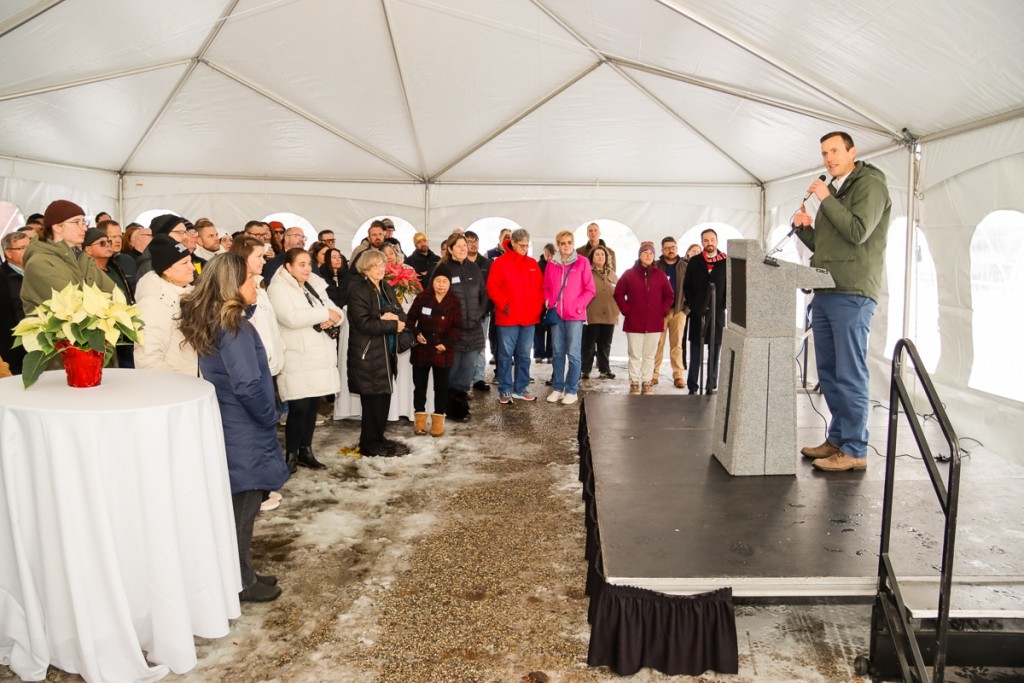
“No matter how strong our programs are, we can’t fully support long-term stability if the housing supply simply isn’t there,” he said during the groundbreaking.
Serving needs from a food pantry to providing housing
The Kollen Park development has its roots in a significant change. As Community Action House relocated its primary operations to its new Food Club & Opportunity Hub in another part of town, the building it had occupied for many years became available for a fresh, new use.
“We saw it as stewardship,” Rumpsa said. “Our community’s compassion shows up through resources like this, and so we asked, ‘What can we do with this now that aligns with community needs?’ For many people, that next step forward is housing.”
That one question initiated a collaborative effort that connected nonprofit service providers, local government leaders, faith organizations, developers, and tribal partners.
Faith as active infrastructure, not property liquidation
One of the most unique aspects of this project is the involvement of the churches, which serve not as sellers of land but as enduring partners.
“This began about seven years ago with a single special-needs household in our congregation,” says Gordon Wiersma, one of the pastors at Hope Church. “We felt called to provide housing, and then we were challenged to let that love expand outward to our neighbors.”
Rather than auctioning their land to the highest bidder, Hope Church and First United Methodist Church opted to remain involved, each offering both their property and their steadfast support.
“In our tradition, love of God is expressed through love of neighbor,” Wiersma says. “These apartments are a tangible expression of that love.”
For Jacob Horner, the chief real estate development officer at Dwelling Place, that position holds significance.
“The faith-based community is becoming more important to solving this problem,” Horner says. “Churches see the pain in their neighborhoods and they want to be part of the solution, not part of the problem. Hope Church and First United were that way from day one.”
Accessibility is integrated, not an add-on
At the Hope Church location, accessibility considerations influenced the project from the beginning.
“Hope Church identified a real shortage of accessible housing,” Horner says. “So when we designed that building, we centered accessibility and secured Section 811 vouchers, which specifically support people with disabilities.”
These federal vouchers operate in a manner comparable to Section 8, but they are specifically designated for individuals with disabilities. This enables tenants to reduce their rent while ensuring the buildings’ sustainability.
“It’s truly a win-win for the residents and for the long-term success of the property,” Horner says.
The design philosophy extends beyond physical accessibility. The community rooms in the Kollen Park buildings will serve as centers for educational opportunities that will offer resources on financial wellness, credit building, and homeownership education, as well as workshops designed to enhance life skills.
“We walk alongside people for that next step forward,” Rumpsa said. “Progress sometimes shows up in months, sometimes in years—but we stay with them in that journey.”
A rare tribal housing partnership
A key part of the development is the participation of the Little River Band of Ottawa Indians, with 11 units designated for tribal members.
“This initiative represents a meaningful step forward in expanding access to quality affordable housing,” Brittney Drake, chief administrative officer at Little River Holdings, shared during the groundbreaking. “We look forward to continuing this work together and creating spaces where families and future generations can thrive.”
In a setting where conversations about Native housing inclusion often remain theoretical, this partnership offers a real opportunity for urban Native communities to obtain long-term, stable, and high-quality housing through direct investment and shared governance.
This extends beyond simple symbolism, as the Tribe’s participation signifies true structural inclusion.
Good change as policy
The city of Holland’s policy groundwork was essential to the Kollen Park housing project taking flight.
“In 2022, the city of Holland passed what’s called our Unified Development Ordinance,” said Mayor Nathan Bocks. “We completely rewrote our planning and zoning code to allow smaller unit sizes and increased density citywide.”
Over more than six years, Holland authorized 1,400 new housing units, increasing its overall housing stock by about 10 percent. Bocks describes the ripple effect of additional affordable housing.
“When seniors move into an assisted, community-focused living arrangement, that frees up condos for empty nesters. And as families move into larger homes, they in turn open up smaller units,” he says. “Every new housing unit opens housing across the entire spectrum.”
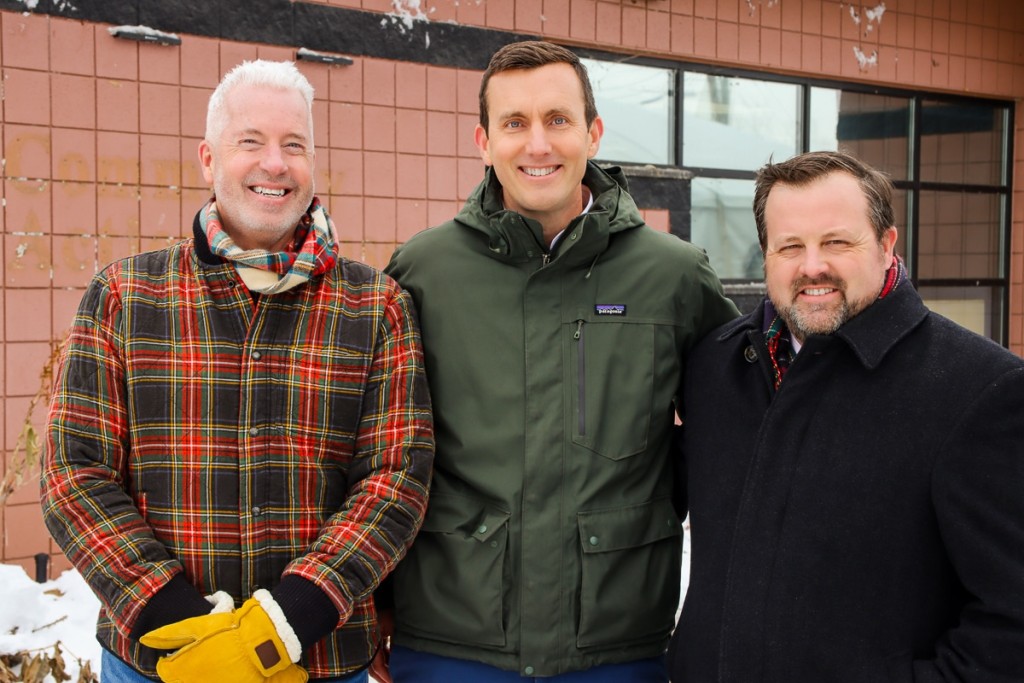
Bocks gained attention during the groundbreaking for unapologetically advocating for affordable housing that includes waterfront views – an experience typically reserved for the privileged and often the few.
“People will complain about offering affordable housing with a waterfront view. And, yes, we absolutely are doing that,” he says. “We believe in Holland that everybody deserves a great place to live.”
Understanding the cost of doing it right
Kollen Park reveals the true economics of community-built housing. The project needed $1.2 million in local philanthropic funding. Over $1 million had already been secured, leaving about $200,000 still to be raised.
Long-term affordability is safeguarded through state regulatory agreements linked to the project’s tax credits.
“That promise runs with the property,” Horner says. “This housing stays affordable.”
Horner added that the real challenge isn’t just money, it’s patience.
“Projects like this take time, sometimes years,” Horner says. “That only works when partners have shared motivation. A church understands it’ll be neighbors to that site long-term. That changes everything.”
What this doesn’t solve…yet
No single development can fix Ottawa County’s housing shortage. Rental supply still falls short of demand. Land remains scarce. Affordability issues continue in volatile markets.
However, Kollen Park provides something rare: a working roadmap that organizers hope others will replicate, as Holland is not the only city struggling to add housing stock.
It demonstrates what’s possible when faith institutions act not just as land sellers, but as long-term housing partners; when accessibility is prioritized as a core design principle; and when tribal inclusion, rare and unique in this region, is integrated into urban development rather than added as a ceremonial gesture at the edges.
This project shows that zoning reform can be just as transformative as philanthropy, and that while community development of affordable housing moves more slowly than market-based projects from outside developers, patience is a form of unsung capital, not a delay.
A groundbreaking celebration of the community
When the ceremonial shovels finally pierced the frozen soil, representatives from all partner organizations gathered shoulder-to-shoulder—nonprofit leaders, pastors, city officials, developers, and community members.
“Join in the photo,” Rumpsa told the crowd gathered under the tent. “This is about what community chooses to do together.”
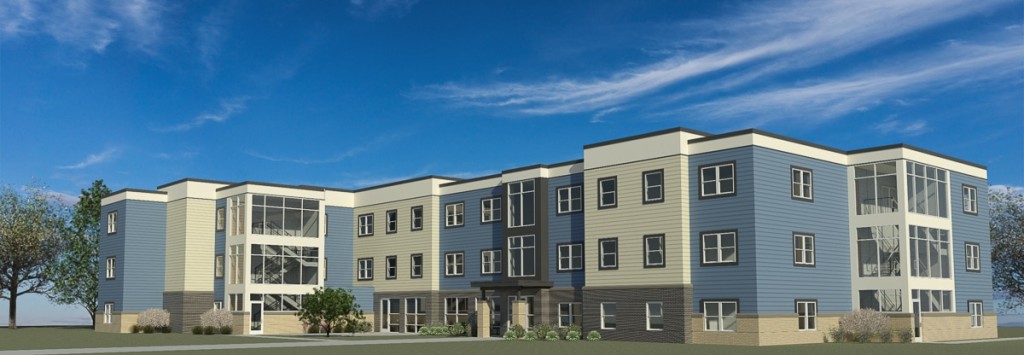
At Kollen Park, that choice is now taking physical shape.
Housing is increasingly viewed not just as a commodity, but as a shared form of moral, civic, and cultural infrastructure.
In an era when housing debates often are divisive and difficult to resolve, this project’s emphasis on the importance of patience in creating something new could serve as a promising foundation for others to implement in their own communities.
Photos by Tommy Allen
This story series is made possible through the support of Dwelling Place, a nonprofit housing leader committed to building inclusive, resilient communities. Through this partnership, Rapid Growth Media explores how local solutions to housing, equitable access, and creative placemaking can shape broader national conversations from West Michigan.
Related Articles
Major city’s growth adds urgency to streetcar expansion discussion
Tampa leaders mull options for TECO Line streetcar extension that could shape future growth.
Recast Leaders aim to revitalize local economies
This Recast City program has worked with more than 200 cities in 44 states over the past 11 years.
In neighborhoods across Greater Cincinnati, a nonviolent resistance begins to organize
Concerned citizens are taking action — making whistle kits, getting a refresher in the U.S. Constitution, and reaching out to immigrant-owned small businesses.