Making Michigan’s outdoors accessible to all
Between 30% to 35% of the population has some issue that could make it difficult for them to interact with the outdoors. They deserve access.
“Preserving Michigan” is an ongoing series exploring the history and impact of the Michigan Natural Resources Trust Fund on the people and communities of Michigan. The series is underwritten by the Michigan Environmental Council. Issue Media Group maintains editorial independence for all of our underwritten content. Please review our editorial underwriting policy for more information.
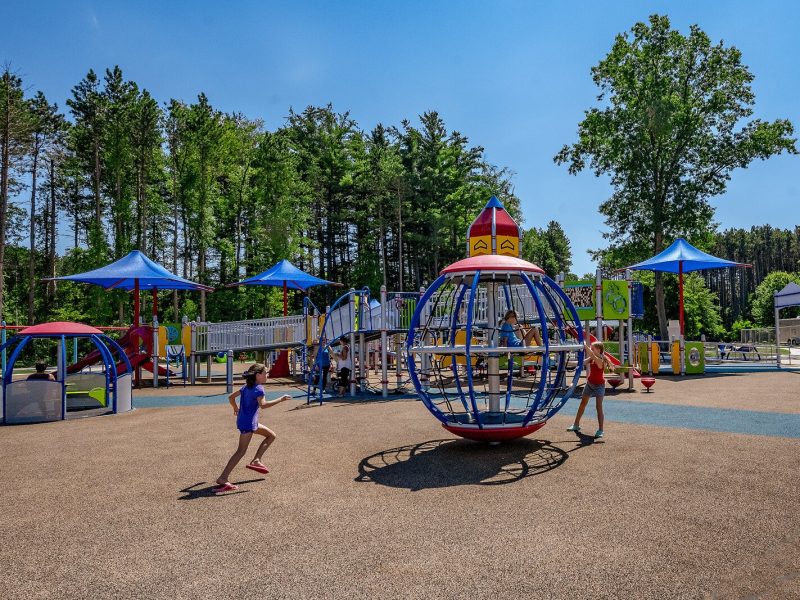
Between 30% to 35% of the population has some issue that could make it difficult for them to interact with the outdoors. They deserve access.
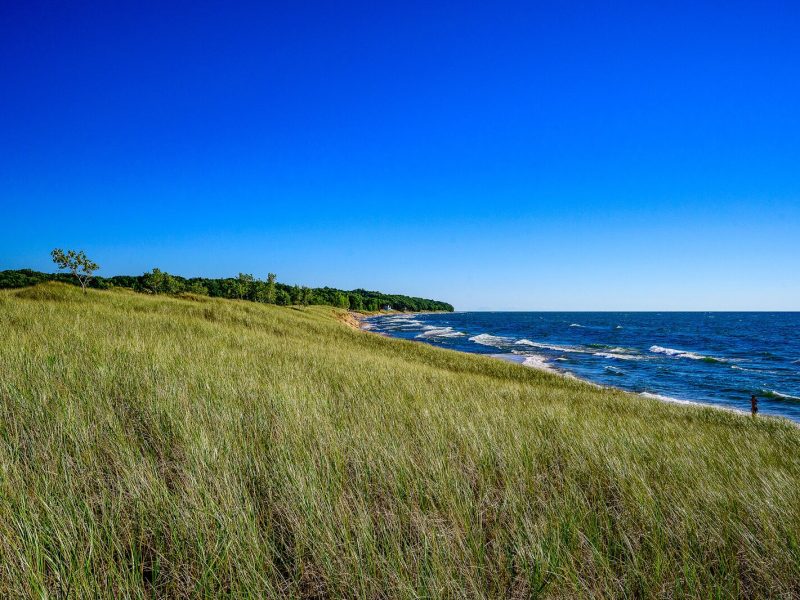
"A big sense of the community here is trying to keep a good hold on the natural environment and not have too much development."
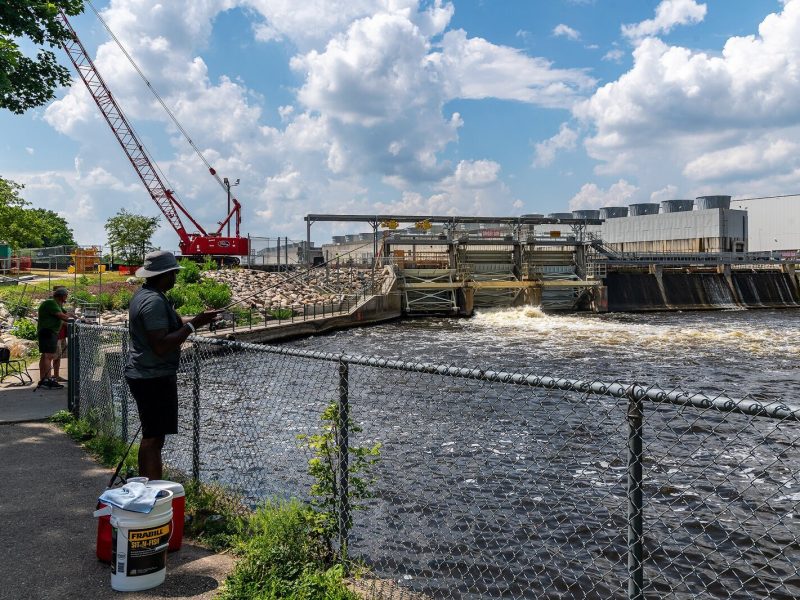
"People are defined by the water in Michigan, and access to it is really a deep value and a fundamental right."
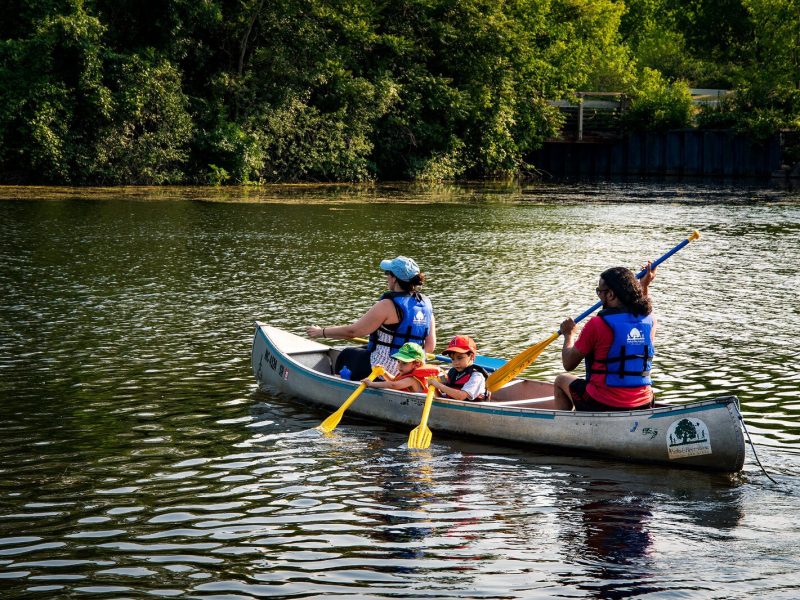
Water trails are a relatively recent phenomenon in Michigan, having proliferated across the state over the past 10 to 15 years. Water trail advocates chalk that up to a variety of factors: the ripple effect of growing public interest in land-based trails, the establishment of the National Water Trails System in 2012, and a growing population of older adults that appreciate low-impact exercise like canoeing and kayaking.
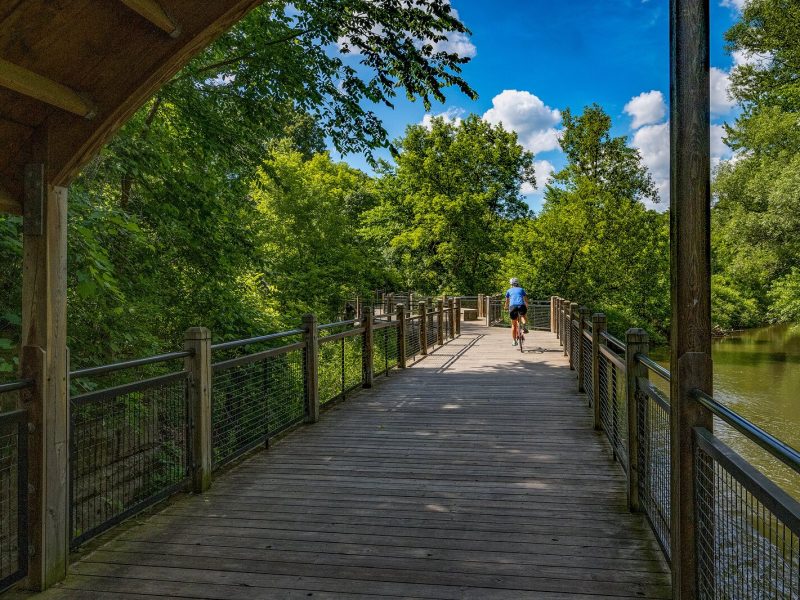
"These are investments that are going to pay dividends for generations. You don't get a chance very often to make these things happen."
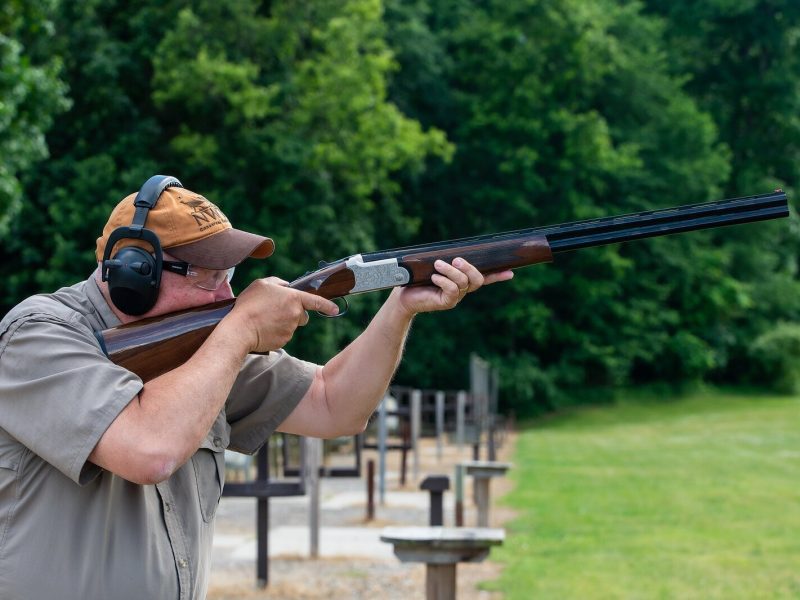
"We have a saying here: If you don't have shooting, you don't have hunting; if you don't have hunting, you don't have conservation, and if you don't have conservation, you don't have wildlife.”
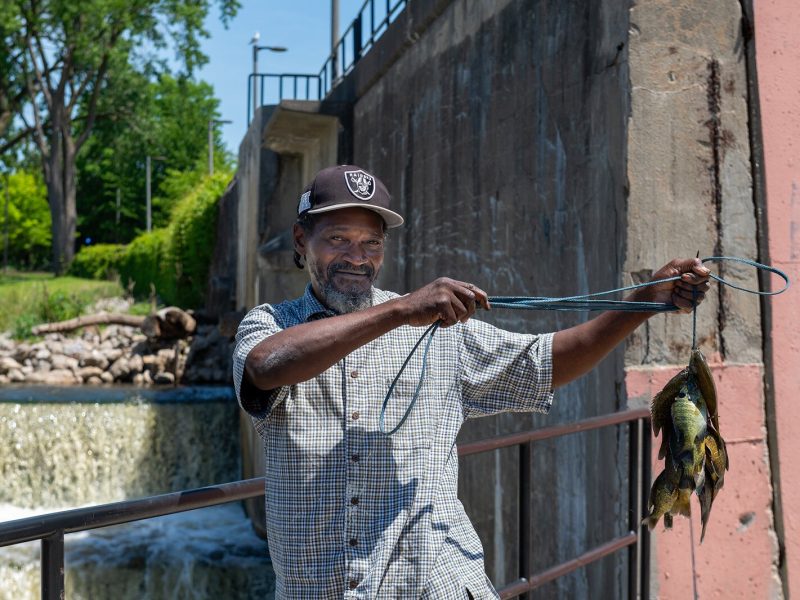
Amy McMillan saw the potential for recreation in downtown Flint along the Flint River. But she knew that to realize those dreams would require money the City of Flint and Genesee County didn’t have.
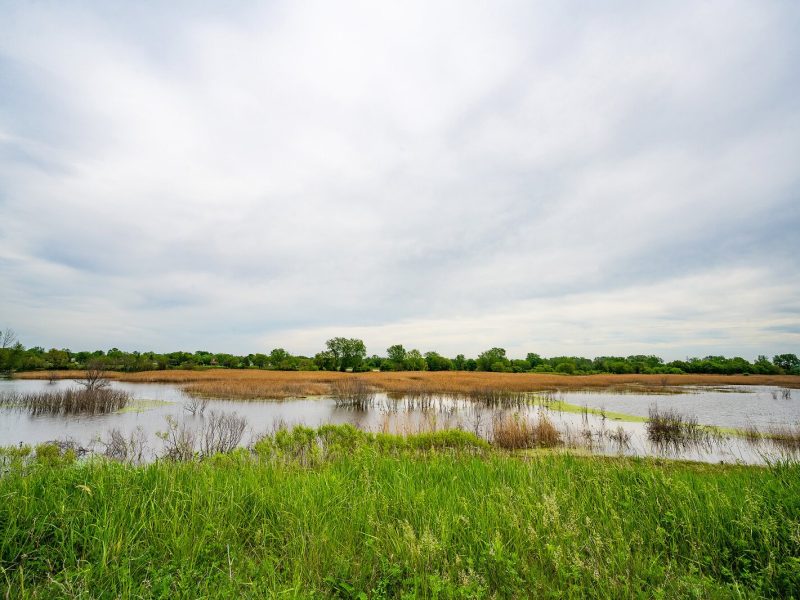
With a history of lumber, coal mining, and ironworks, a parcel of land in the heart of the Saginaw River Watershed is the region's newest park.
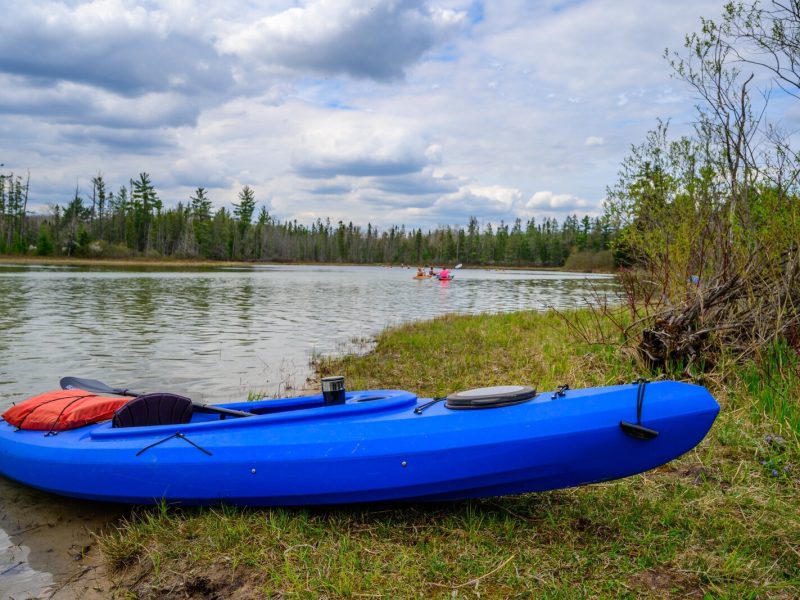
Creating and preserving Michigan's Pigeon River Country, known as "the Big Wild", has involved a long, sometimes contentious dance between conservation and the pressures of the outside world.
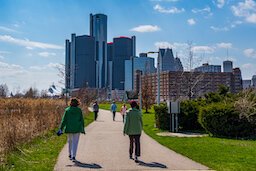
The dramatic revitalization of the Detroit riverfront is one of the city's great success stories. Here's a short history of how a partnership between the Michigan Natural Resources Trust Fund and local leaders helped build "the front door to Detroit."
Our Partners