In photos: See inside the water pumping plant that’s kept Memphis hydrated since the 1930s
The Sheahan Pumping Station was built in 1932 and helps keep Memphis' artesian water pristine. Take a rare photographic tour inside its uniquely beautiful and critical important building.
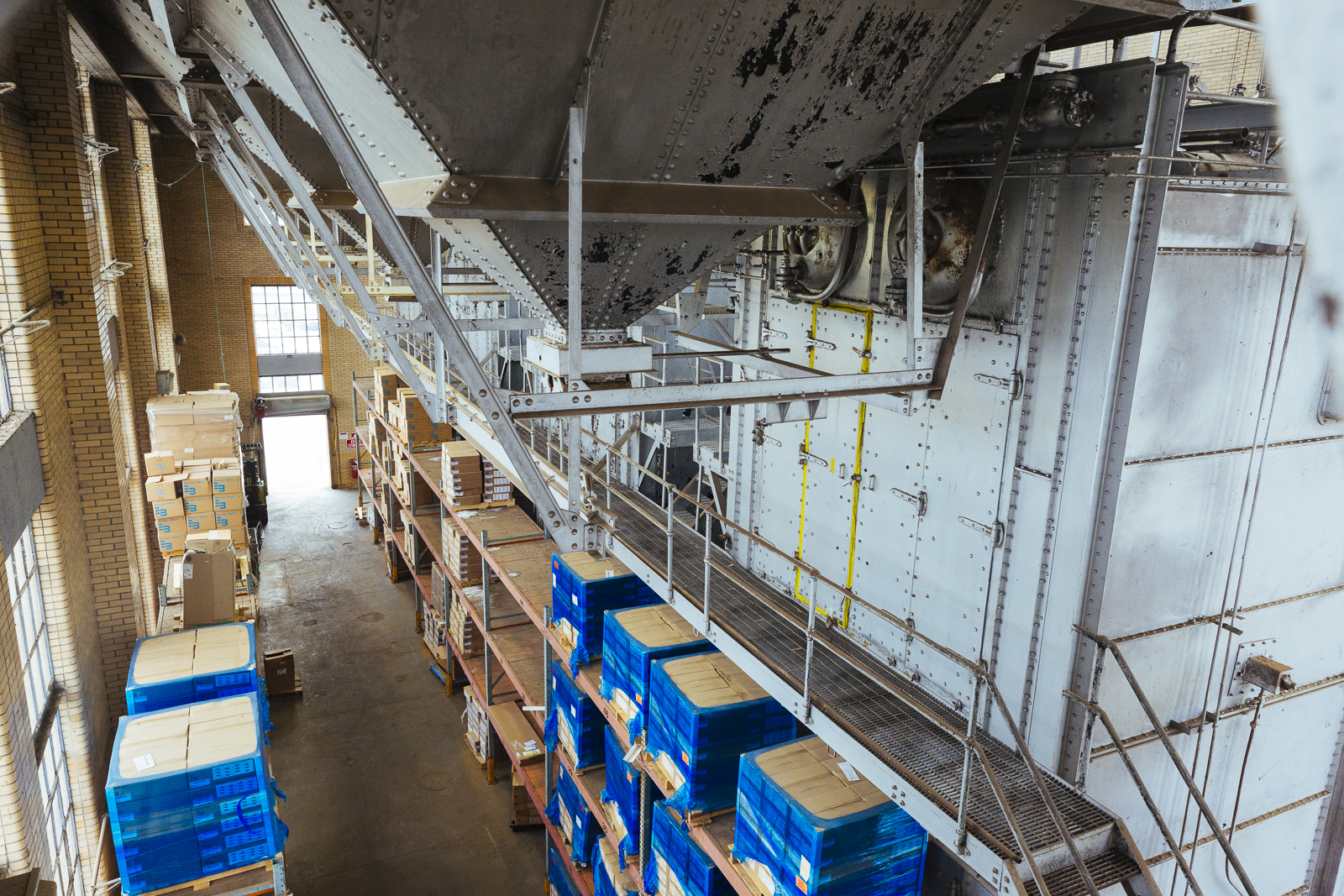
Located at 3941 Grandview Avenue in the University District, the James Sheahan Pumping Station opened in April 1932. It’s the second oldest station in the city of Memphis.
Owned by Memphis Light, Gas and Water, the station pulls water from the Memphis Sands aquifer, filters it through nearby wells and filters, aerates and treats it before it’s ready to be enjoyed by nearby residents.
The Sheahan station can pump up to 35 million gallons of drinking water per day.
“MLGW has a system of ten water pumping stations that work together to supply drinking water to our customers every day,” said Juanita Ford Boothe, acting supervisor for MGLW’s water operations.
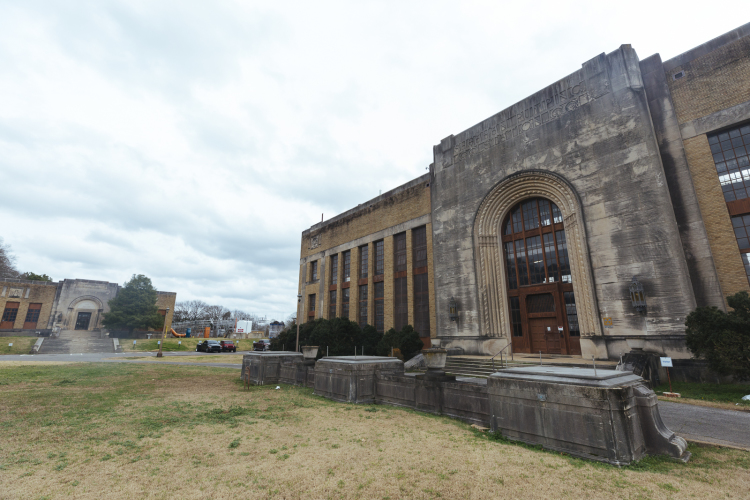
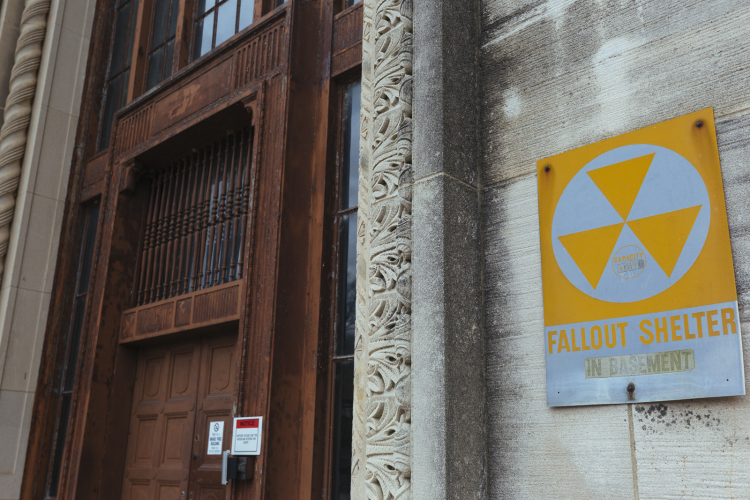
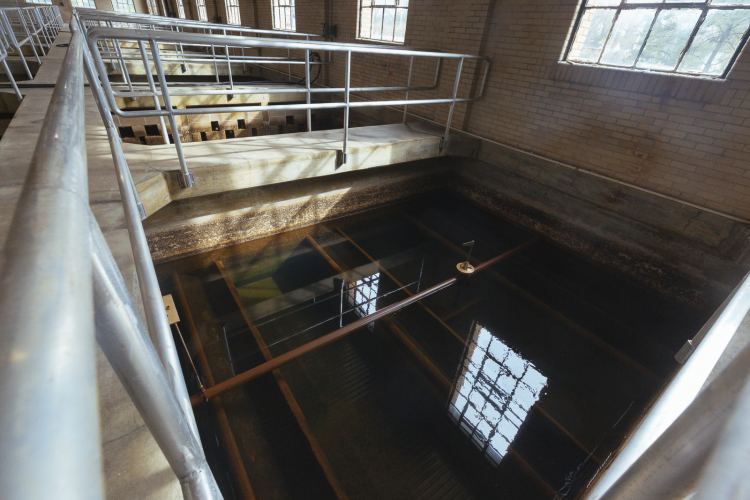
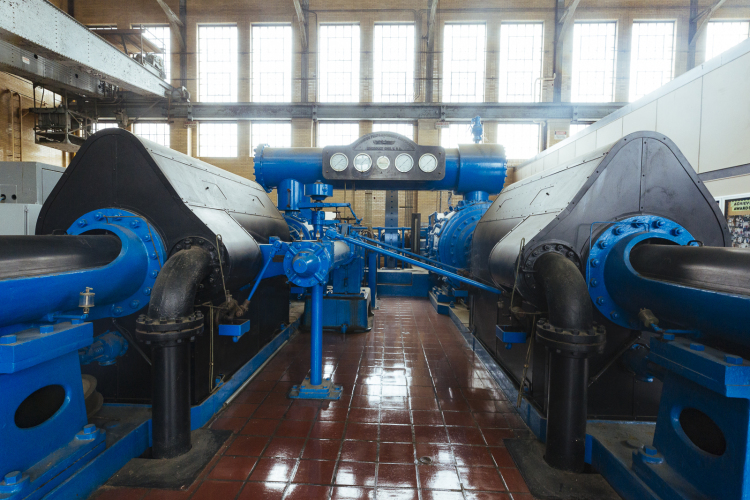
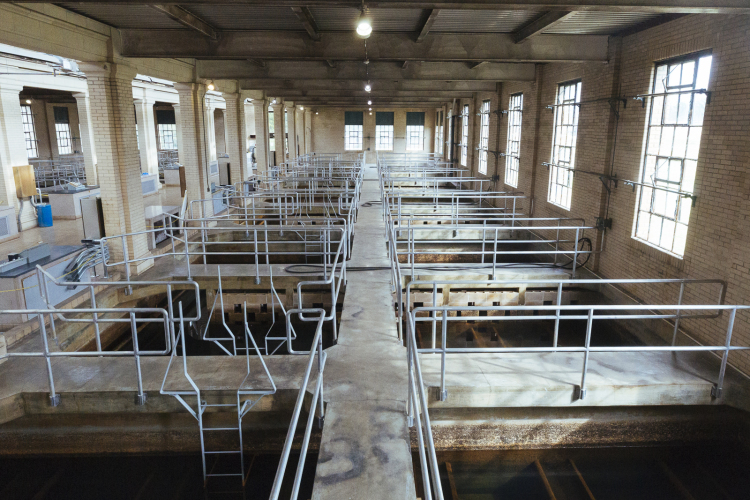
Over 50 skilled employees in the Water Operations division of MLGW work at Sheahan. They include pump repairers, well tenders, mechanics, electricians, instrument technicians, water treatment plant operators and engineers. Employees from the Water Meter division also operate from Sheahan.
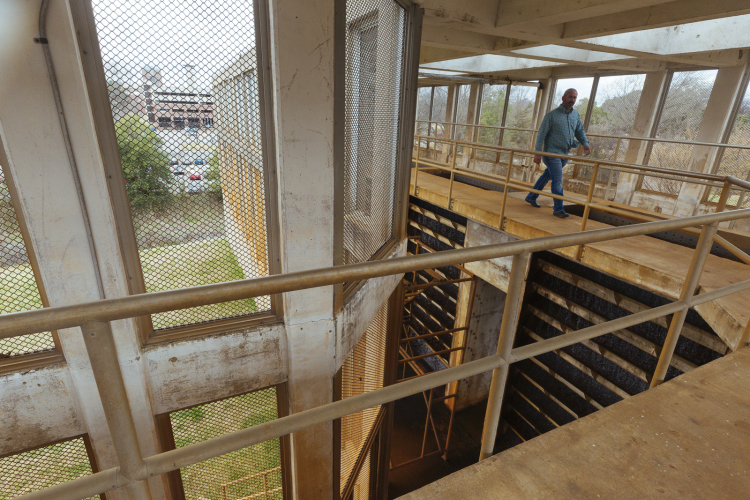
When Sheahan opened, it was powered by coal and steam. Employees had to manually load coal from rail cars into the boilers. In the 1970s, the facilities updated, and improvements included switching its high-service pumps and aerators to electricity purchased from the Tennessee Valley Authority.
“Electricity is a more economical, reliable and environmentally friendly source of power when compared to using a natural resource, such as coal,” said Ford Boothe.
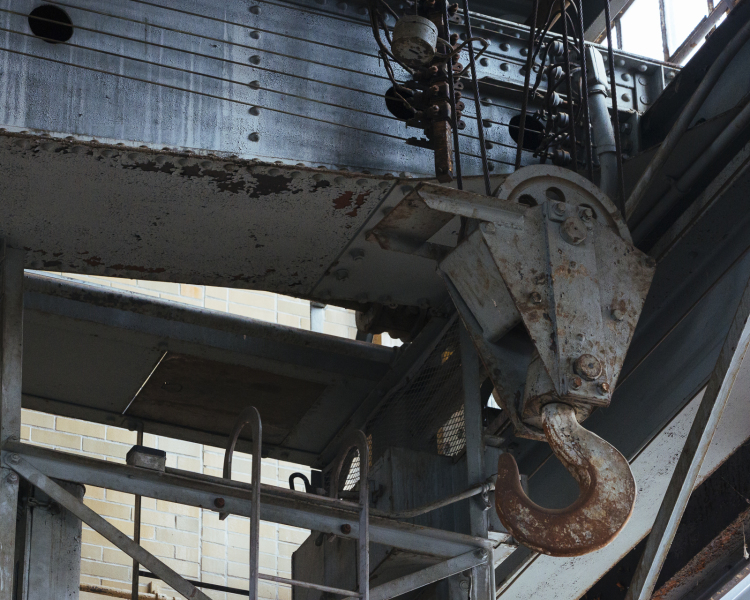
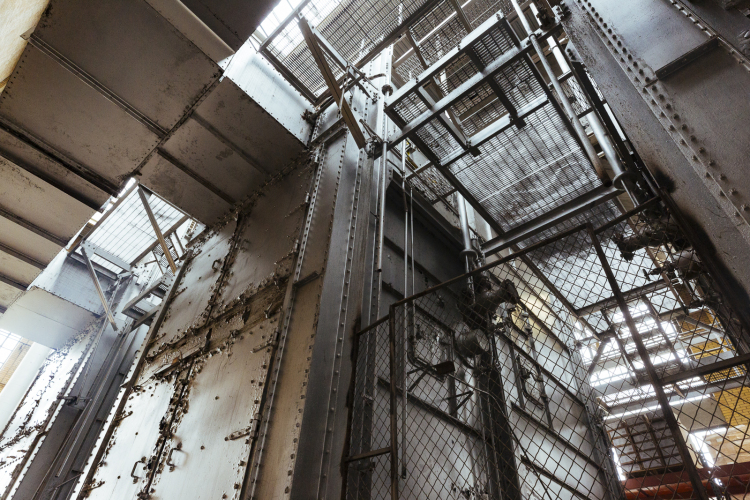
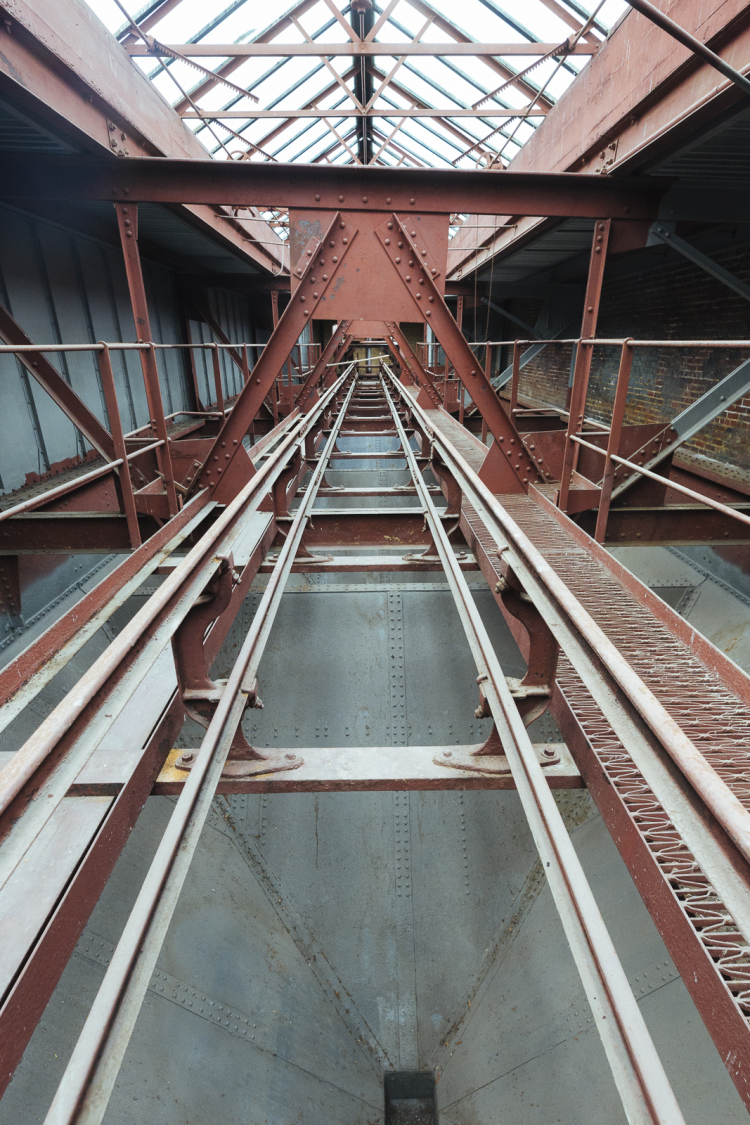
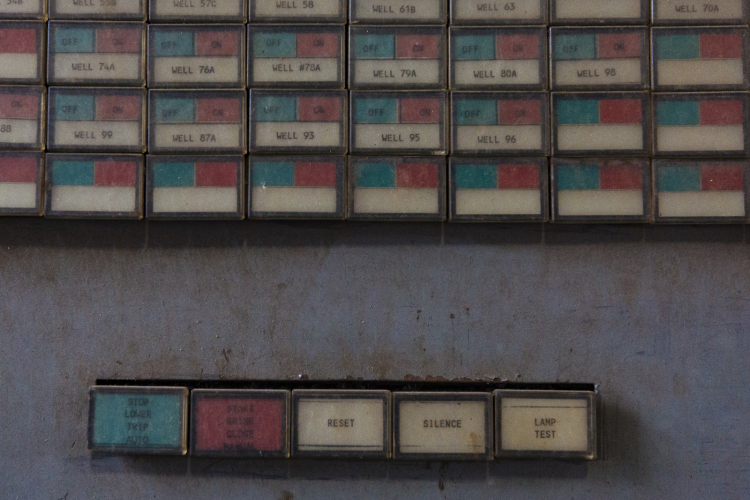
Today, most of the plant is electric and automated and is continuously monitored by MGLW’s computer systems.
“However, we still have a team of employees to check wells, collect samples, perform necessary maintenance and continuous repairs on aging infrastructure and oversee the
day-to-day operations at the system of water pumping stations,” said Ford Boothe.
Sheahan was also home to MLGW’s Water Quality Lab until a new dedicated facility opened in 1994.
Related Articles
Property owners are trying to flip this city back to its heyday
The investments have landed Flint’s home ownership rate three percentage points above the national average.

Opinion: AI is ‘The Thneed’ of the 21st Century
AI itself shows alarming parallels to the “Fine-Something-That-All-People-Need” in more ways than one.
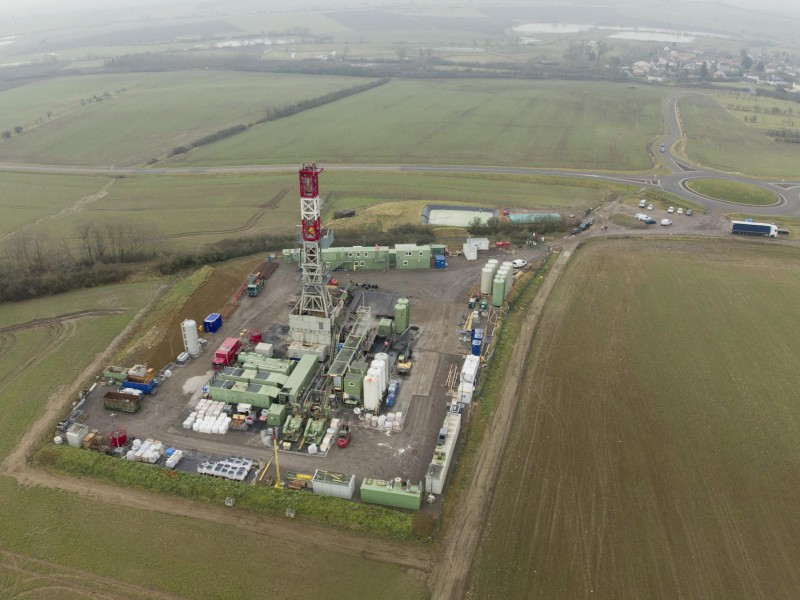
How natural hydrogen, hiding deep in the Earth, could be new energy source
Natural hydrogen costs nothing to make and does not emit any carbon dioxide or other human‑caused pollutants.