New to Town: Quan Poole
Roll out the welcome wagon. In this series of folks "New to Town," meet Memphis' newest recruits. Learn what brought them here, what is keeping them happy here and how the city looks through their fresh eyes.
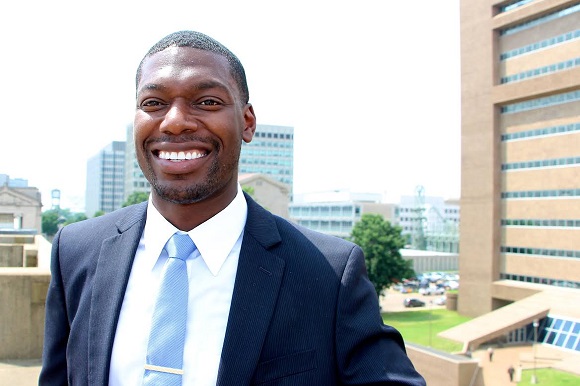
After graduating from law school in 2013, Southeast Arkansas native Quan Poole, 27, decided to start his career in criminal defense on the other side of the bluffs here in Memphis as an Assistant Public Defender for the Shelby County Public Defender’s Office. Like many native Memphians, Quan, 27, shares a love for food, sports and making a difference in the lives of his fellow citizens.
What attracted you to Memphis?
I went to undergrad at Arkansas State, which is in Jonesboro, so that was probably my first exposure to Memphis. It’s only an hour away; we’d come over for the Redbirds and Grizzlies. I went to law school in Knoxville for three years–and Knoxville was great, I really loved being there (Go Vols!)–but it was so far away from home. I wanted to get back closer and have an opportunity to see my family and friends more, but I wanted to stay in Tennessee and do Tennessee law. So I kind of pitched my hat here in Memphis and hoped for the best. Luckily it’s worked out well for me.
It was such a difference moving here compared to when I came here for a weekend to visit, going to (Memphis in May Beale Street) Music Fest. When I got here the first place I went to was Young Avenue Deli and I had a burger, which is one of the best burgers I’ve ever had. And I was like, “You know, I think I’m going to like this decision and living in Memphis.” And it has flowed ever since.
What has surprised you about Memphis?
Honestly, I think the fun that you can have. I made the decision to move here because I thought it would be a great place to practice criminal defense law and I wanted to be closer to home, but never did I think it would be as fun as it is. I couldn’t be happier with my decision to move here. It’s been so much more fun on so many different levels, and the experience has just surpassed any of my expectations.
At what point did you decide you wanted to go into the criminal justice field?
My first year in law school I was intrigued the most by it. After reading those cases, they pulled me in a lot more than my contracts cases and my property cases. After that first summer I did an internship with a judge in the criminal field, and I think that’s when it really started. My second year of law school the passion for indigent defense came from working with Legal Aid of East Tennessee. It’s analogous to the public defender’s office; they offer their services to people who can’t afford attorneys. But it’s all civil cases, whereas what I do now is criminal in nature. It’s a combination of offering that service to indigent clients and then also my interest in criminal law.
What unique opportunities exist for you here in Memphis?
Professionally, the unique opportunity is to work at one of the largest public defender’s offices in this region. The Public Defender’s Office of Shelby County is also the third oldest in the nation. So it’s an opportunity to learn from a bunch of great attorneys and people who are there and willing to help you, and you wouldn’t be able to do that in some other cities. And if you were doing criminal defense or indigent defense, the offices are a little bit smaller, so you don’t have as many minds to draw from.
Another unique opportunity, personally, is coming to a city where there is great food and the opportunity to be closer to my family. I’m a huge Grizzlies fan, so I love the chance to be here and grind with the Grizz and go to some of those games.
What would you like to see for the future of Memphis, or Shelby County, as far as criminal defense goes?
I would like to see an emphasis on social programs that help as many clients as we can outside of the courtroom. People commit offenses based on a variety of reasons, whether it be poverty, mental health or drug addiction. If we can find a way to maybe filter some of the people out of the criminal justice system or get them the help that they need, we may make sure they don’t reoffend. When someone has an addiction problem, it’s not going to help them to throw them in jail and throw away the key. It’s better to get them help for the addiction, and maybe if we can get them help and that problem’s fixed, they won’t end up back in the system. Same applies for mentally ill people. So we can put an emphasis on the actual rehabilitation of people in the system as opposed to just sentencing them to more jail time.
Author

Related Articles

Why ballot curing may be the next frontier for Michigan campaigns
A close mayoral election in 2025 shows how campaigns can earn more votes by reminding voters to fix issues with their signatures on absentee ballot envelopes.

How polling failures, gambling legalization and political gridlock paved the way for the explosive rise of prediction markets
On prediction markets such as Kalshi and Polymarket, users can stake real money on just about anything. But this isn’t simple entertainment: In theory, these wagers serve as a means of collecting the public’s insights into the future.
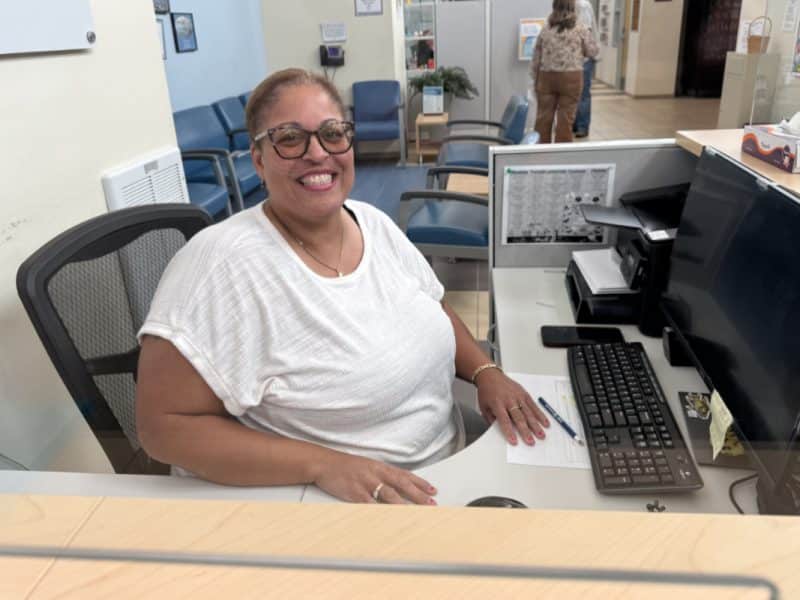
The quiet engine behind the work: CMH support services
Support services are the connective tissue between operational systems and the clinicians who provide care.