Historic properties are prime candidates for residential and mixed-use developments
The revival of legacy commercial, educational and manufacturing properties embraces sustainability, technology and adds housing.
Coverage of low-income and affordable housing solutions, housing developments, and resources for the unhoused.
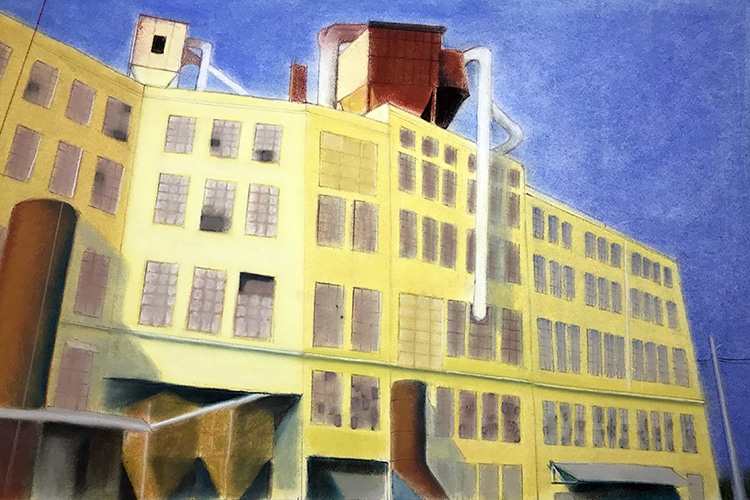
The revival of legacy commercial, educational and manufacturing properties embraces sustainability, technology and adds housing.
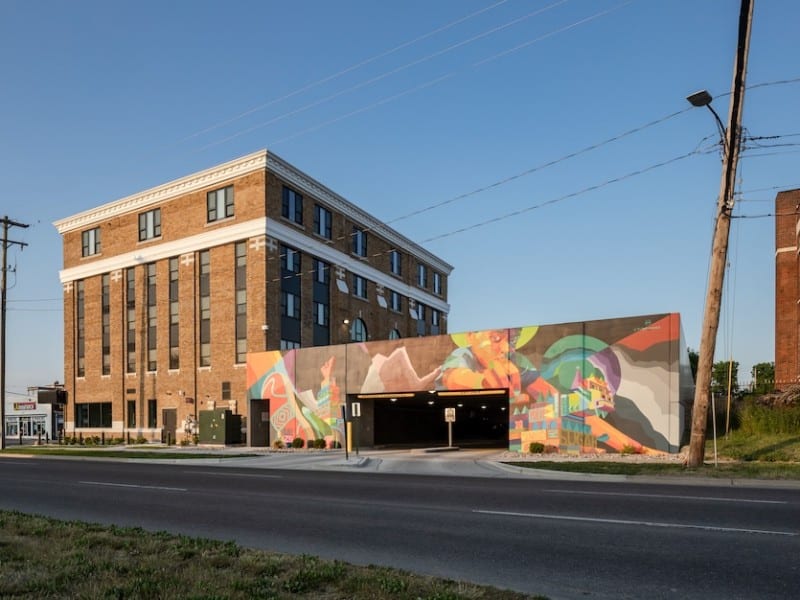
In order to create sustainable economic and community development, it takes a village, or in this case — an entire ecosystem of organizations, advisors, coalitions, CDFIs, and other collaborators to help foster a sense of place.
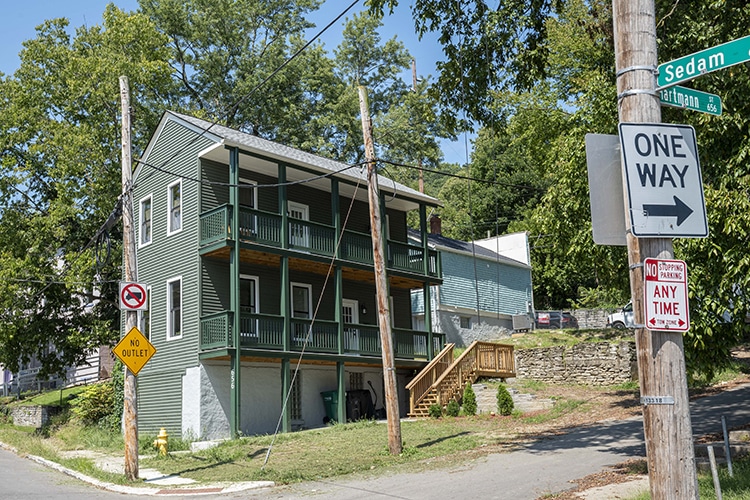
An $8.4 million investment is bringing homeownership and a renewed sense of possibility to one of Cincinnati’s smallest neighborhoods.

Evictions impact millions of kids. These schools get an alert when it happens to their students.
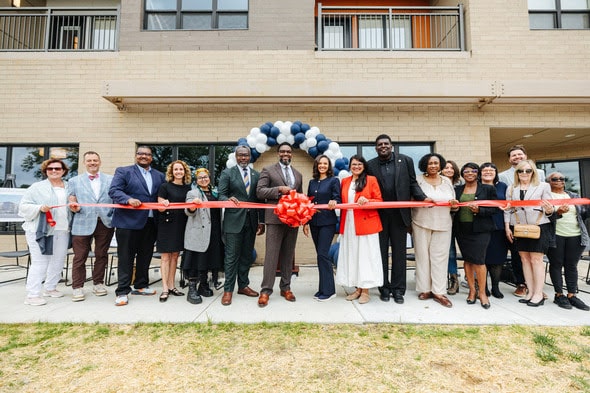
In the heart of Detroit’s Grandmont Rosedale neighborhood, a 42-unit, mixed-use development has given senior citizens brand-new affordable housing. Minock Park Place was seven years in the making, and marks the first affordable senior housing community in the neighborhood, located at 19505 Grand River Ave. — a vital commercial and cultural artery.
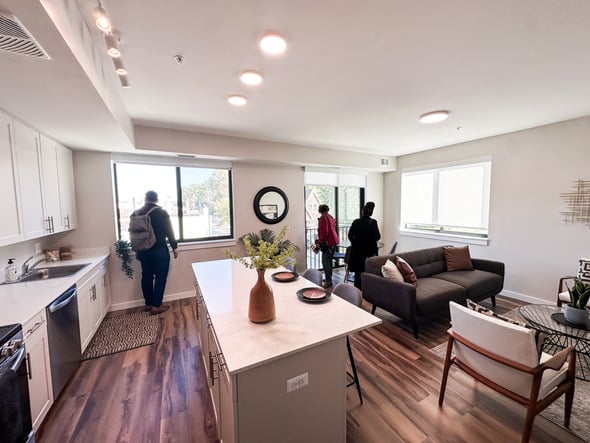
The second phase of the Detroit Housing for the Future Fund (DHFF) returns, offering communities across the city the opportunity for more affordable, stable neighborhoods.
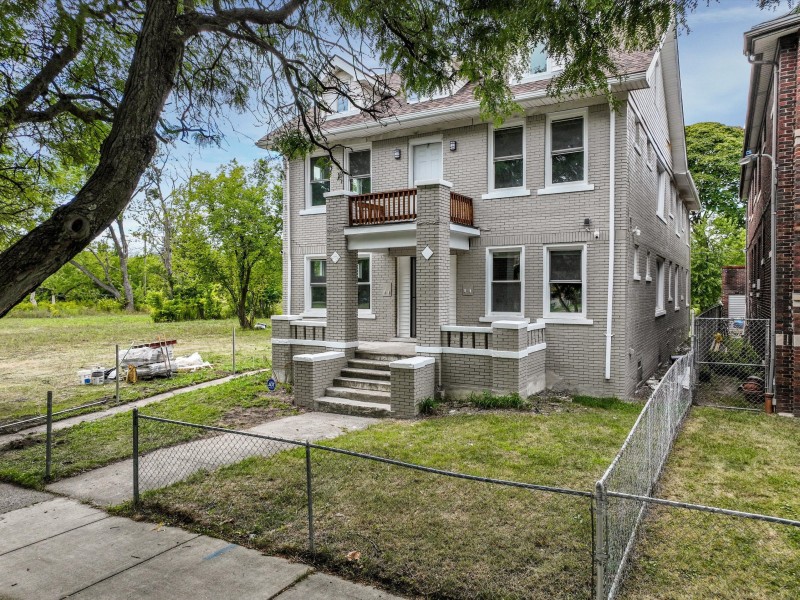
Community developers know, care for, and invest in their neighborhoods. Together with community development institutions (CDFIs), small development projects can have a huge impact on their neighborhoods, serving as a catalyst for future growth.
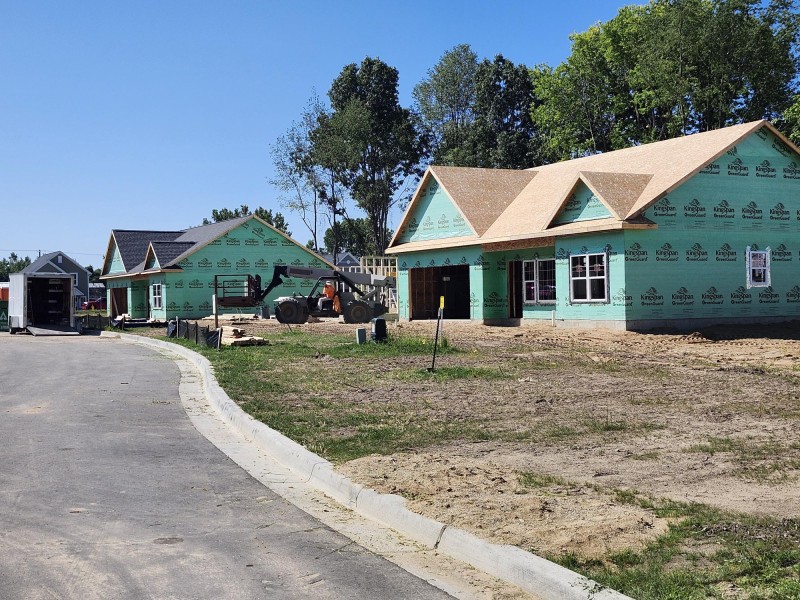
As the statewide housing crisis continues, communities of all sizes are looking at how to increase affordable housing options for current and future residents. In Kalamazoo County, the Portage Community Land Trust is helping residents become homeowners affordably with their new workforce housing development, Stanwood Crossings.
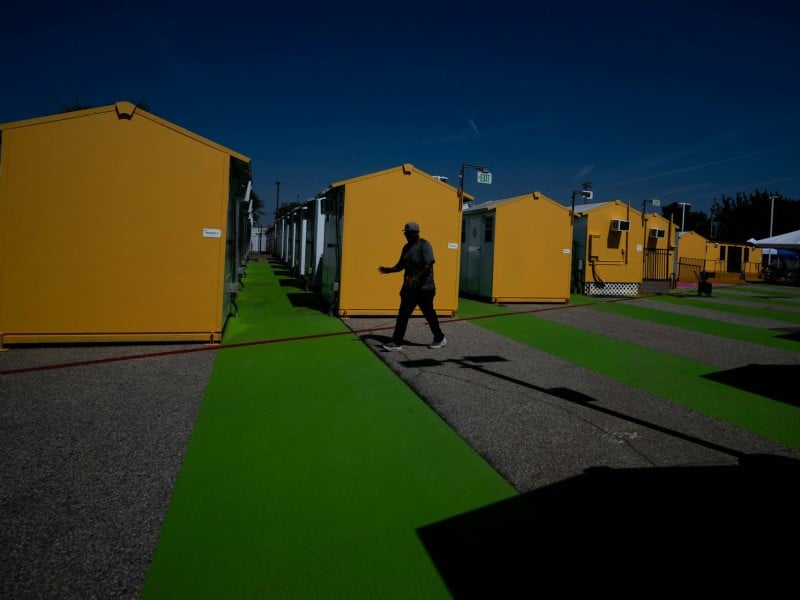
Tiny house villages represent a community-driven mechanism for people to find housing and community amid poverty and exclusion.
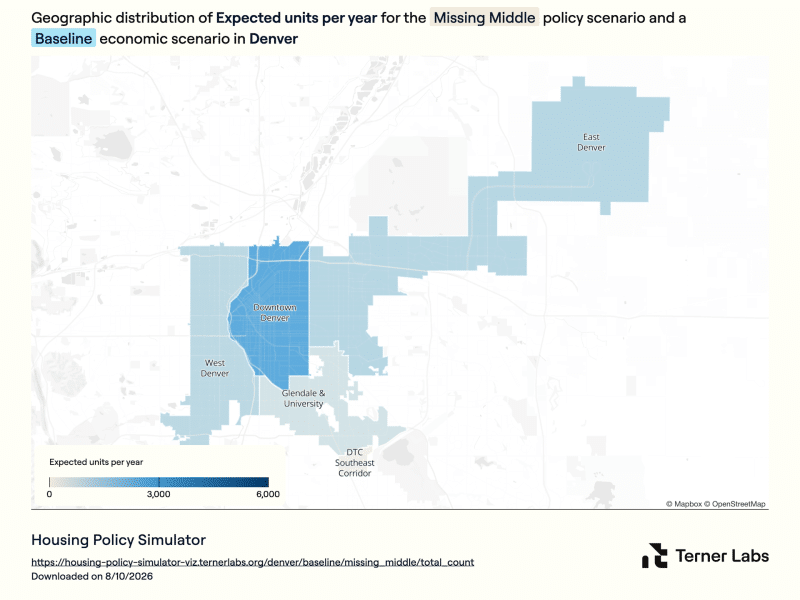
Which public policies will have the greatest success at producing more housing and lowering the cost of housing? We set out to examine these policies and others to understand their potential effects on housing production and affordability in Denver.
Our Partners