Filling the gap: How small-scale developments are reshaping neighborhoods
Brightpoint's Developer Loan Program helps small-scale developers build affordable infill housing, combating Fort Wayne's growing housing shortage.
Coverage of activities happening at the neighborhood level as told by the neighbors themselves. Coverage of the characteristics of given neighborhoods.
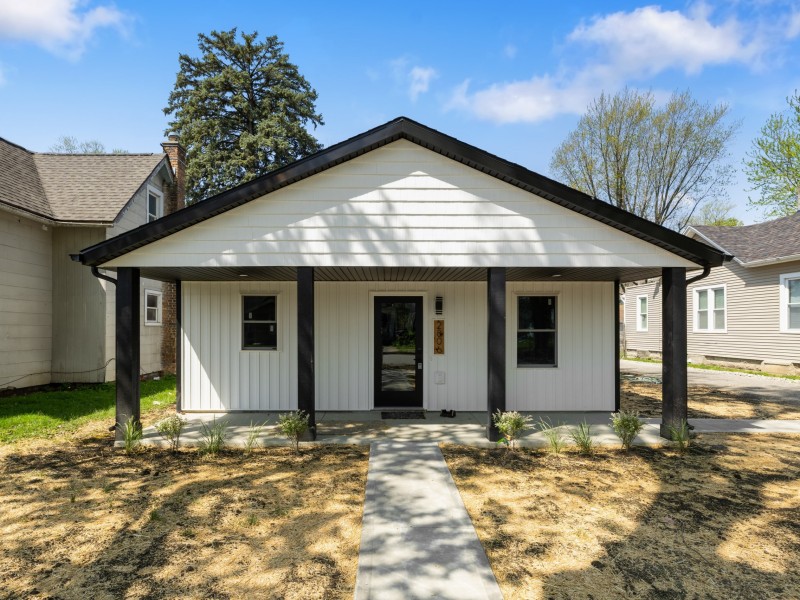
Brightpoint's Developer Loan Program helps small-scale developers build affordable infill housing, combating Fort Wayne's growing housing shortage.
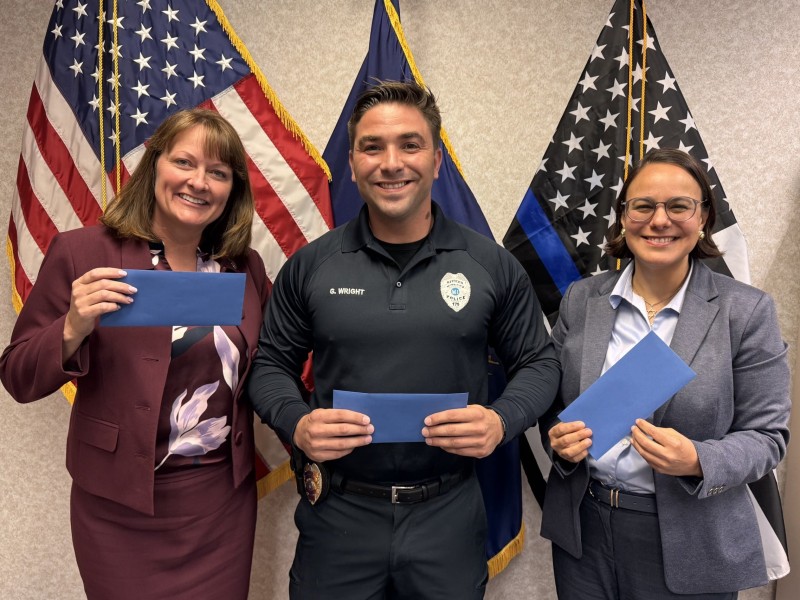
The Midland Police Department is introducing a new initiative designed to make interactions with law enforcement safer, less stressful and more inclusive for individuals with disabilities and communication challenges.
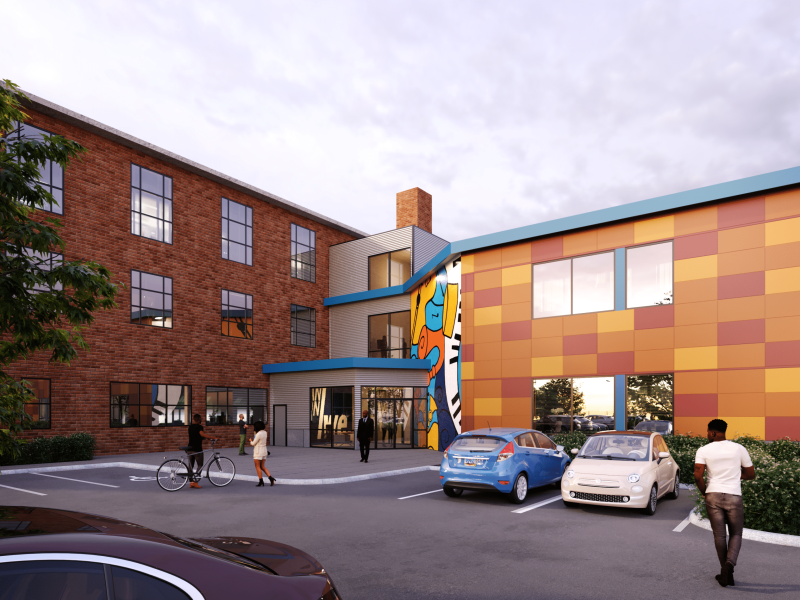
Life Remodeled has transformed a former vacant school building, with financing help from IFF, to its second opportunity hub. Anchor Detroit, a campus in East Detroit, provides residents with economic, educational, and environmental mobility opportunities.
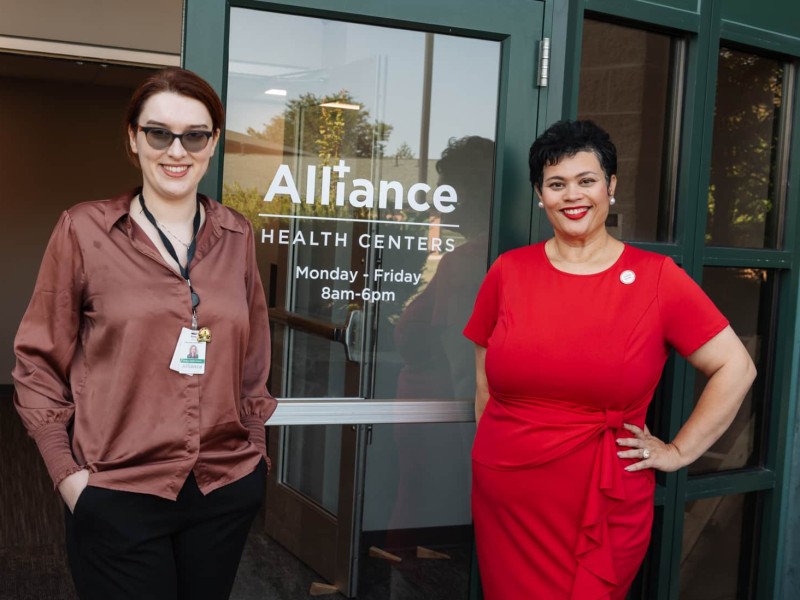
The new clinic offers prenatal and postnatal care, behavioral health services, developmental support, and pediatric therapies in one accessible location at the Fort Wayne Urban League.
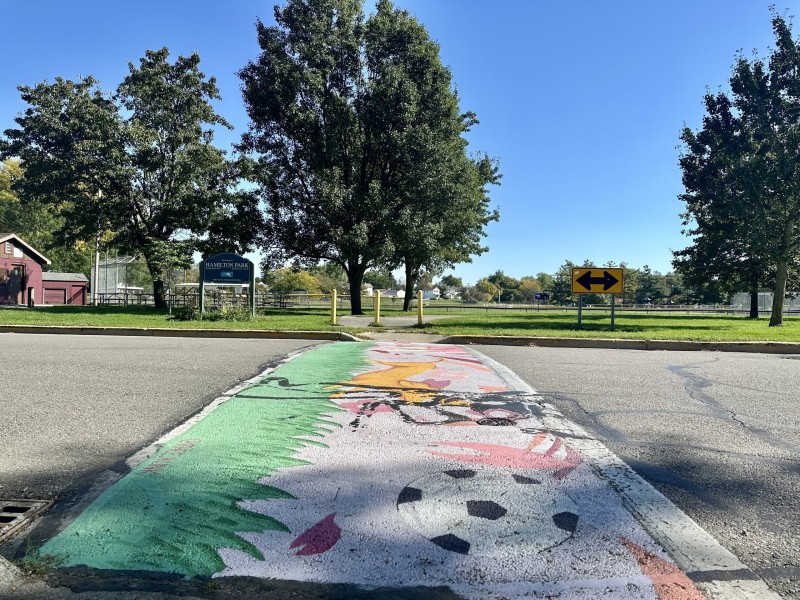
The FORT-ify Neighborhood Accelerator empowers local associations with connections to funding, resources, and face-to-face engagement opportunities to build stronger communities.
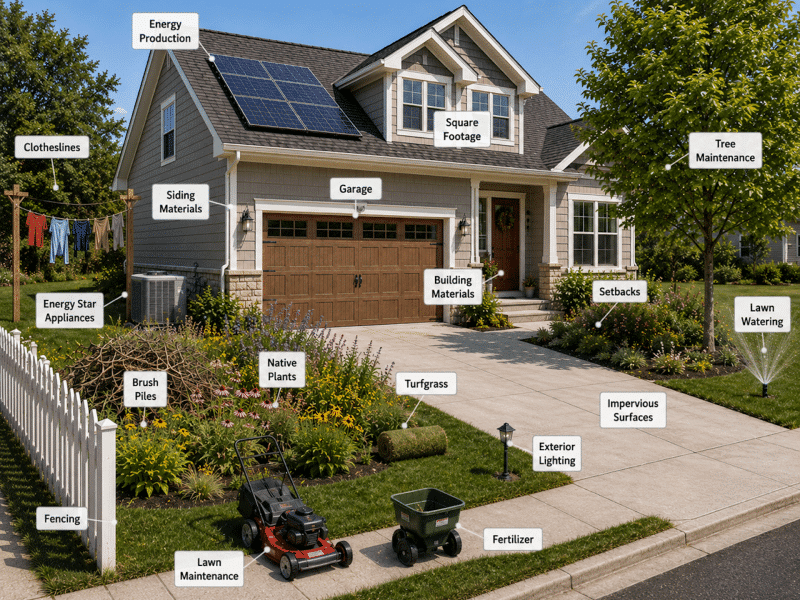
Some HOAs have evolved to encourage environmentally friendly yards, particularly in the desert Southwest, but many more throw up barriers to sustainability.
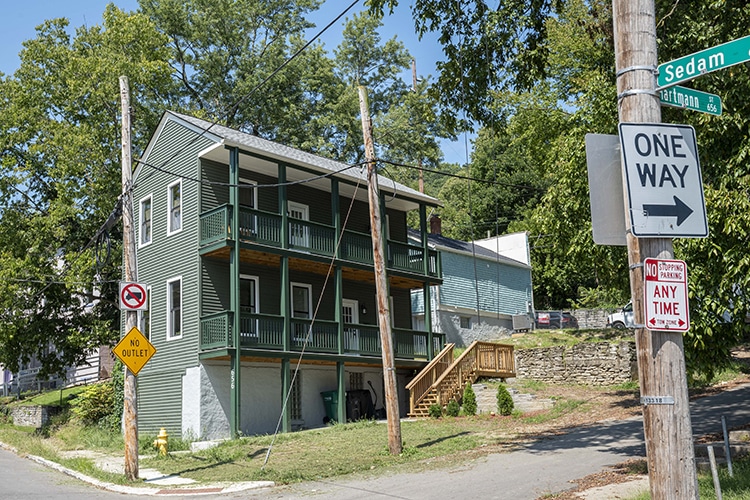
An $8.4 million investment is bringing homeownership and a renewed sense of possibility to one of Cincinnati’s smallest neighborhoods.
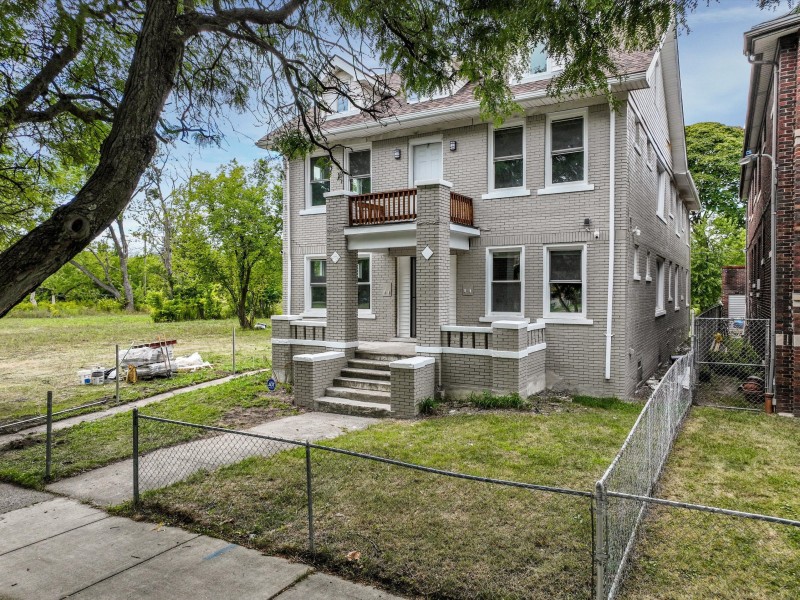
Community developers know, care for, and invest in their neighborhoods. Together with community development institutions (CDFIs), small development projects can have a huge impact on their neighborhoods, serving as a catalyst for future growth.
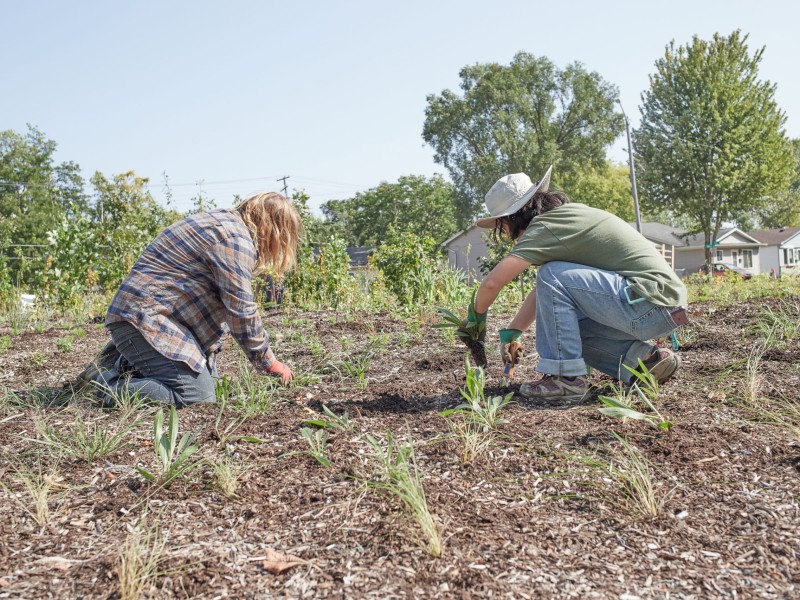
Whether you call them micro, mini, or pocket forests, they are taking root around the world — and in metro Detroit. They help the environment, provide refuge to native species, and respite to people seeking green spaces — especially in urban areas.

Proactive rezoning removes some of the burden previously placed on residents, while helping shape and preserve neighborhood development.
Our Partners