Under one roof: CEDAM’s rural boot camp in Gaylord brings folks together to drive affordable housing development
CEDAM hosted a rural real estate development boot camp in Gaylord last month, bringing together emerging developers, city officials, nonprofit housing developers, financers, and other community stakeholders under one roof. The goal of the intensive five-day training is to help drive affordable housing development.
Block by Block is a solutions journalism series that is supported by CEDAM, Invest Detroit and MI CDFI, and is focused on community development leaders and initiatives in Michigan, Ohio and Indiana.
Community members, nonprofit housing development staff, city officials, and other stakeholders all came together under one roof to participate in the fast-paced, hands-on Rural Real Estate Development Boot Camp. The multi-part training program hosted by Community Economic Development Association of Michigan (CEDAM), took place in Gaylord last month.
23 participants attended the intense training with potential community-driven affordable housing development project pitches, learned valuable tips from presenters and formed personal connections through networking.
Teresa Gillotti is the real estate program manager for CEDAM, and helps host the two bootcamps twice a year, providing support to the larger real estate development ecosystem.

“Both the core real estate development boot camp and the rural boot camp are five-day, intensive training,” Gillotti says. “We work with a host community to learn about what’s going on in their community, and hear their approach to housing development.”
At the camp, CEDAM works alongside many partners including banks, CDFIs, funders, and experienced developers to help educate many first-time housing developers on the ins and outs of development.
“We bring in developers who actually have experience and they’ll tell their stories, provide case studies, and help teach some of the sessions,” Gillotti says. “We bring in local units of government who do some of the approvals related to site plans and other permits. We have statewide partners like the Michigan State Housing Development Authority (MSHDA) and the Michigan Economic Development Corporation (MEDC) talk about their programs.
Discussions focus on what different kinds of development teams, how to pick a suitable site, what types of housing to use, how to market them, incentives and financing, and how to build and manage the developments.
The community of Gaylord proved to be a suitable hosting location because an engaged city manager welcomed housing conversations, and alumni from the inaugural rural boot camp in Frankfort were also based there.
“Gaylord is at an interesting crossroads of two highways, they’re a really important commercial district job center for Northern Michigan, and they’re really feeling the need for housing,” Gillotti says. “It is a big topic of conversation, so we thought it would be a really good place to hold our training.”
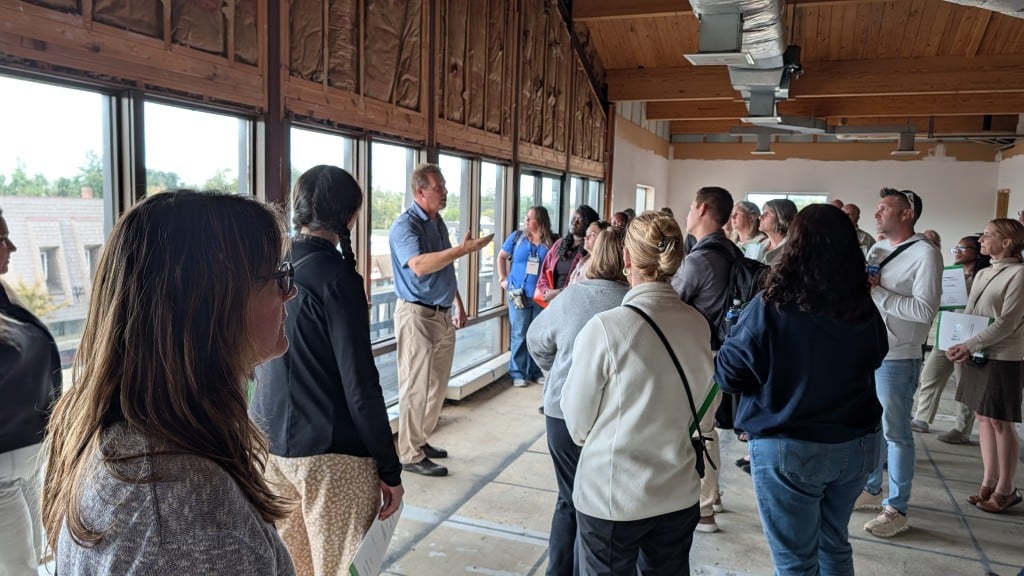
An Otsego County Housing Needs Assessment from 2024 showed that the community’s two primary housing needs are more single-family units for homeowners as well as additional rental units for workforce and market-rate households — particularly in Downtown Gaylord.
The boot camps often bring together many different players in the development realm, including city staff, local and regional economic development alliances, business members, developers, real estate agents, and community members.
Advocating for Otsego’s specific housing needs
“In Gaylord, there’s an incredible group of people that are all part of this Otsego Housing Task Force that are truly trying to identify opportunities, and addressing the need by figuring out what kind of actions they need to take,” Gillotti says. “‘Do we need to change zoning, do education, or recruit developers?’ They’re looking at the whole picture and trying to make it happen.”
Karin Beyer is the chairperson of the Otsego Housing Task Force.
“A lot of rural Northern Michigan counties don’t have a task force,” she says. “With the support of the Otsego Community Foundation, a task force was formed with a diversity of members that had advocacies for housing. There could be an engineer, builder, real estate agent, banker, planning and zoning, and other people that want to be involved.”
Representing larger communities like Gaylord as well as smaller townships including Elmira, and Johannesburg, the group advocates for homes, apartments, duplexes, senior centers and other forms of shelters.
“We also educate the residents with knowledge about surveys, zoning and such, as well as property development to see where there are properties that could get developed,” Beyer says.
Beyer attended the 2024 boot camp alongside others on the Otsego Housing Task Force. In 2026, she was part of the panel as a presenter sharing what the task force has accomplished over the past two years.
“Our presentation covered both the pros and cons of living in Northern Michigan, and rural Northern Michigan housing,” she says. “Every community realizes we need housing, I think. Even those people who don’t want a development in their backyard — they even say we need housing. It’s just how we communicate and how we reach an understanding if the developer is in their backyard.”
Breaking down those barriers between residents and developers is crucial. Beyer encourages fellow residents to get involved, voice their concerns and volunteer to learn more.
“I would say to educate yourself, to go to planning and zoning meetings, to not just read social media, to reach out and ask who you can talk to in order to learn more of the facts,” she says. “Reach out to your local housing task force, and see where your talents can be used. Maybe you can be a speaker, or help at a development open house, or help with an educational piece.”
Beyer has always considered herself active in the community via the arts, the schools, and hospitals — feeling drawn to donate her time and talents. As she expands her volunteerism to the housing development community, she believes civic action with an open mind is very important. Beyer recommends anyone even thinking about attending CEDAM boot camp to attend.
“Say ‘yes’ to the boot camp. If it has to do with being involved with your community, always say yes. Always ask questions, and do not rely on social media for your answers,” she says.
Seeing is believing: touring the development sites
One tour stop included a walkthrough of a small-scale development of two duplexes built by Tanner Catt of Catt Development. The family business began with a grocery store chain across Northern Michigan in 1959. After selling the grocery store chain in the nineties, the company transitioned into building shopping centers, and a hotel. Today, they are more involved in economic development projects.
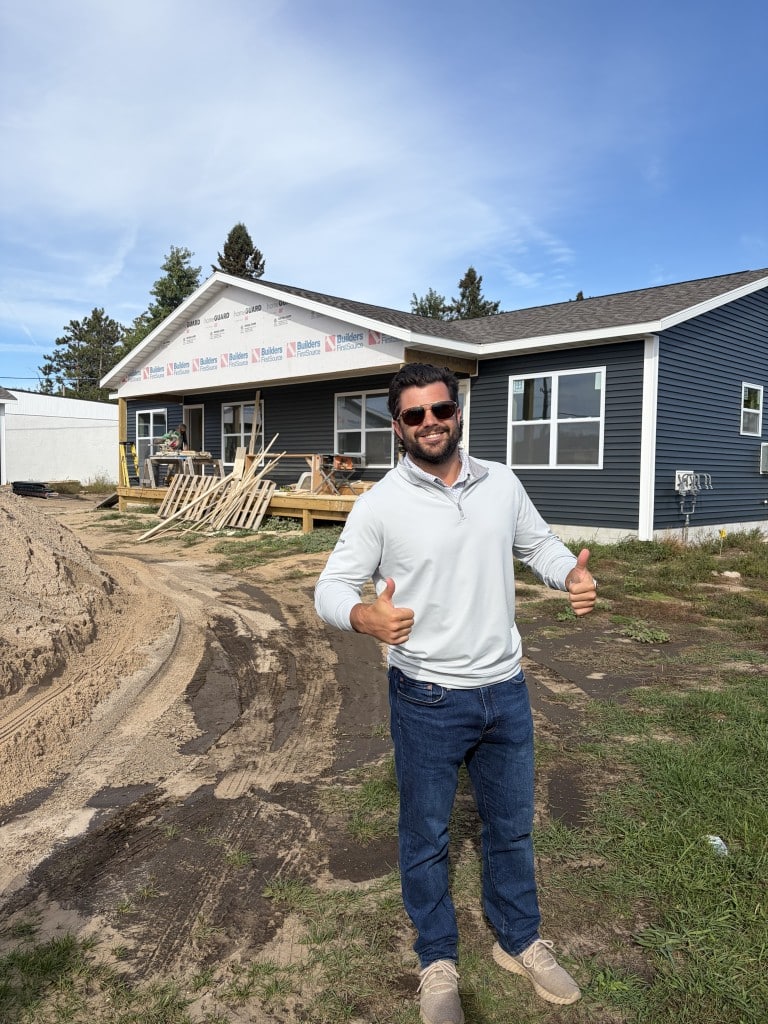
Catt also attended the inaugural 2024 boot camp in Frankfort, and has been inspired to shift his own focus to housing.
“Over the last seven years, I tried maybe 500 different projects, and none of them penciled,” he says. “I finally got one that penciled, and it was a good opening act for our housing development. Right now, they’re doing the parking lot and completing it right now — four units, two duplexes on a lot we owned in Gaylord. It’s a Housing TIF project so the incomes are for 80-120% AMI.”
Catt says housing is needed all over the country, and it’s been ‘cooler talk’ in Northern Michigan for years.
“For us, the conversation was really about how we can increase the supply,” he says. “Duplexes was one of the options. In Northern Michigan, it’s harder to build vertically, so that’s why we landed on more options like garden-rise apartments and duplexes.”
The entrepreneur says although it’s much easier to underwrite shopping centers, hotels and commercial developments, it’s more rewarding to complete these housing developments. Getting to meet the future residents and seeing the impact has been inspiring.
“It’s awesome because for some of these people, it’s their first apartment and they were struggling to find any type of housing in town even though they’re making good incomes,” Catt says. “80% AMI is someone making $50,000 in this town, and 120% AMI is $75,000. It’s been rewarding giving them a place, and they’re very grateful. It’s a type of relationship I don’t really get when I’m working with a national retailer on a project. The human interaction side has been fun.”
Having switched from student to presenter, Catt is happy to feel the reassurance from those who toured his duplex development. Local residents are also excited to see something like this happen in Gaylord, and are eager to see an increased supply of similar units.
“The community, the City of Gaylord, the Otsego Economic Alliance have all been helpful,” Catt says. “A lot of public, private partnership and a lot of moving pieces. It took the whole village to make it work.”
Gillotti enjoys seeing participants get to learn from others who went through the same process.
“It’s inspiring for folks to see people like Tanner and the other developers and partners,” she says. “It’s really the best when we get to see a success happen, learn how it went for them, and have them share the good, the bad, and the ugly. It is hard to be a developer, there are a lot of challenges. It’s really great that people are willing to share their experiences, let others learn from it, passing the torch and keeping the momentum going.”
Longlasting networking connections continue in coffee shops and on construction sites
Valuable connections from conversations at bootcamp often lead to other coffee shop meetups, referrals of architects, meetings with credit unions or banks, or construction companies.
Catt admits he still leans on many of the connections he made at the 2024 boot camp today in his projects. Many of the folks he met years ago are ones today he is quick to call on the phone with any questions.
Brett Bowen is vice president, senior commercial loan officer with Horizon Bank, one of the boot camp’s local funding partners. Bowen works out of the downtown Gaylord Horizon Bank office. More than 850 trusted advisors scattered across 70 branch locations in Indiana and Michigan, 850 trusted advisors, more than 1300 customers have benefited.
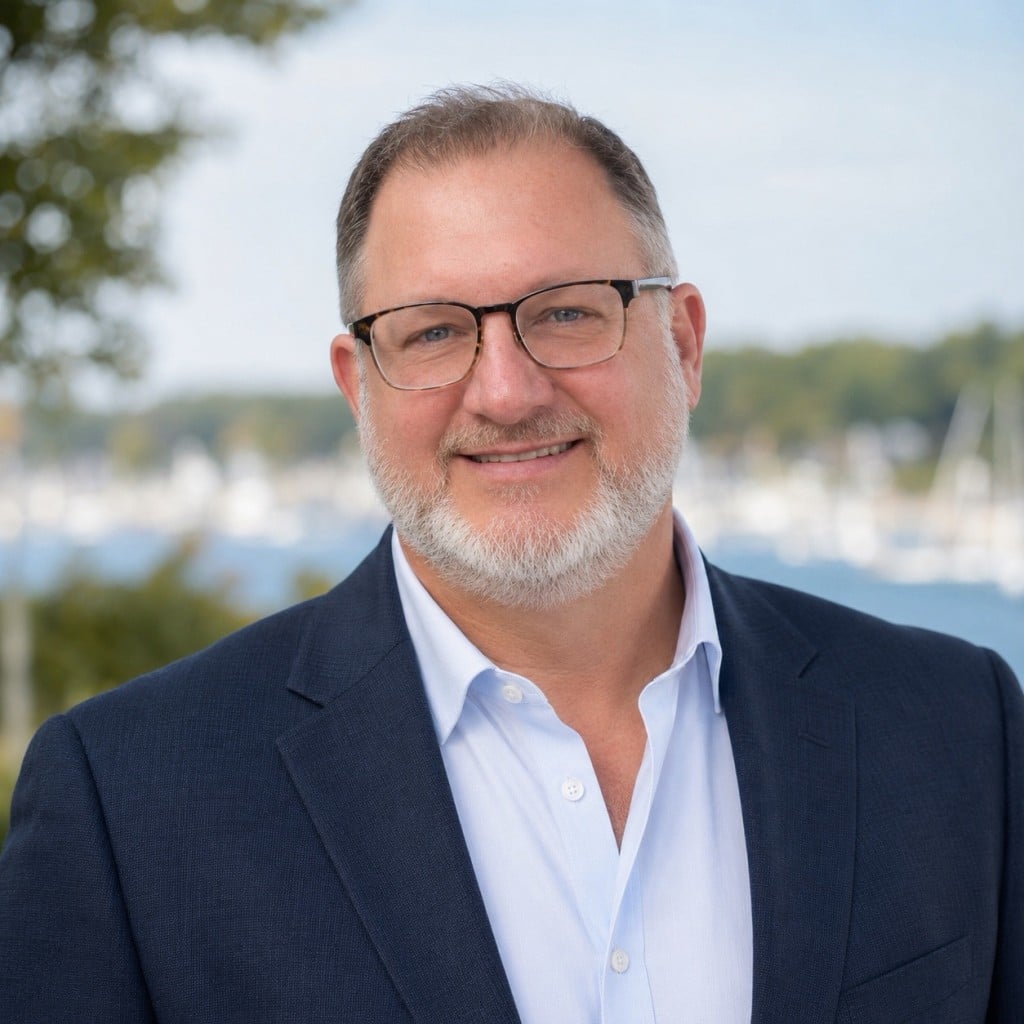
“At Horizon Bank, community outreach and community reinvestment is something that we pride ourselves in,” Bowen says. “We recognize that affordable housing is not just a problem in our backyard in Gaylord, not a problem in Michigan — but it’s a nationwide problem.”
Although the market is eager to find people willing to step up and try their hand at tackling new development, Bowen says the time and money it takes can be prohibitive.
Bowen attended much of the boot camp, in addition to presenting at the event.
“I found it really beneficial to see what my prospective future clients, investors, and community partners are learning, what they’re going through, and their preparation,” he says.
Attendees got to walk through real properties, learn about their uses, how to serve the community’s needs, and discuss types of funding.
“As part of their culmination at the very end, they presented to a panel. All of the projects were fantastic and there were some I actually told, ‘if you’re able to get this put together, find funds that aren’t just hopeful, but rather committed — and you want to move forward on this, give me a call. Stay in touch, because this has merit.’”
For Bowen, being able to see thriving income-based, accessible downtown Gaylord apartments is rewarding.
“I love to be a part of those,” he says. “The altruism behind it is great. It’s good for the community. It’s good for the bank. It’s good for me and feeds my soul. As a member of the community, I like to see us grow.”
Related Articles
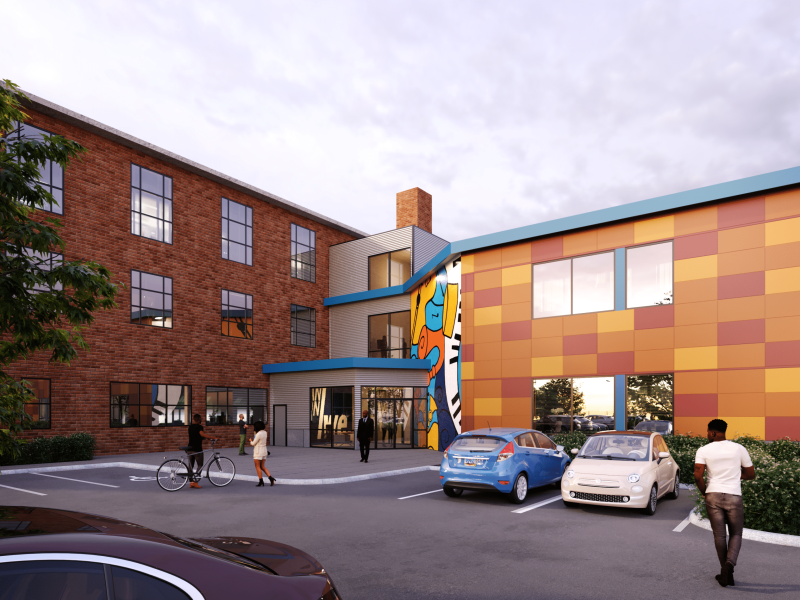
Life Remodeled transforms vacant school into opportunity hub campus for East Detroit neighborhood
Life Remodeled has transformed a former vacant school building, with financing help from IFF, to its second opportunity hub. Anchor Detroit, a campus in East Detroit, provides residents with economic, educational, and environmental mobility opportunities.
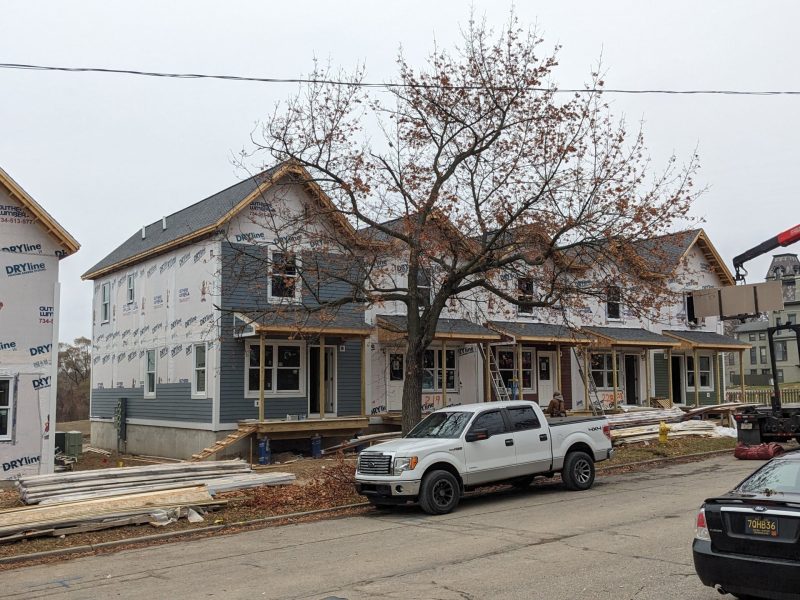
CRA proposed rollbacks could mean roadblocks for community development
Recently proposed rollbacks to the CRA would weaken bank obligations to invest, lend, and provide services to low and moderate-income communities. These rollbacks would be roadblocks to positive, impactful community development.
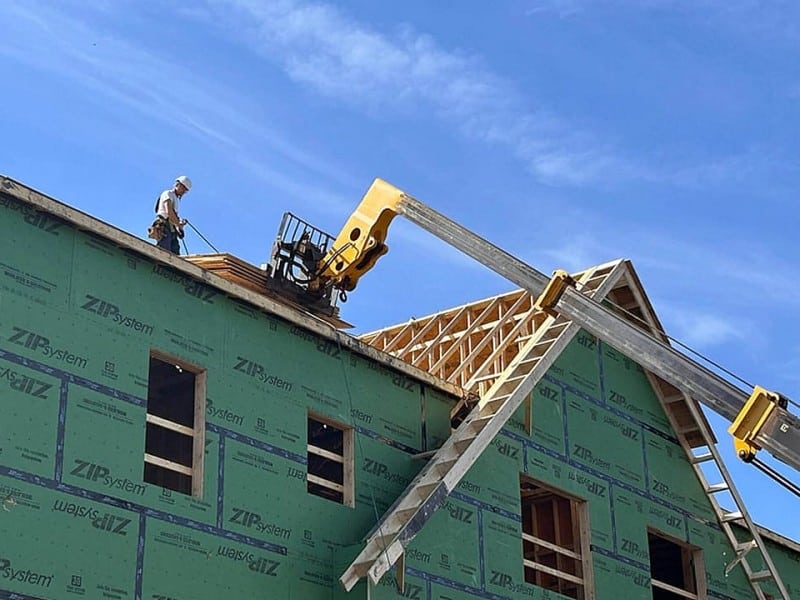
Voters to weigh different approaches to housing affordability in November
Voters in four states will decide housing-related ballot measures in November, providing testing grounds for different strategies to boost affordable homes.