Family-owned groceries are hallmark of The Heights
Stepherson's Food Store and Montesi's Supermarket are living pieces of Memphis history, but for residents of The Heights, they're just great places to get groceries.

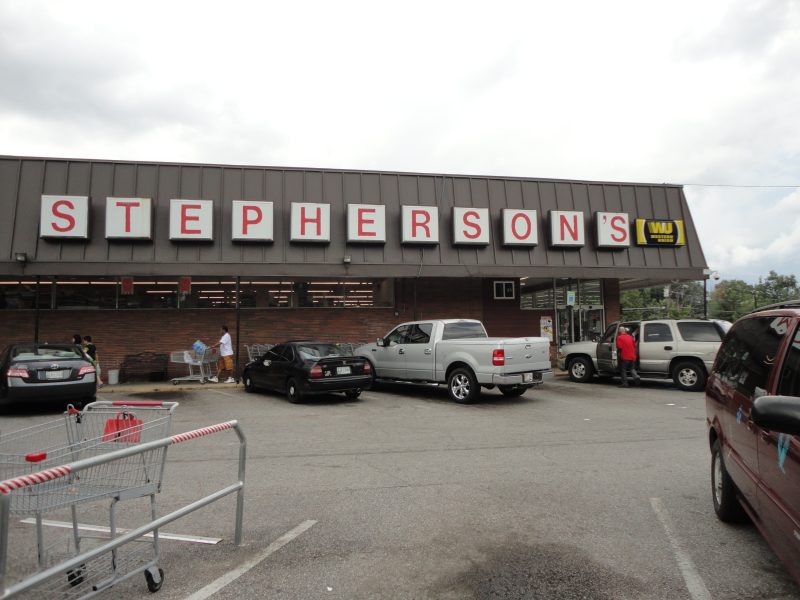
Stepherson's Food Store and Montesi's Supermarket are living pieces of Memphis history, but for residents of The Heights, they're just great places to get groceries.
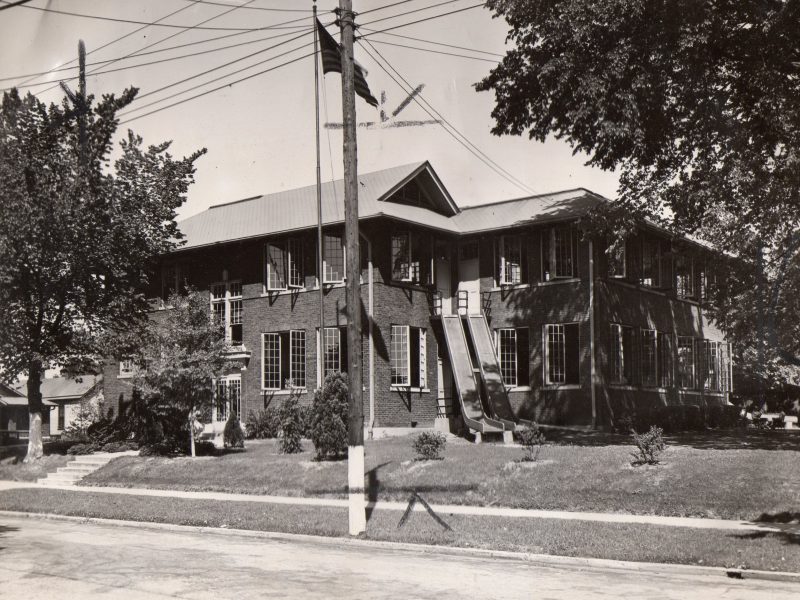
Before the Keel Avenue School opened, Black children with physical handicaps were unable to attend classes. With a little help from DJs at WDIA, their education was possible.
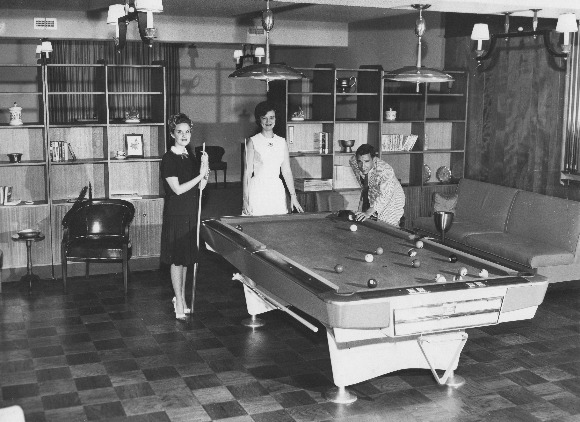
Bunking for 52 people, a commercial kitchen, a pool table and a morgue made up one Memphian's dream to survive nuclear fallout by constructing one of the country's largest private bomb shelters.
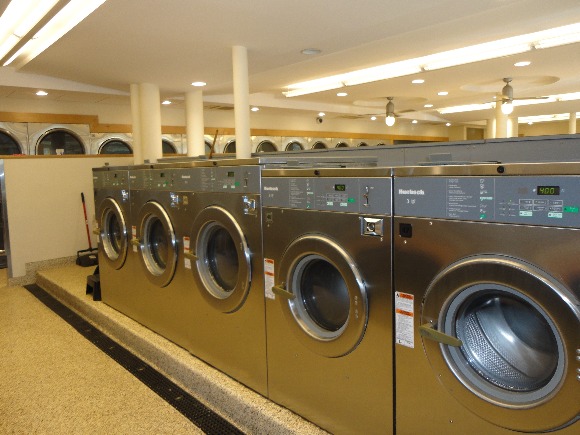
South Memphians can take advantage of social services, like tax preparation or HIV testing, while they wait for their laundry to finish at the nonprofit-owned Social Suds Resource Center.
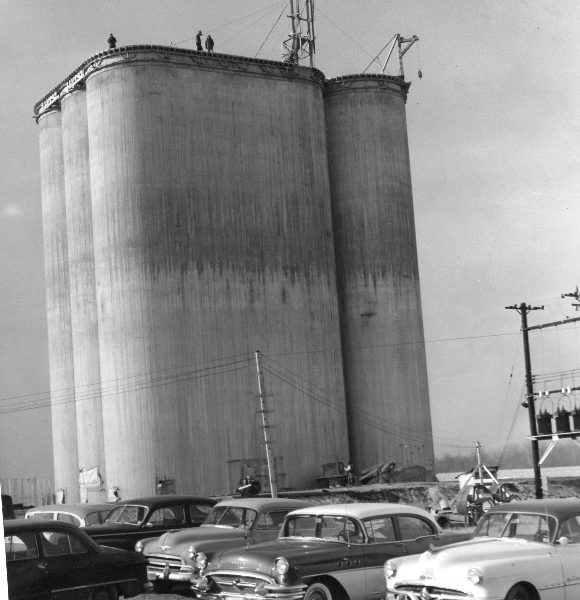
Memphis' main industrial park and connection to Mississippi River transit was once considered as a site for the Shelby County Penal Farm.
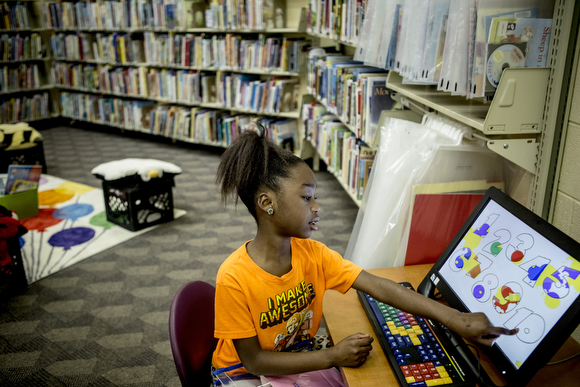
The Cornelia Crenshaw library, located at 531 Vance Avenue, opened in 1939 as the first library branch open to Black Memphians.
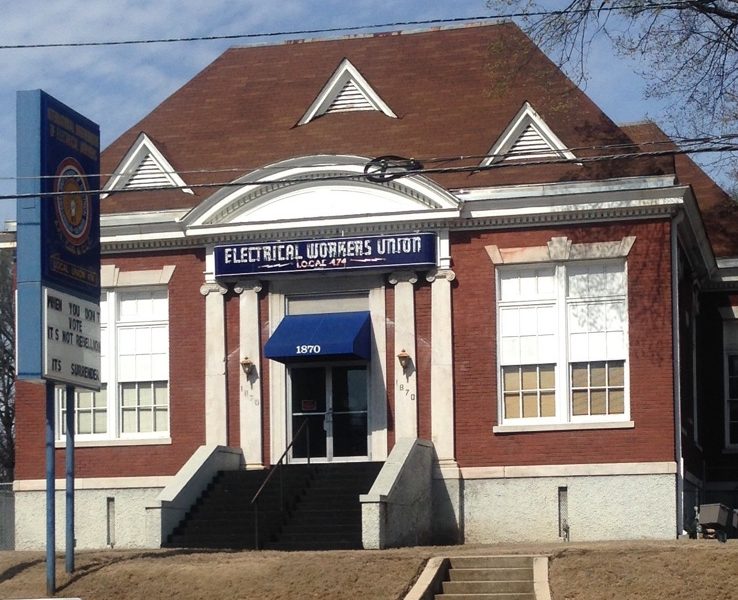
Perhaps the most well-known Memphis union story is the most tragic one: the 1968 sanitation strike by members of AFSCME, Local 1733 that brought Dr. Martin Luther King to Memphis and unfortunately sealed his fate. Union buildings in Memphis, and the changes that have happened to them, reflect the history of the city. Today, the landscape for unions, like in years past, is not without its issues.
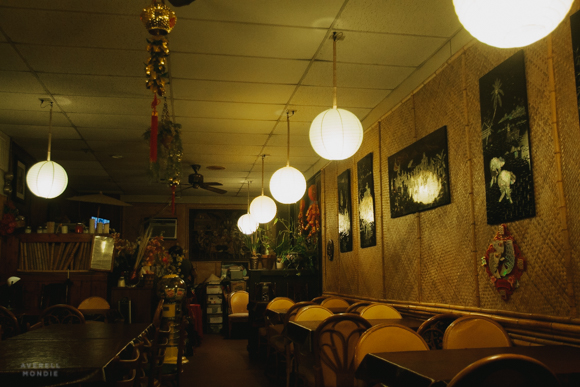
More than 3,000 Vietnamese immigrants call Memphis home. Their contributions to the city wouldn't have been possible without local support from nonprofits and the Catholic community.
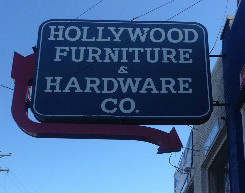
Hollywood Furniture and Hardware Co. has been on the same corner and has been owned by the same family since 1924.
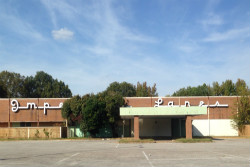
With a sit-down restaurant, childcare and an in-house television studio, Imperial Bowling Lanes resembled a glittery casino more than a Summer Avenue local business.
Our Partners