The quiet engine behind the work: CMH support services
Support services are the connective tissue between operational systems and the clinicians who provide care.
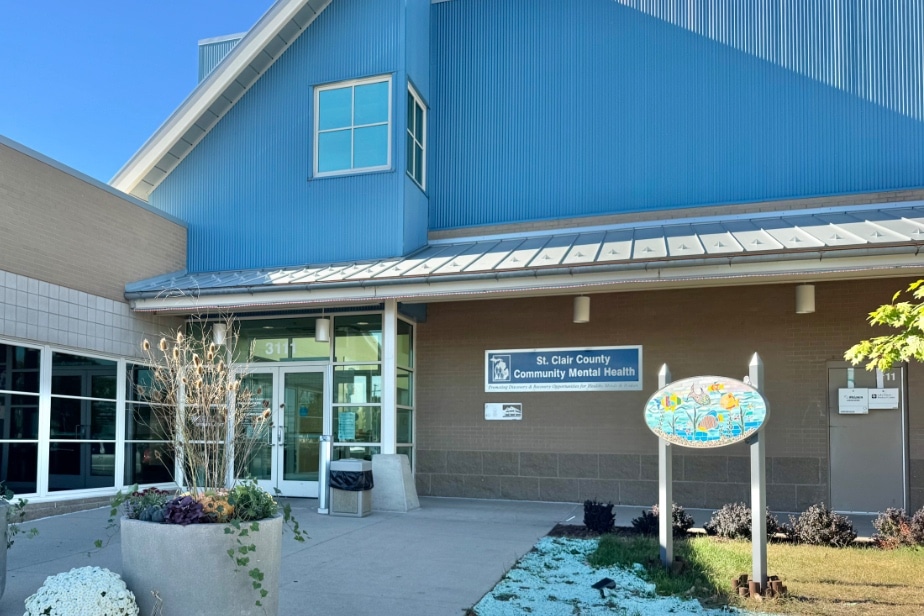
St. Clair County Community Mental Health in Port Huron.
At St. Clair County Community Mental Health (CMH), thousands of residents receive behavioral health services each year. Services range from counseling and crisis support to specialized programs for individuals with complex needs.
Much of that care happens in therapy rooms, clinics, and community settings. But behind every appointment, treatment plan, and program expansion is an infrastructure ensuring everything runs smoothly.
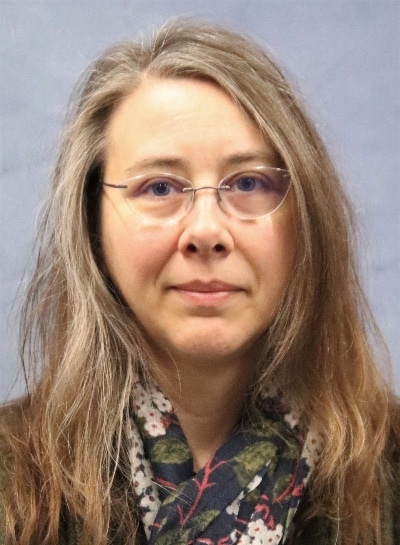
For Michelle Measel-Morris, support services director at St. Clair County CMH, that infrastructure is where her work lives. As part of the agency’s leadership team, Measel-Morris oversees a wide range of operational systems that support the organization’s ability to operate and efficiently deliver care.
“Support services are part of the leadership team here at St. Clair CMH,” Measel-Morris says. “And I manage quite a few different sub-departments.”
Those departments span much of the agency’s internal backbone. Her team manages data analytics and reporting, quality management, utilization reviews, agency accreditation processes, and compliance requirements tied to state and federal oversight. They also oversee electronic health record systems, medical coding, provider insurance enrollment, telehealth infrastructure, and specialized waiver programs, including services for autistic individuals.
While clinicians provide care directly to individuals, Measel-Morris and her team ensure the systems behind that care are functioning accurately and efficiently.
“I spend my days working on many of those things, multiple projects, meetings, and a lot of troubleshooting within the electronic health record to keep things rolling as well,” she says.
The work most people never see
Because support services operate largely behind the scenes, much of the work Measel-Morris and her team do can easily go unnoticed by the public. Yet the accuracy of that work can shape everything from organizational funding decisions and program improvements to the overall functioning of the agency’s behavioral health programs.
“One thing that is really important is the attention to detail,” Measel-Morris says.
Compliance requirements and quality initiatives demand precision. Her team ensures that complex reporting requirements, audits, and program documentation meet strict state and federal standards. The data they manage must meet strict reporting standards and deadlines while reflecting the realities of programs serving the community.
“It’s not just working in a spreadsheet,” she says. “It’s all those little parts and pieces that matter.”
Those little parts include everything from quality reviews and data reporting to ensuring documentation aligns with changing program requirements and regulatory guidance. While their work rarely involves direct interaction with clients, its impact reaches far beyond the office.
“A lot of what we do is completely behind the scenes,” she says. “But the work that we do in data and quality supports clinical decision-making.”
The information collected and analyzed by her team can influence program improvements, guide training for staff, and inform how services evolve over time — all of which ultimately influence the services available to residents. In many ways, the support services department acts as the connective tissue between the operational systems that track care and the clinicians who provide it, ensuring the agency’s work remains both effective and accountable.
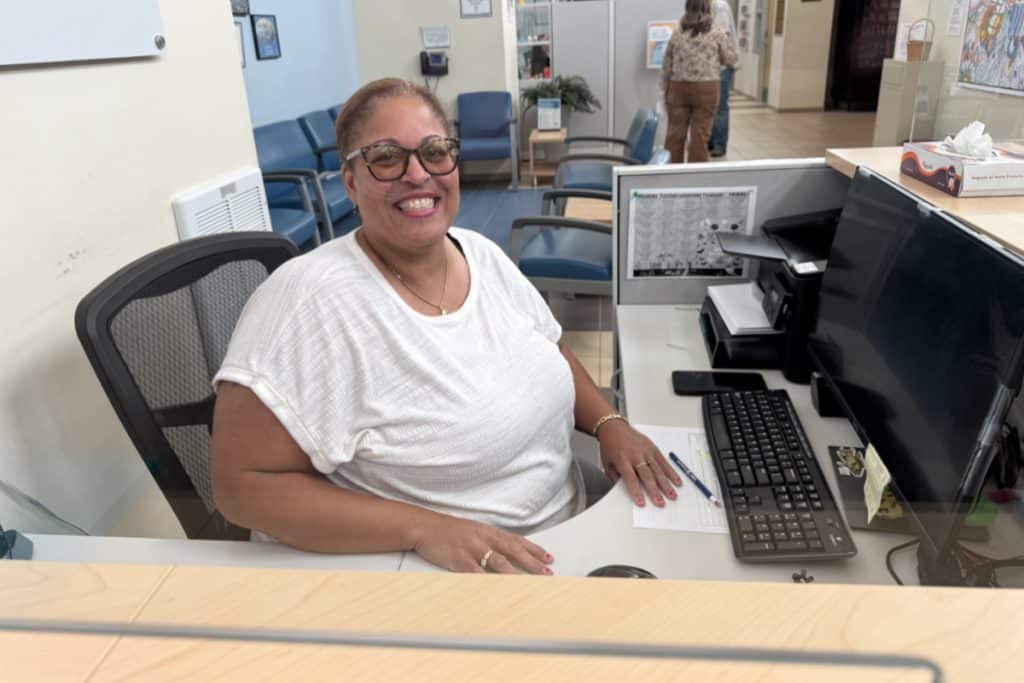
Pictured: Sonya Harvey, administrative assistant
The people behind the numbers
For Measel-Morris, the numbers she reviews each day carry a deeper meaning. Earlier in her career, she worked directly with clients as a supports coordinator on the St. Clair CMH Assertive Community Treatment team, which assists individuals living with severe mental illness. That early experience on the front lines of care continues to shape how she thinks about the technical side of her work today. What may appear as metrics or reports in a system represents real individuals navigating mental health challenges and relying on services for support.
“That experience reminds me how every day that I touch numbers, raw data, statistics — that data is all the data from actual people,” she says.
That perspective helps ground the detailed work of compliance, reporting, and program oversight in its larger purpose of improving services and strengthening support for the community. Keeping that connection in mind helps ensure that the operational side of mental health services never loses sight of the people those services are meant to support.
“You know, helping those people is really the reason why our work here is so important,” Measel-Morris says.
Working in support services also means adapting quickly to changes in regulations and program requirements. Because community mental health agencies operate within complex state and federal systems, even small policy shifts can ripple through how services are documented, funded, and delivered. New policies from agencies such as the Michigan Department of Health and Human Services and the federal Substance Abuse and Mental Health Services Administration can affect documentation standards, billing codes, and program structure and require immediate adjustments to systems and workflows. .
“A very common challenge is how frequent … the landscape changes,” Measel-Morris says. “There’s a lot of new program requirements that happen sometimes without a lot of notice.”
When that happens, Measel-Morris and her team must quickly interpret new guidance, assess how it affects current programs, and determine what updates are needed across documentation, data reporting, and staff training. Flexibility is essential.
“You have to love change to work in our area,” she says. “I would say that that sometimes is the most interesting and sometimes the most challenging piece of our job.”
While the pace of change can be demanding, it also reflects the evolving nature of behavioral health systems and the ongoing effort to strengthen how care is delivered to communities.
Supporting a growing community impact
St. Clair County CMH’s expansion as a Certified Community Behavioral Health Clinic has allowed it to significantly increase the number of people receiving services.
“We’re now serving over 7,000 unique individuals a year,” Measel-Morris says. “That’s a lot of lives to impact.”
For Measel-Morris, the scale of that impact is a powerful motivator. She credits both the leadership team and the broader staff for the agency’s ability to meet the community’s needs — and points to the dedication of staff across the organization.
“I really appreciate being able to work on a leadership team that cares very deeply about this community and all of the individuals that we serve,” she says. “We do have extremely hard-working, intelligent people who really do provide a dramatic impact to CMH in this community.”
Photos by Leslie Cieplechowicz
Melissa Measel-Morris photo courtesy St. Clair County Community Mental Health.
The MI Mental Health series highlights the opportunities that Michigan’s children, teens and adults of all ages have to find the mental health help they need, when and where they need it. It is made possible with funding from the Community Mental Health Association of Michigan, Center for Health and Research Transformation, OnPoint, Sanilac County CMH, St. Clair County CMH, Summit Pointe, and Washtenaw County CMH and Public Safety Preservation Millage.
Author

Related Articles

Fewer options, fuller ERs: The behavioral health fallout of Medicaid cuts
MHA advocates for state funding that preserves behavioral health care and keeps rural hospitals open.