Project THRIVE: MSU launches $250K initiative to transform teen mental health in Flint
MSU’s Project THRIVE equips Flint residents to deliver mental health support to teens in trusted community spaces.

MSU’s Project THRIVE equips Flint residents to deliver mental health support to teens in trusted community spaces.

Three nonprofits collaborate on an 18-acre project creating 120 mixed-income homes, expanding affordability, stability, and opportunity in Holland.

Can a high-speed thoroughfare be slowed down to become a community asset?
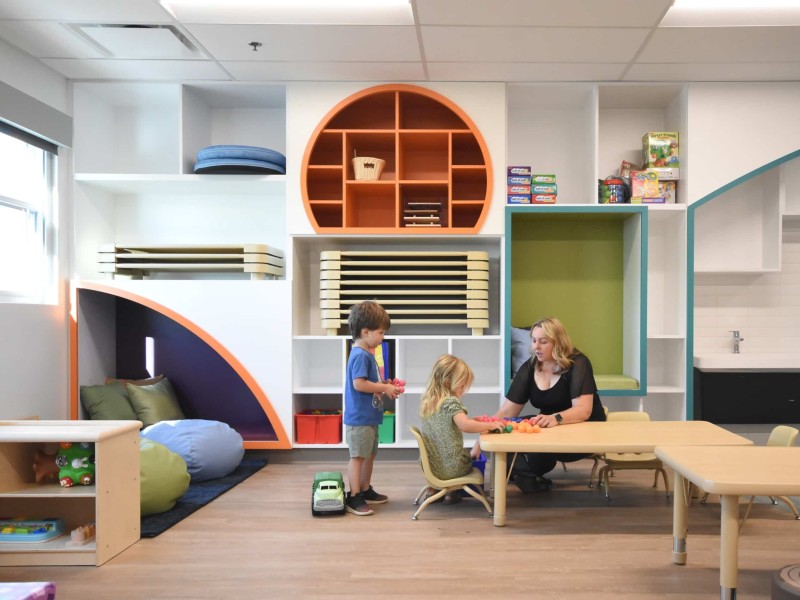
The Investing in America Child Care Partnership is addressing the national child care supply crisis by fostering collaboration among public and private funders, government agencies, employers, and child care providers.

For Detroiters who cannot qualify for a traditional mortgage, community development organizations use creative means to help individuals and families finance their first home.

The intensity of America’s political culture that factored into the assassination of conservative influencer Charlie Kirk has intensified the scrutiny of the role of social media.

Consistent access to early intervention for Michigan kids with learning disabilities and developmental differences is vital, yet often out of reach.
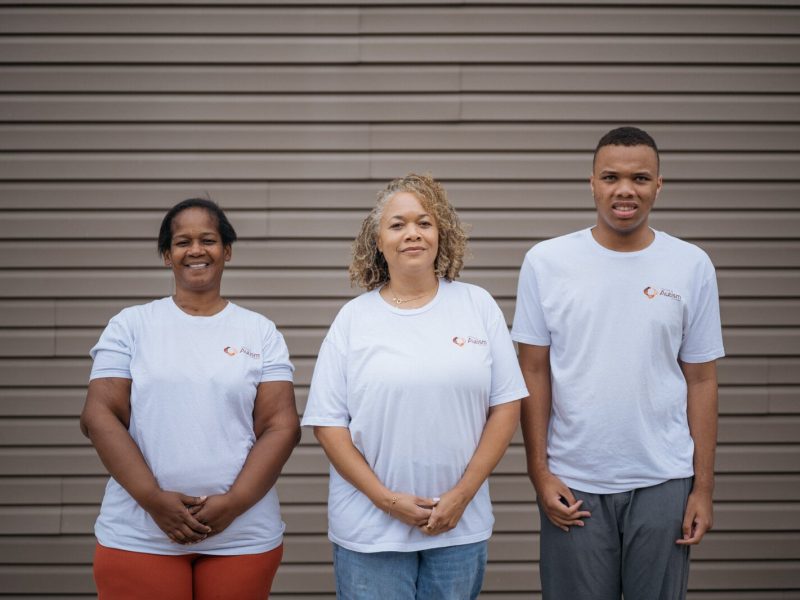
The Detroit-based Color of Autism Foundation seeks to end the stigma of autism spectrum disorder (ASD) in communities of color by helping parents of children with ASD build skills to lessen their isolation.

Michigan’s rural residents face different challenges when accessing mental health care than residents of urban areas. Transportation issues, loneliness, and limited group therapy options can compound their mental health needs. To address these challenges, community mental health (CMH) agencies like Sanilac County Community Mental Health innovate community-based solutions that meet their populations where they are at.
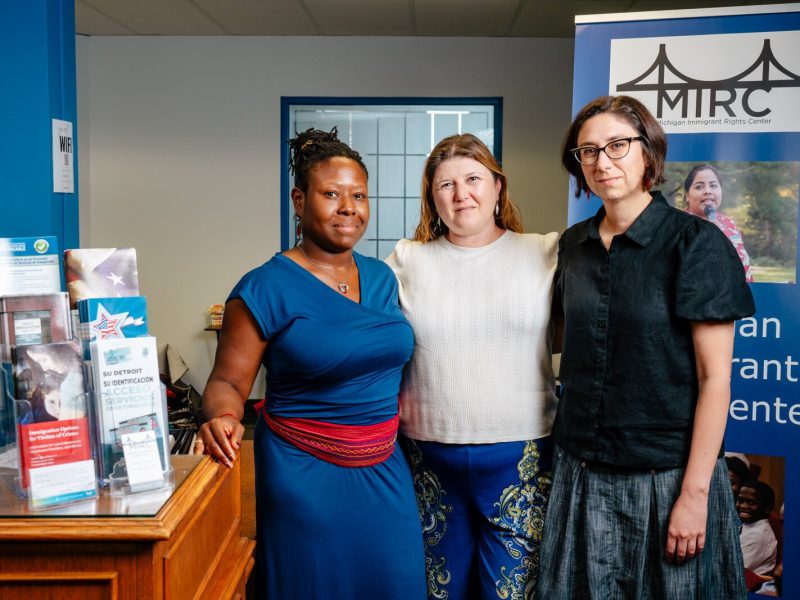
En 2024, los educadores de la primera infancia en el suroeste de Detroit observaron una caída significativa en la inscripción preescolar tras el aumento de la actividad de control de inmigración. Aunque el descenso no fue documentado oficialmente en ese momento, las organizaciones comunitarias informan que aproximadamente el 15% de los estudiantes fueron retirados de los programas preescolares del área en cuestión de semanas.
Our Partners