LifeWays: Why Infant Mental Health Matters
How infants and toddlers are cared for impacts their lifelong mental health.

As the LifeWays’ supervisor of community-based services focusing on infant mental health, Andrea Bricker often hears stories that pull at her heartstrings. She and her team help rewrite those stories to have happy, successful endings. A Certified Community Behavioral Health Clinic (CCBHC), LifeWays serves Jackson and Hillsdale counties.
For two years, Bricker worked with a toddler girl placed in foster care who struggled with trauma and stress disorders. The toddler displayed developmental delays with her speech and social emotional development and had PICA, a mental health condition that compels a person to swallow non-food items. The girl’s foster family reached out to LifeWays for infant mental health services and child-parent psychotherapy.
Today, this little girl is thriving at home with those foster parents, who are now her forever family. She is developmentally on task, transitioned to Head Start preschool, and displays improvement with her trauma symptoms. LifeWays also assigned her parents a parent support partner to help them transition from foster parents to adoptive parents. They were even able to receive respite services so they could enjoy date nights
Infant mental health is about a child’s social-emotional well-being and developing secure relationships with their caregivers. LifeWays’ endorsed, trained infant mental health clinicians serve families with children zero to three years old.
“We determine eligibility for services,” Bricker says. “We look at the child in the context of their family relationships, get to know them, explore what they’re seeking help for, observe them all together, administer screenings and assessments, and provide recommendations for treatment and services.”
Bricker’s career spans 30 years of working with infants, toddlers, young children, and their families providing in-home services in Hillsdale County. A licensed professional counselor and registered social worker, she’s endorsed as an infant mental health clinician and nationally rostered in the evidenced based Child-Parent Psychotherapy treatment model. She oversees LifeWays’ infant mental health services and community-based services as well as the therapists who work in community with infants, toddlers, and preschoolers. Bricker and other LifeWays therapists go to families’ homes to provide services.
“The whole child’s life is so important,” Bricker says. “We screen health, nutrition, and overall development. We assess their environments and caregiving relationships. We spend time exploring the symptoms the child is experiencing, their daily routines, how it impacts every part of daily life. We pay particular attention to relationships because we know that healthy, responsive relationships are essential for a child’s social emotional well-being.”

Infant mental health services focus on the social emotional growth of infants and toddlers. Through supportive environments with their caregivers, it strengthens and builds parental capacities to provide secure and strong attachments. Families benefit from support to enhance parent-child interactions, foster positive parenting behaviors, reduce stress, and improve caregivers’ mental health. This can be done through clinical interventions, strategies to address challenges, building family strengths, teaching coping skills, and supporting emotional regulation skills, the ability to control one’s own emotional state.
“Infant mental health services are offered in the home and are relationship-focused, strength-based, offer emotional support, assist in meeting the concrete needs of the family, provide developmental guidance, and help build a strong alliance with the family,” Bricker says. “We care deeply about the caregivers’ mental health and their community of supports. Sometimes this means linking them to additional community-based services and supports, as well.”
Community members walk through the doors of LifeWays looking for help with children who may have experienced trauma, have behavioral issues, are extremely emotionally dysregulated, have sleep issues, are autistic, or are not growing or thriving as they should.
“Ninety percent of a child’s brain develops by age five. The early years are critical for setting the firm foundation of the child’s ability to grow and learn,” Bricker says. “Relationships matter. The quality of those relationships impact their development and well-being.

LifeWays infant mental health program includes partnerships that are available to families with young children like early-on systems to support the development of the young children including Early Head Start, and Great Start Collaboratives that promote partnership services supporting kids as they enter kindergarten.
LifeWay’s Hillsdale and Jackson locations both participate with the Jackson/Hillsdale Association for Infant Mental Health in a variety of community events such as a Babies Speak Gallery, Big STEPS for Little FEET Walk, and Care & Connected events as well as community baby showers and networking events throughout the year.
“We know that when parents and caregivers have support and can give the daily care their child needs, we see better outcomes later in life.,” Bricker concludes. ”In other words, how infants are cared for deeply matters.”
LifeWays, which has locations in Hillsdale and Jackson, provides an array of mental health services for children, adults, and families. The Michigan Department of Health & Human Services (MDHHS) also supports infant mental health with training, learning collaboratives, standardized tools for assessments, and sharing best practices and treatment protocols.
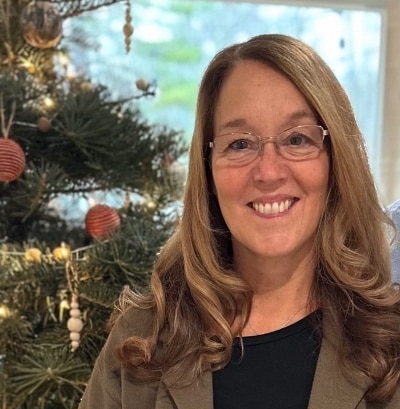
Photo of Andrea Bricker courtesy LifeWays.
Photos by Caleboquendo, Gambardella, and RDNE via Pexels.com.
The MI Mental Health series highlights the opportunities that Michigan’s children, teens and adults of all ages have to find the mental health help they need, when and where they need it. It is made possible with funding from the Community Mental Health Association of Michigan, Center for Health and Research Transformation, Genesee Health System, Mental Health Foundation of West Michigan, North Country CMH, Northern Lakes CMH Authority, OnPoint, Sanilac County CMH, St. Clair County CMH, Summit Pointe, and Washtenaw County CMH.
Related Articles

Policies, programs, and research shaping maternal mental health care
How the Center for Health and Research Transformation is working to improve mental health for pregnant and parenting individuals.
Statewide effort tackles postpartum depression and perinatal mood disorders
One of every five* new mothers experiences perinatal mood disorders, but only a small number receive the help they need. The Michigan Health and Hospital Association is working to change that.

Community mental health’s unsung heroes: Ashley Gibson, recovery coach
Gibson’s journey from inmate to recovering addict to recovery coach gives her a unique perspective.