Michigan works to bridge gaps in elder care, allowing more adults to age at home
The COVID-19 pandemic has raised awareness about how Michigan communities can bridge gaps in care and improve quality of life for older residents.
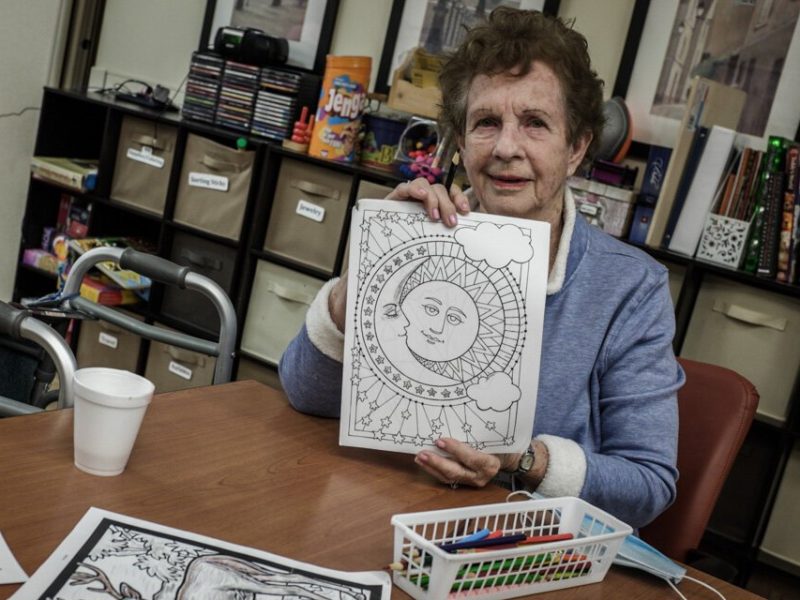
The COVID-19 pandemic has raised awareness about how Michigan communities can bridge gaps in care and improve quality of life for older residents.
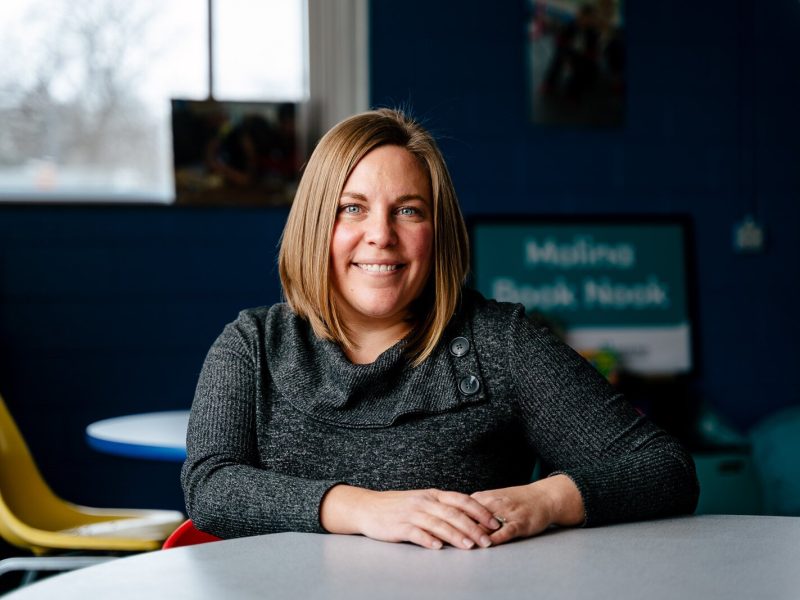
"As communities, we have a big task to fill what's been lost for students in the pandemic," says Andrea Meyer, executive director for the Center for Success Network. "I’m inspired by our mentors, this huge network of people who give up their time and talent to be with our amazing kids. They're all saying, this is important, we need to do this, and they're willing to ask, how can we do this together?"
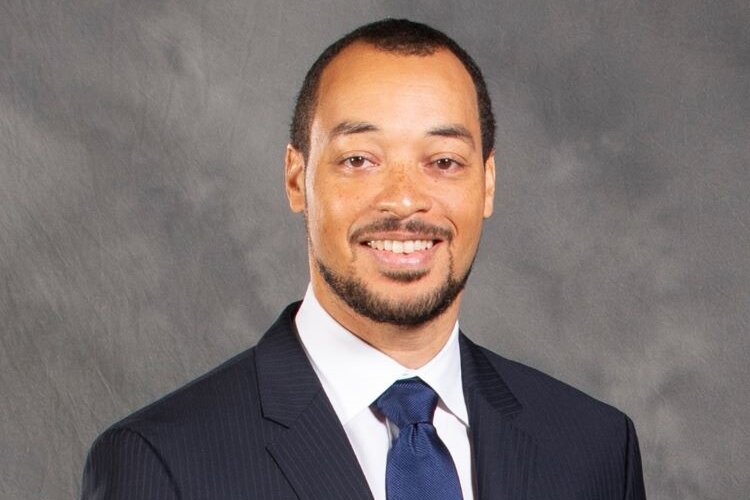
"Soon, we plan to be able to deliver a curated and equitable mix of everything we get on a daily basis to everyone we serve," says Kirk Mayes, CEO of Forgotten Harvest. "Through our new data-based approach, we hope to provide families with not just a part of the solution, but the whole solution. For us, this means there's a healthy, nutritious, wholesome meal that actually quenches the thirst of hunger.
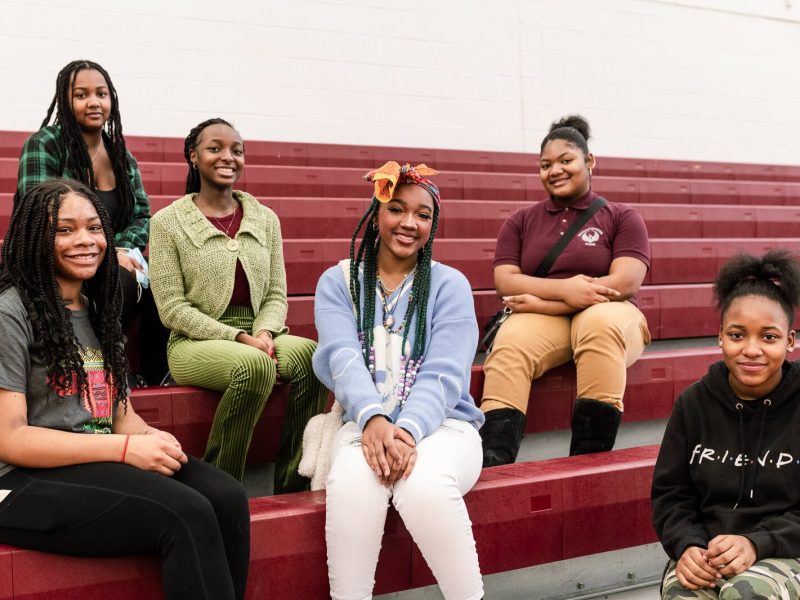
Student leaders in the Detroit Public Schools Community District are helping design and implement SNAP-Ed funded Rec-Connect™ programming, which promotes physical activity.
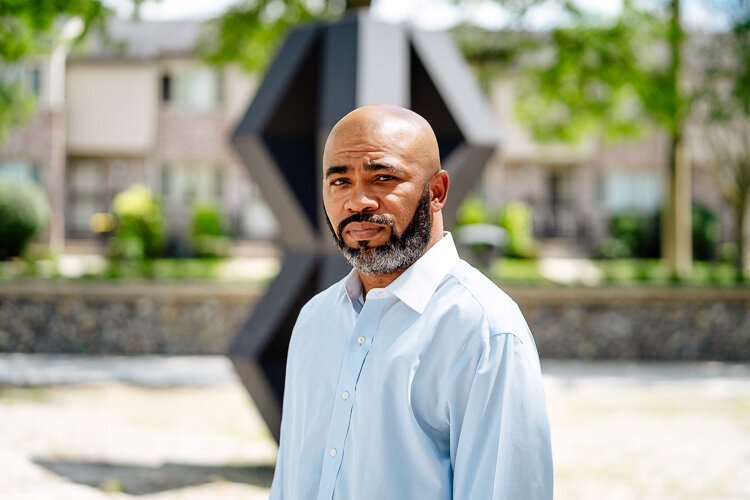
"I’m concerned we won’t be given serious consideration, and that a study five years from now will show the low percentage of Black entrepreneurs who were given access to these dollars just like we saw happen with PPP loans," says Dwan Dandridge, CEO and founder of Black Leaders Detroit, about the distribution of ARPA funds. "BLD is in a position to help those programs and dollars succeed right now."
Issue Media Group is excited to announce the company’s latest online media project – Rural Innovation eXchange (RIX). RIX will focus on the innovation, talent, entrepreneurship, social innovation and community development taking place in rural Michigan and feature the work of rural talent and content creators.
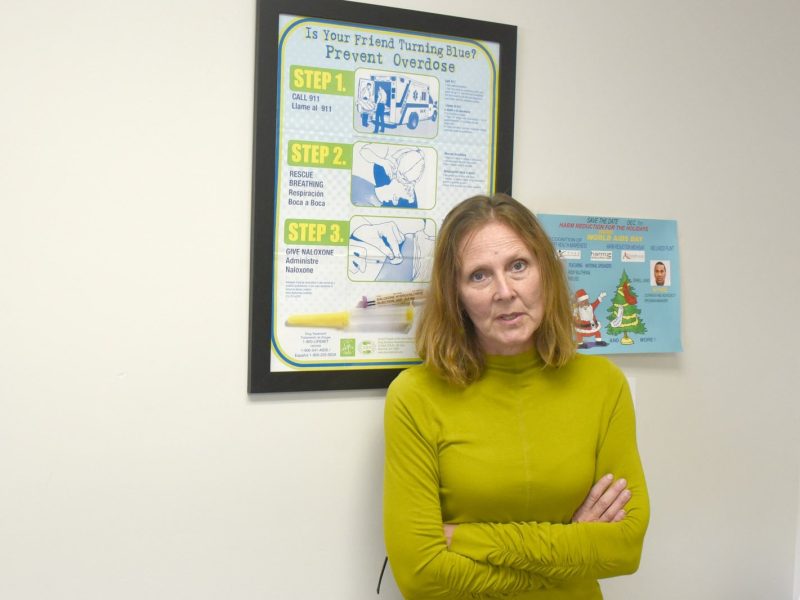
Across Michigan, health professionals are racing to understand which communities have been hit hardest by substance use disorder during the pandemic – and how to turn the trend back around.
Our Partners