Community mental health’s unsung heroes: Ashley Gibson, recovery coach
Gibson’s journey from inmate to recovering addict to recovery coach gives her a unique perspective.
The MI Mental Health series highlights the opportunities that Michigan’s children, teens and adults of all ages have to find the mental health help they need, when and where they need it. It is made possible with funding from the Community Mental Health Association of Michigan, Center for Health and Research Transformation, OnPoint, Sanilac County CMH, St. Clair County CMH, Summit Pointe, and Washtenaw County CMH and Public Safety Preservation Millage.

Gibson’s journey from inmate to recovering addict to recovery coach gives her a unique perspective.
Michigan's community mental health agencies serve as lifelines and innovators.
“Health equity has always been an uphill battle. But without intentional investment and consistency, we risk sliding backward." Marianne Huff
The goal is to improve health outcomes, achieve health equity, and remove barriers to opportunity.

Connecting Michiganders with buprenorphine will address the state's 12,800 fatal overdoses since 2020.
Summit Pointe CEO says, “Proximity doesn't always work, but co-location does.”
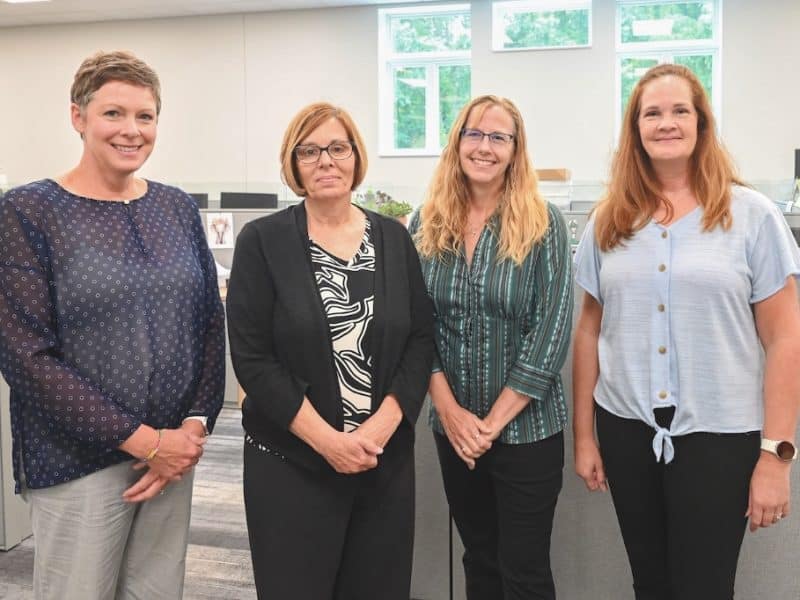
Throughout Michigan, quiet heroes leave a profound imprint on those with mental illness.

Michigan’s rural residents face different challenges when accessing mental health care than residents of urban areas. Transportation issues, loneliness, and limited group therapy options can compound their mental health needs. To address these challenges, community mental health (CMH) agencies like Sanilac County Community Mental Health innovate community-based solutions that meet their populations where they are at.
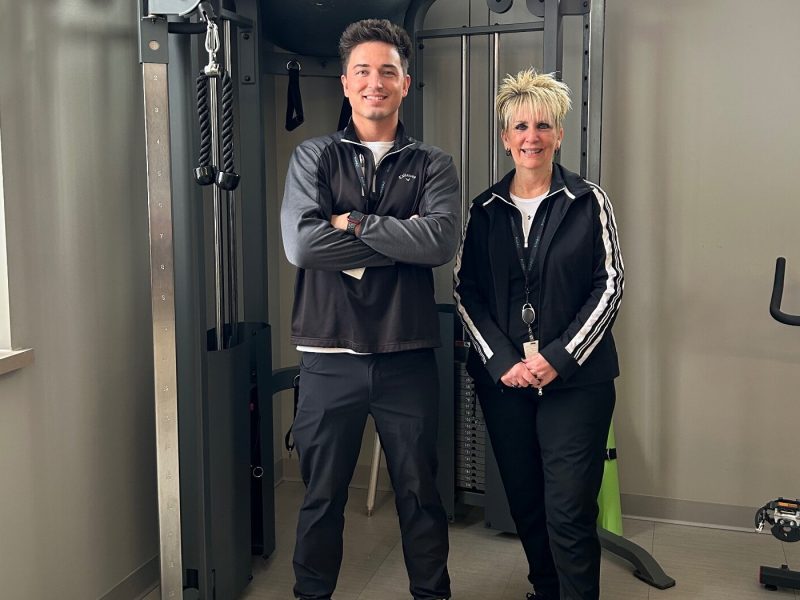
The connection between physical activity and mental wellness is at the heart of LifeWays’ growing roster of health programs- and community response has been overwhelmingly positive.

Michigan's hospitals and community mental health agencies are working together to address gaps in behavioral health care that contribute to long emergency department stays and delays in treatment. Several recent initiatives aim to improve care coordination and create new models of crisis response.
Our Partners