A more equitable art scene in Macomb County
Anton Art Center’s IDEA Council called for a work of public art that would represent Macomb County communities of color – and the center made it happen in the heart of downtown Mount Clemens.
Nonprofit leaders across southeast Michigan will share stories of nonprofit, government, and philanthropic sectors coming together to think bigger, solve problems, and execute transformative projects.
This series is made possible with the generous support of our partners the Michigan Nonprofit Association, Ralph C. Wilson Jr. Foundation, and Co.act Detroit.
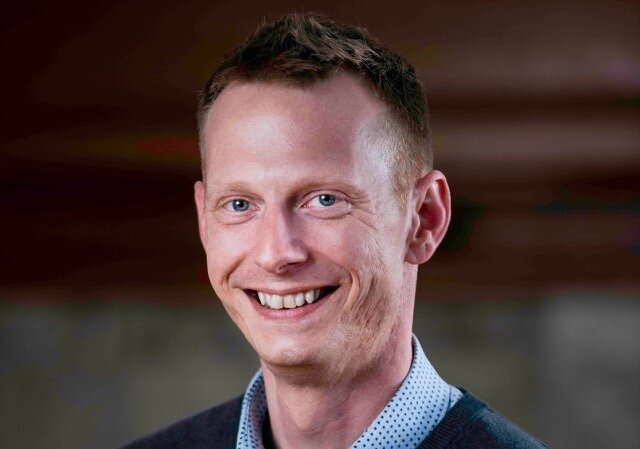
Anton Art Center’s IDEA Council called for a work of public art that would represent Macomb County communities of color – and the center made it happen in the heart of downtown Mount Clemens.
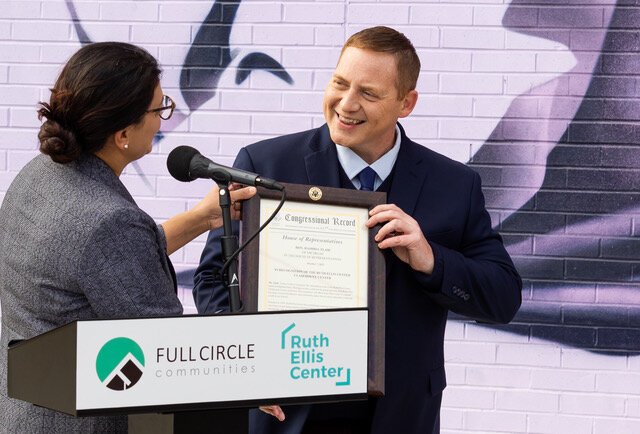
Amy Kuras spoke with Mark Erwin of Ruth Ellis Center about the recent opening of Detroit's first housing center dedicated to LGBTQ youth. The Clairmount Center also has wraparound services, including health care and employment support, co-located on the premises, to remove common barriers to access for this population.
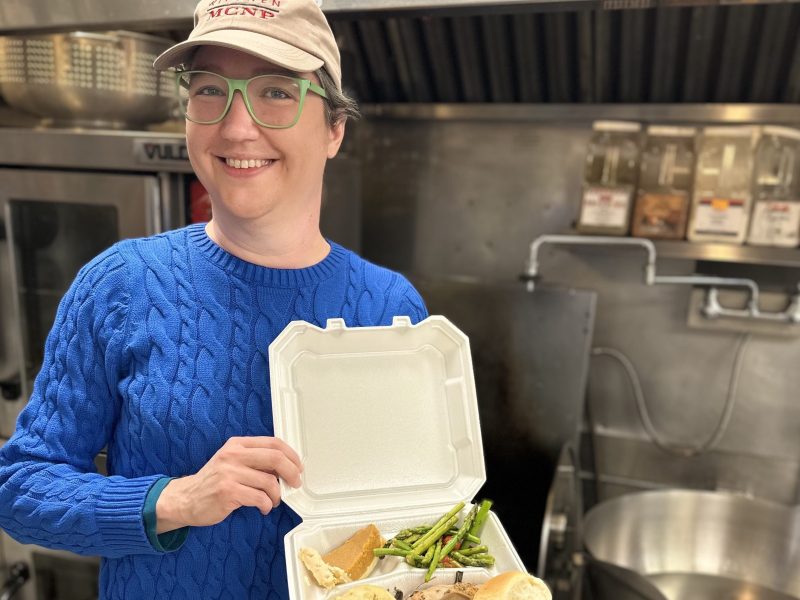
Meet Sarah Jones, Mid City Nutrition’s executive director, and read why she’s excited about her new role providing meals to underserved community members who appreciate a warm lunch from friendly folks who know them by name.
Sanctum House creates a living environment that is welcoming and safe for women survivors of human trafficking. We talk with Karen Moore, executive director, about the real challenges residents face in moving forward with their lives.
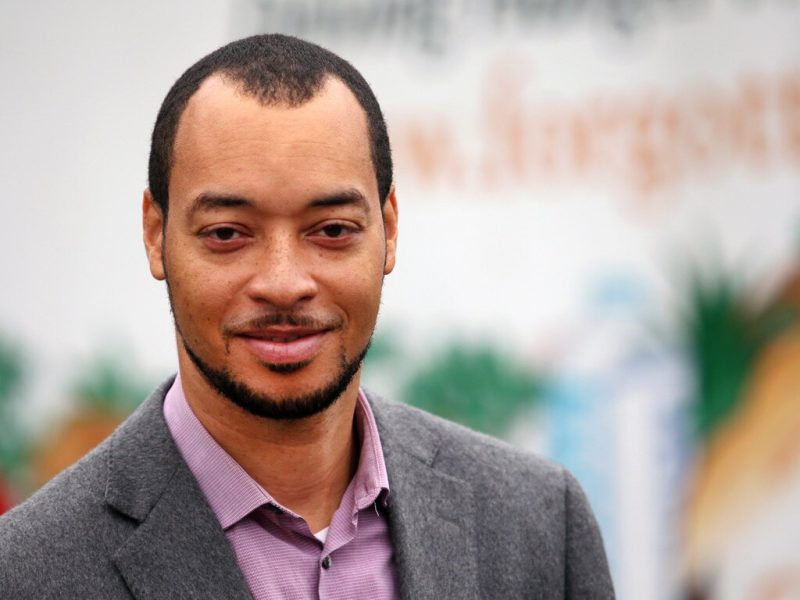
Kirk Mayes is the outgoing CEO of Forgotten Harvest. We talked with him about changes the organization has experienced and new models for combatting food security.

Looking back over the stories the series has captured during the past year, here are three valuable takeaways about how nonprofits are serving their communities, moving forward.
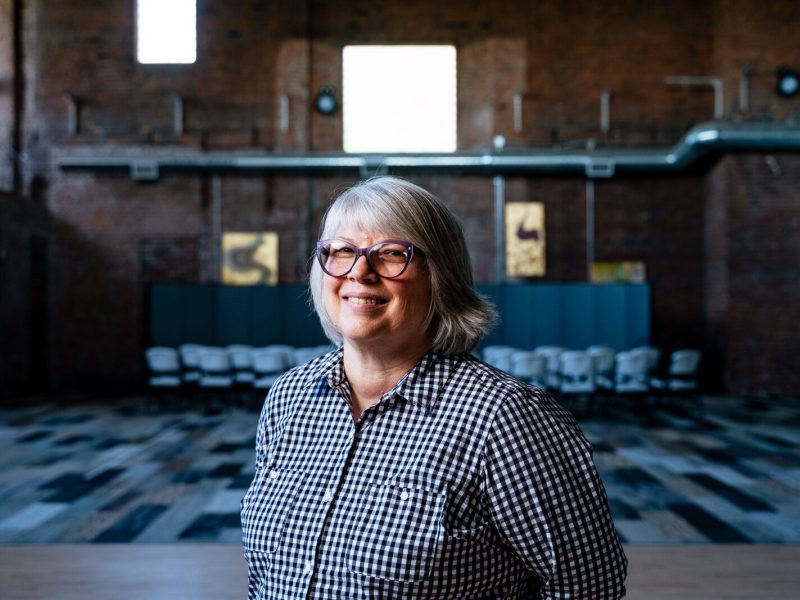
In our community, 61% of children under the age of 18 live in poverty," says Lisa Johanon, executive director of Central Detroit Christian CDC. "We do affordable housing so kids have a safe, stable place to live, and so they're not uprooted from their home five times during the school year. We're raising up a community of kids whose outcomes aren't dictated by their zip code."
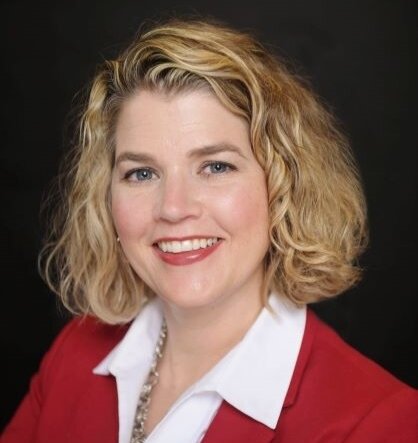
In her new role leading Michigan Nonprofit Association, Kelley Kuhn talks the need for funding, her team's efforts to increase support for BIPOC leaders, especially, what organizations are carrying forward in the new normal, and a desire for a seat at the table. "There's this amazing infrastructure in the sector, that if leveraged," she says, "is efficient, effective, and understands the community, and its needs."
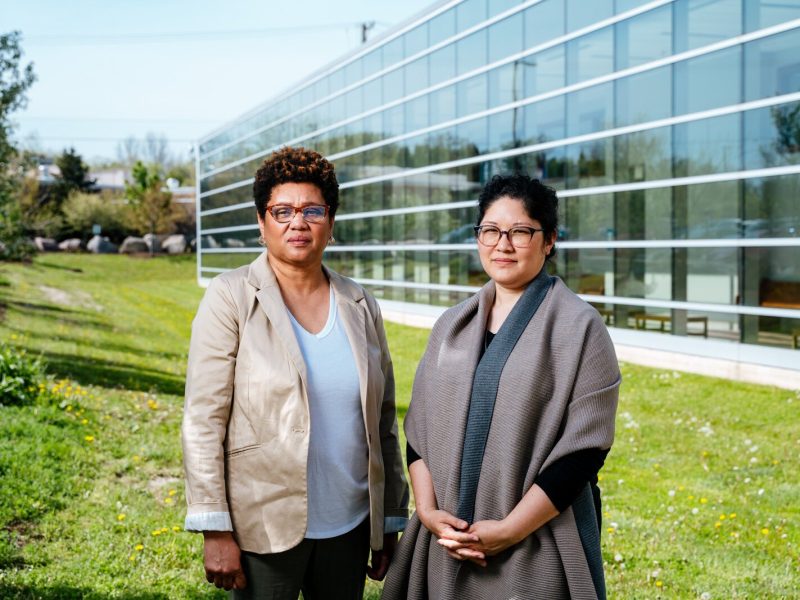
"Nationally, restorative justice has shown to cut recidivism rates by half," says Germaine Smith, assistant director of the Dispute Resolution Center in Washtenaw County. "It’s extremely successful because we get to the root of the trauma, or suffering, that brought everybody to that moment. The process goes deep, to consider how this harm impacts both individuals' lives. This is heart work, not head work."
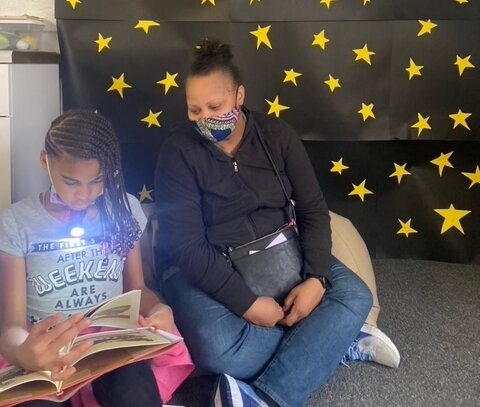
"In our community, we have a lot of great programs," says Eisha Branner, founder and CEO of E-Community Outreach Services in Pontiac. "We have a lot of great resources. But we also have a disconnect, especially in the last few years with COVID-19," she says. "There was nowhere near enough support for our families."
Our Partners