Detroit Midwifery School training midwives from the community of birthing people they serve
Certified professional midwives offer additional options for birth that address racial disparities in maternal-infant mortality.
When Elon Geffrard was five years old, her parents decided to include her and her sister in their new brother’s birth at a hospital birth center. They attended a sibling’s preparation class and were present for the birth, attended by a midwife.
“From that day, I knew I was going to catch babies,” Geffrard says. “My mom … normalized it for me. Down the line, throughout the years, I met midwives, and I said, ‘This is it.’”
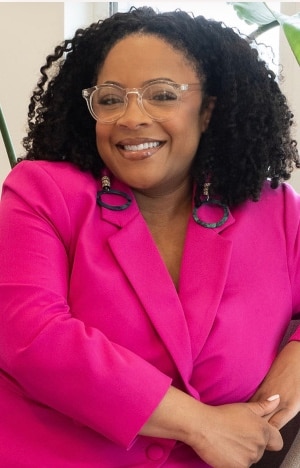
Geffrard is enrolled in the first cohort of the new Detroit Midwifery School.
“Until recently, Detroit only had about four or five actively working home-birth midwives, and even fewer who were Black women,” Geffrard says. “Diversifying the workforce increases the diversity of the population served. Having more midwives trained, passing their boards, and choosing licensure in Michigan will increase the safety of having options.”
Kristine Lauria, a practicing midwife for more than 40 years, makes Michigan’s Upper Peninsula her home when she’s not teaching or attending births internationally with humanitarian medical organizations. Her recent documentary, Allowed to Birth: The Journey of a Global Midwife, features the need for an expanded midwifery model within the United States.
“The midwifery model looks at the whole person, not just the pregnancy or the labor, and there’s a continuity of care, a relationship, and informed decision making that’s collaborative for physiological birth,” Lauria says. “Midwives are uniquely trained to follow women throughout their pregnancy. Home birth is a setting where this model can be practiced.”
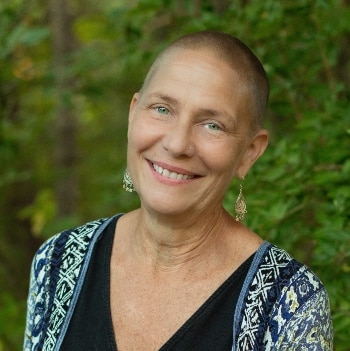
Lauria believes that bringing midwifery and the home birth model into the broader American maternity system will restore balance to maternity care and recognize birth as a profound human experience and a normal physiological process.
“We still need to maintain access to medical care when it’s needed,” Lauria says. “When we pathologize every single pregnant woman, we’re doing a great disservice to ourselves as a culture, but particularly those women. Women shouldn’t have to choose between midwives and medical. We need a system that understands the value of both.”
The midwifery model looks at the whole person, not just the pregnancy or the labor. This continuity of care creates a relationship that supports informed decision making.
“Midwives are uniquely trained to follow women throughout their pregnancy,” Lauria says. ”Midwives bring something really essential to the maternity care system. It’s not about where the baby’s born.”
Geffrard has practiced as a doula, currently with women incarcerated in Michigan’s prison system, and also works full-time at Birth Detroit, the birth center she helped found. The Detroit Midwifery School will allow her to achieve licensure as a certified professional midwife (CPM).
“I really wanted to pursue a local program — something that was new and happening in the city that I was born in,” she says. “I need the skills. CPM midwifery or home birth, community-based midwifery is how midwives were originally trained, how midwives originally practiced.”
Like many of her fellow students, Geffrard has practiced as a doula in both home and hospital settings.
“The home birth environment provides an opportunity to see what physiological birth is like while the hospital setting provides insight into available medical interventions,” she says. “Midwives teach you about your body. They teach you about your process, your reproductive health. It’s a win for everybody and increases safety across the board.”
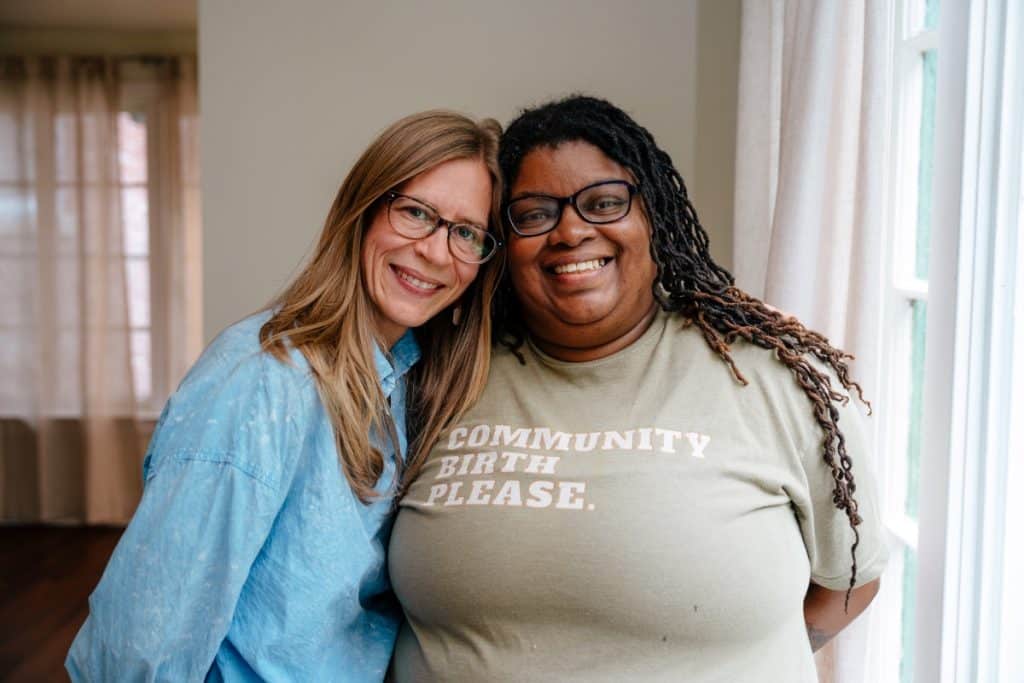
Toni Hill, CPM, co-founder and director of midwifery education at the Detroit Midwifery School, notes that midwives trained there will be from the same community as the birthing people they serve. Hence, comfort increases. Stressors from perceived or real institutional racism dissipate.
“We meet them where they are,” Hill says. “They don’t have to wait in an office for hours before they see their care provider. They can bring their children and their husband, their mom or their dad. The family is involved with the care and actually welcomed.”
The midwife observes the family dynamics and uses that information to provide the most holistic care possible. Another benefit of the CPM model, women have greater success with breastfeeding.
“In the medical industrial complex, that baby and mother are not seen as one. When you have two patients, it’s easy to take one away,” Hill says. “In the home birth setting, the baby is there. If a baby is there at the chest or the breast, that’s going to increase breastfeeding outcomes and decrease problems. If they start off from the beginning able to build a good supply with those first eight to 12 feedings, that’s very much a benefit. Our hospital-based babies sometimes have a little more separation from their mamas.”
Because home-birth midwives provide postpartum care, they can connect mothers to lactation consultants and other resources to ensure continued breastfeeding success.
“They do those warm handoffs, and that is really helpful for increasing breastfeeding rates in the Black community,” Hill says. “If you have folks who already have health disparities, they don’t hear good breastfeeding stories often. Having somebody who’s there and ready and helpful in the beginning is going to help those outcomes so much.”
Decreasing infant deaths
While Michigan has lowered infant mortality rate, Black babies here are still three times more likely than white babies to die before their first birthday. Geffrard, Hill, and Lauria agree that a midwifery model could reduce this disparity.
“The answer can’t be to replace obstetrics with midwifery, but particularly for women of color, we need to invest in Black midwives, Indigenous midwives, Hispanic midwives,” Lauria says. “If we want to be serious about reducing the disparities and the maternal-infant outcomes, then we have to be willing to rethink not just what we do when something goes wrong, but how we provide the care from the very beginning.”
Hill says that the medical industrial complex does not see social determinants of health in a way that affects positive change during pregnancy, postpartum, and preconception care for subsequent pregnancies — and sees systemic racism as a big issue for people of color who are birthing.
“By bringing birth outside of the hospital and back into community where it’s been forever, folks are in their lived environment and have care providers who understand on a personal level their social determinants of health,” she says. “We know that those outcomes can be amazing. The studies tell us and the mothers tell us.”
“Women respond best when they feel culturally safe, and so we need to provide that cultural safety by providing midwives that are within the culture and understand the culture,” adds Lauria.
With upcoming Medicaid cuts and increasing Health Insurance Marketplace® rates, home birth can also be a smart financial option for low-risk mothers and infants.
School’s in session
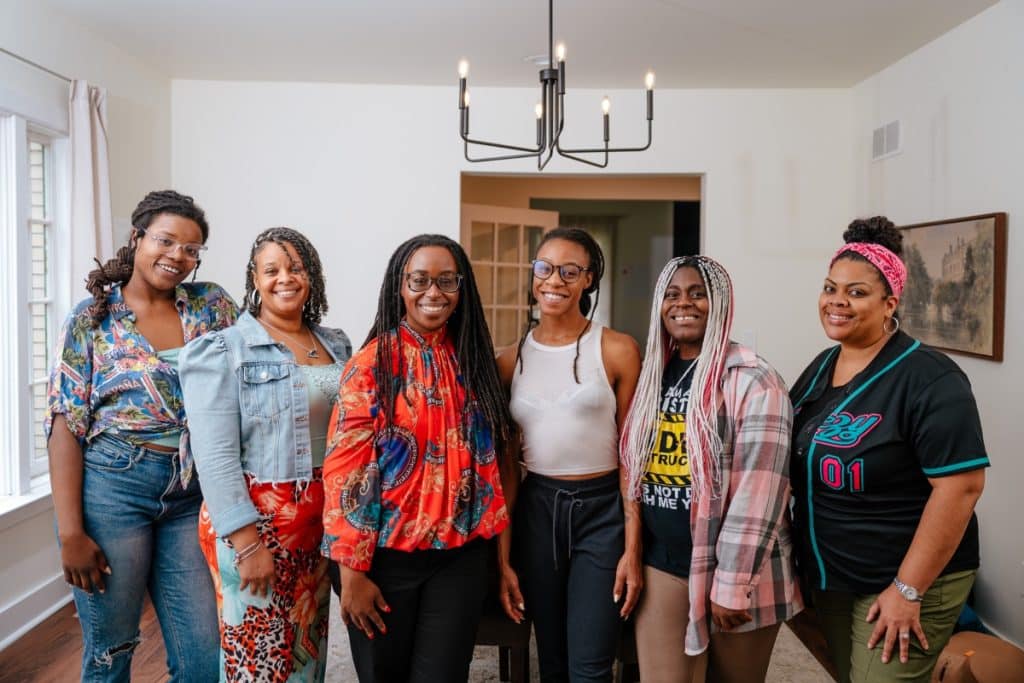
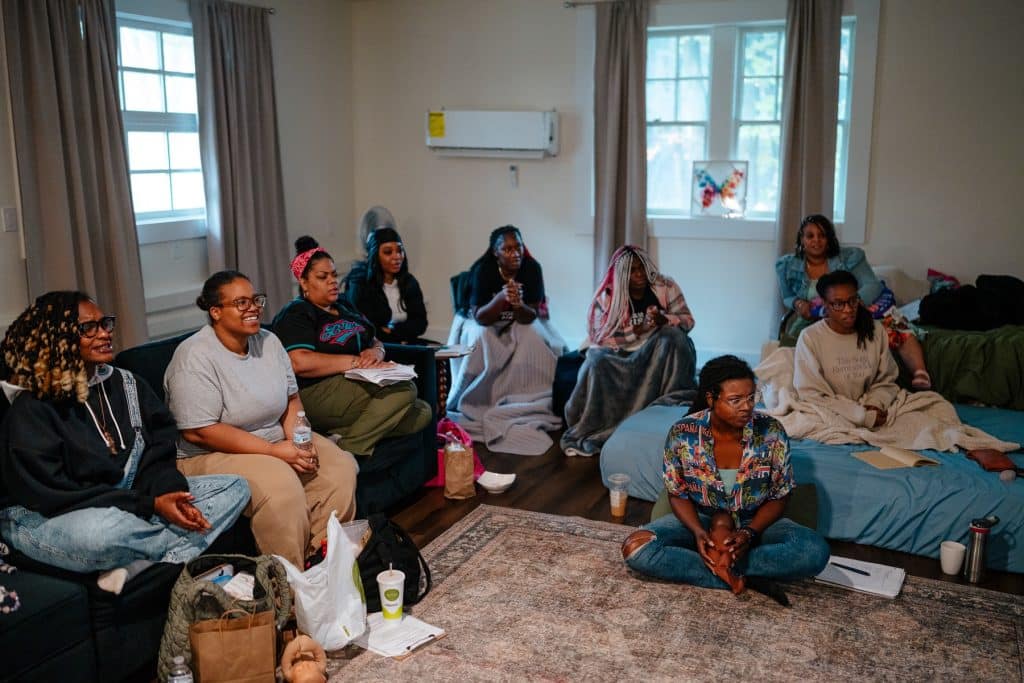
The Detroit Midwifery School’s initial all-Black cohort will increase the number of Black CPMs — currently only ten are practicing throughout the state. Its first orientation took place at a LaSalle Gardens Detroit mansion in September.
“Imagine what that impact will do for those mothers for years to come,” Hill says. “To be able to say, ‘Yeah, I had a care provider who looked like me and who had a shared understanding of what my experiences are in life, not just in pregnancy and birth.’ It makes a big difference.”
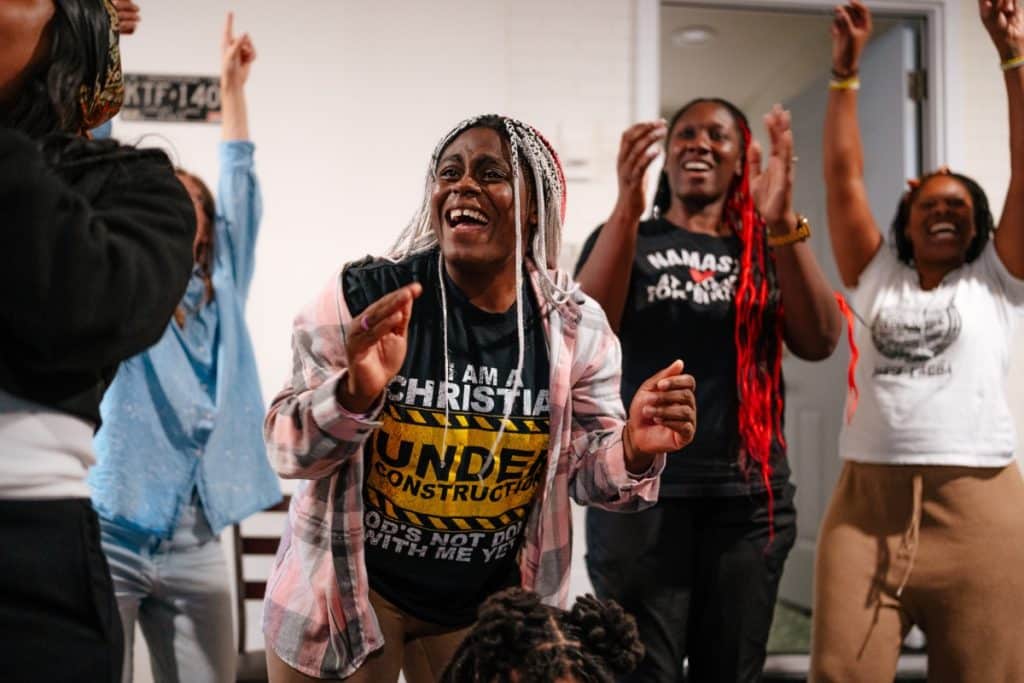
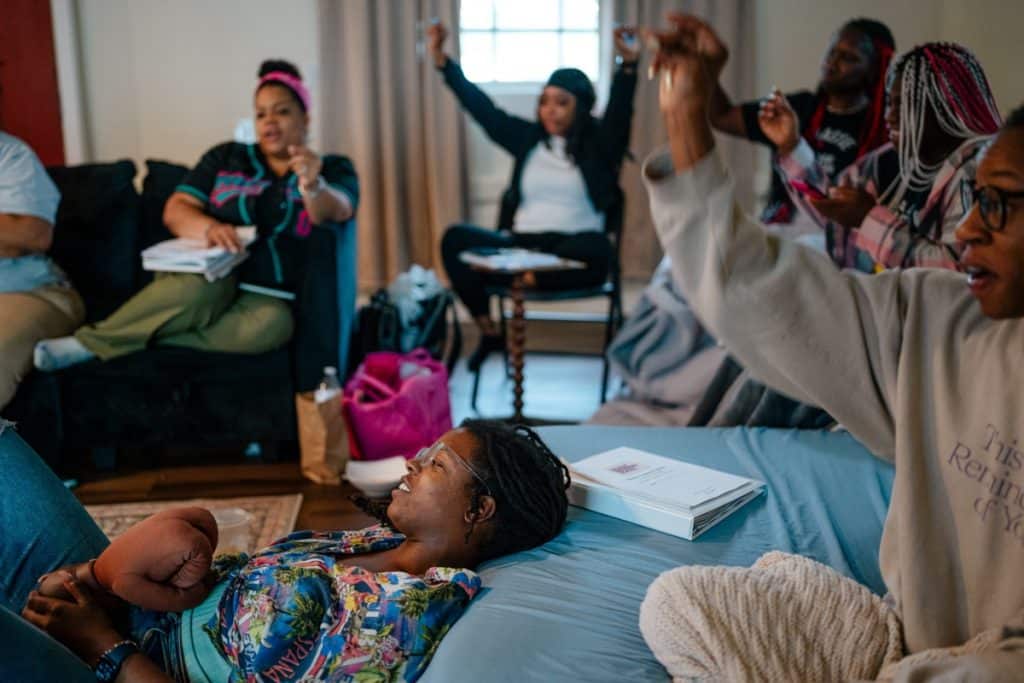
For the first four days, the aspiring midwives learned, bonded, and created community. The next two days were opened for community to join in neonatal resuscitation training, CPR class, and disaster birth training. Then, a three-day midwifery assistant workshop ensued. To conclude, Hill surprised the state’s tenth Black CPM, Micah Shirelle, with a ceremony of hand washing.
“Everybody left here like they were leaving summer camp,” says Rory Keay, the school’s director of operations and co-founder. “People were hugging and crying. It was a life-changing experience, a huge history-making moment that we are watching these living legacies of Black midwives.”
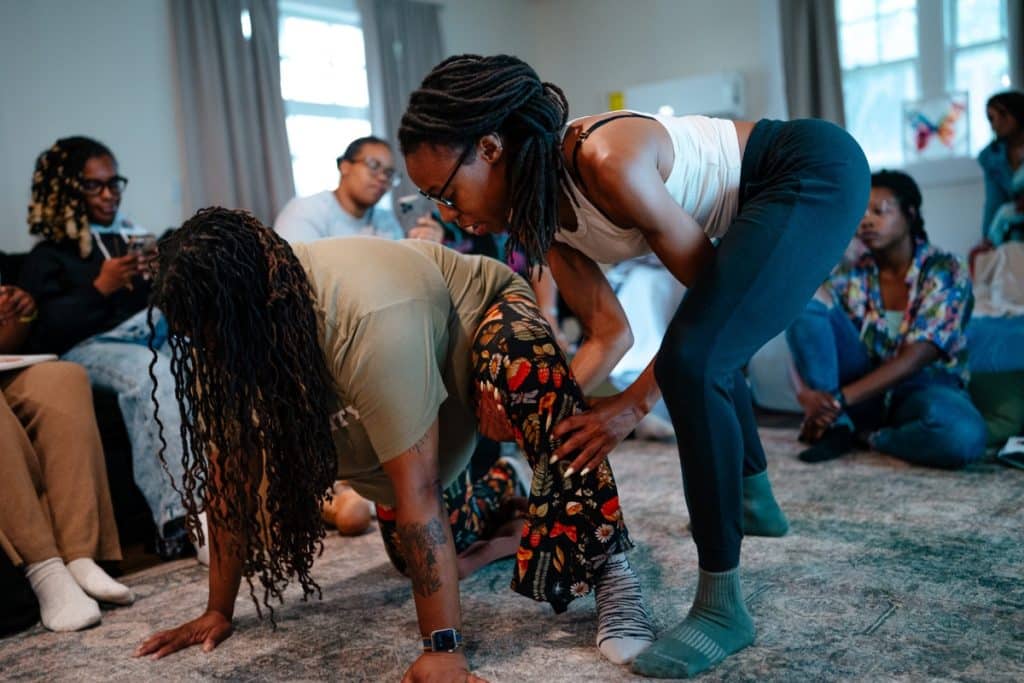
During the three-year program, students will apprentice with practicing midwives to apply skills learned in the classroom in real-life settings. The students are required to complete 50 births and attend “lots of prenatals and post-partums.”
“They have to touch lots of babies and bellies because you really do have to become an expert by working with families,” Hill says. “Every family brings you something different.”
Designed to accommodate students’ individual needs and learning styles, the program also covers how to set up a successful business.
“Those things are as important as knowing how to catch a baby,” Hill says. “We’re bringing those all in for a more well-rounded education model for our students.”
While the U.S. spends the most on healthcare, it has higher infant and maternal mortality rates than any other high-income country. Countries like the Netherlands, Australia, Japan, and Sweden, where home birth is integrated into the healthcare system, have far better outcomes.
“The answer can’t be to replace obstetrics with midwifery,” Lauria concludes. “If we want to be serious about reducing disparities and improving maternal/infant outcomes, we have to rethink not just what we do when something goes wrong, but how we provide care from the very beginning. We have to stop seeing the person giving birth as the problem. They’re not a problem. to be managed. They’re a person to be known and listened to and supported and cared for.”
Photos by Nick Hagen.
State of Health isa series about how communities and organizations are addressing Michigan’s health challenges and concerns. This series is made possible with funding from a building coalition of funders, including Delta Dental Foundation and Michigan Health Endowment Fund.
Author

Related Articles
Column: Medicaid Changes and the Potential Impact
Recent actions in Indiana, Nebraska, and other states to come, put at risk those personal choices of the disabled who are dependent on Medicaid, about where and how to live their lives.
How are Michigan’s families doing?
Rising costs, child care shortages and barriers to health care are straining Michigan families. What could help?
In memory care deserts, senior centers can help close the gap in brain-related healthcare
The aging populace has already led to an unprecedented rise in the prevalence of Alzheimer’s disease and related dementias.