Little Michiganders need more investment in early interventions
Michigan legislature’s FY 2027 state budget includes a much needed $1.45 million increase for Early On.
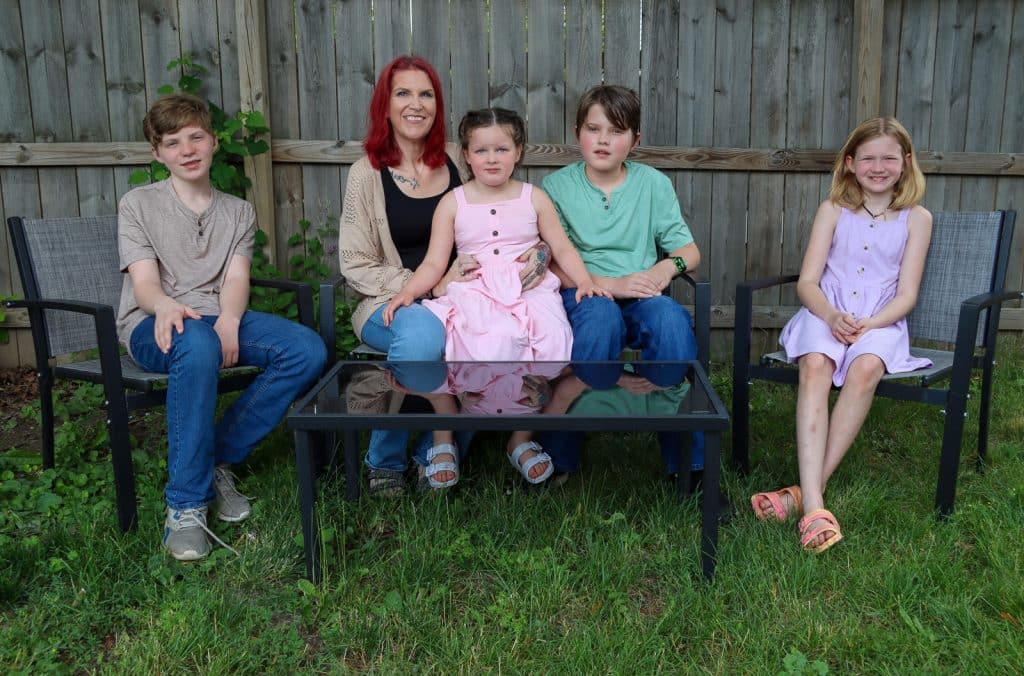
When Cara Sutliffe’s four children were young and needed special learning supports, Early On made all the difference for their development. The state and federally funded program provides services to eligible families with infants and toddlers aged 0 – 3 with developmental delays, disabilities, or medical conditions. Early On professionals visit homes or childcare facilities to provide educational, social, and health services that promote childhood development and minimize delays.
“Early intervention is the best thing you can do for your kids,” she says.
Sutliffe’s oldest son is hard of hearing, and her other son has had physical health issues since birth. Both sons experienced early learning delays. Picking up on their older brother’s speech patterns, her two daughters also received services for speech delays.
Even with her early childhood development experience as a nanny, daycare worker, and parent leader of the Early On Coalition, Early On specialists provided learning, physical, and cognitive development strategies that Sutliffe wasn’t aware of. Early On recognized patterns that led to diagnoses for one of her sons and referred her children to outside specialists and services. Early on staff also attended one of her son’s Individualized Education Plan (IEP) meetings to help with the transition from Early On to her school district’s special education services.
“In the early stages of parenthood, it’s very isolating, and you’re even more isolated with a child with special needs,” Sutliffe said. “Sometimes Early On visitors become support not only to help your child get up to par with their peers, but it’s also somebody that you know cares about where the family’s at and how things are going.”
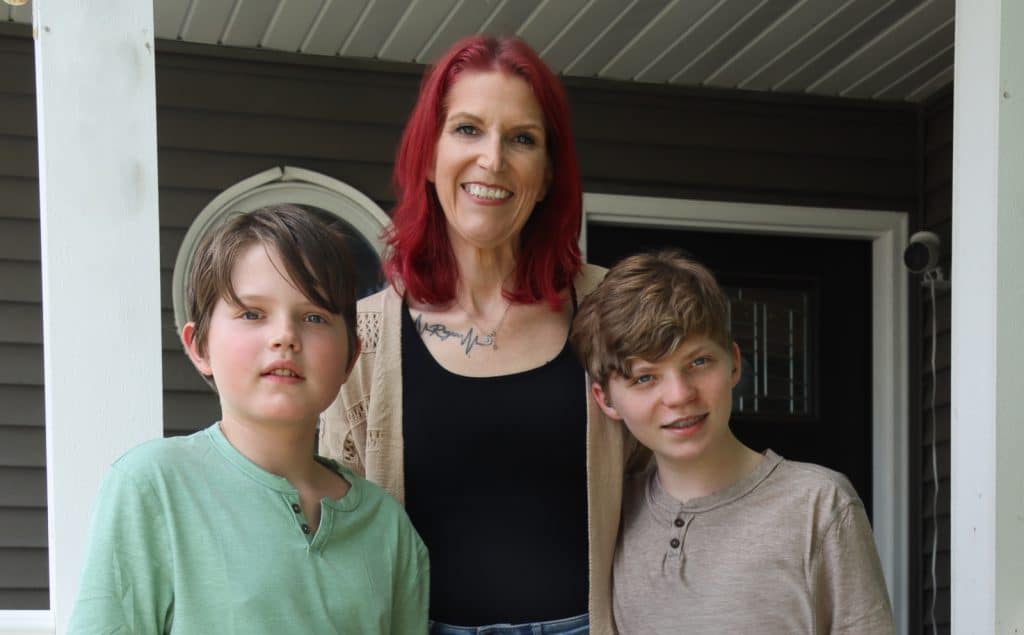
Like K-12, special education services in early childhood are severely underfunded, leading to a network stretched thin. While the services they did get were positive experiences, Sutliffe says a fully funded system could have provided her children with more visits. She witnessed staff turnover and burnout because salaries are not commensurate with the cost of living. That’s why the Early On Michigan Coalition is lobbying lawmakers for funding increases to improve the early childhood special education system.
An underfunded system and an underserved population
Total state and federal funding for Early On in fiscal years 2023 through 2025 ranged between $32 and $35.2 million, excluding Medicaid reimbursements. Advocates estimate the true cost of maintaining current services at approximately $259 million — increasing services to meet actual needs would cost $334 million. The Michigan legislature’s FY 2027 state budget includes a $1.45 million increase for Early On, bringing the total amount budgeted to $26.1 million.
Nationwide, the average per-child state investment for early education services in 2023 ranged from less than $2,000 to over $4,000. Michigan allocated only $879 per child. Limited funds mean fewer staff and families receiving fewer services than needed.
“Just because you have a speech delay and a gross motor delay doesn’t necessarily mean you will be seeing a speech therapist and a physical therapist,” says Nicole Hamp, chief health and program officer for Autism Alliance of Michigan, an Early On Michigan Coalition partner. “If we had a better funded system, there would probably be more opportunity for more providers to participate in the care of a child.”
Since the pandemic, the number of children eligible for services has risen while funding has remained relatively stagnant. Last fiscal year, some intermediate school districts were forced to make difficult staffing reductions due to rising costs. Early On serves 4.4% of Michigan children ages birth to three. Federal data indicates 15% of children have a developmental delay or disability that would make them eligible for services. That means thousands of young Michiganders may be going without crucial services.
Staffing challenges are especially difficult in rural regions like the Upper Peninsula. A small applicant pool makes it difficult to fill positions. Staff spread out over a larger geographical area spend more time traveling and less time with families. Families facing housing insecurity face additional challenges accessing services. Because services are usually provided on weekdays, working parents may have difficulty scheduling visits.
On the bright side, Alan Oman, senior advisor, Early Childhood Investment Corporation (ECIC), says Michigan’s Executive and Senate budgets are proposing a $1.45 million increase in fiscal year 2027, while the House budget includes a $5 million ask. The Coalition is hearing positive feedback from lawmakers and is hopeful for a funding increase that will help close the gaps.
Special education in preschools
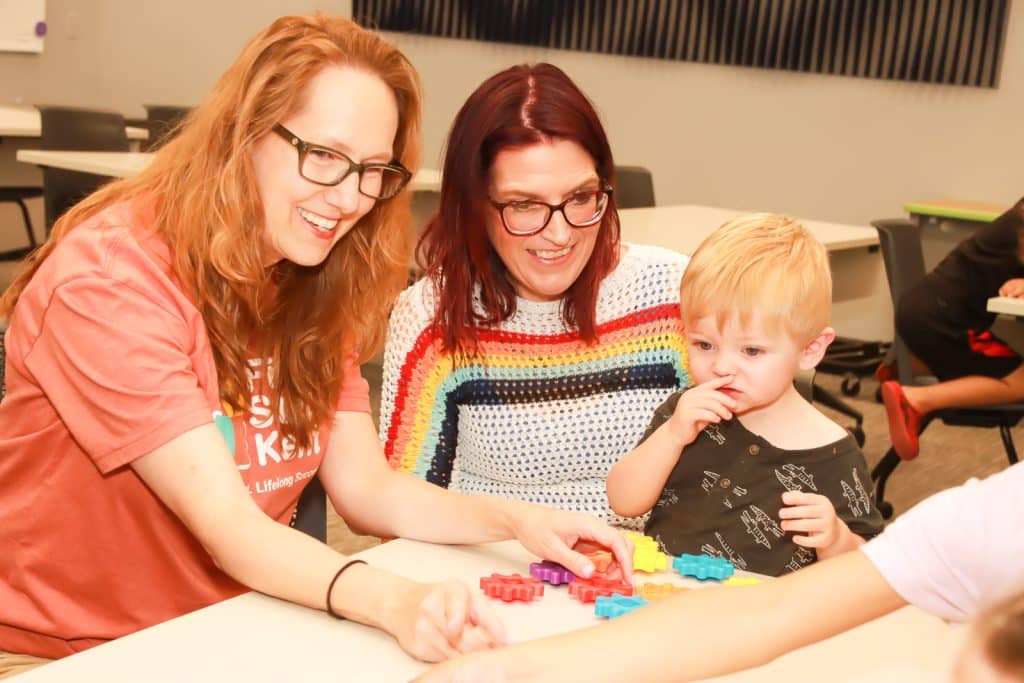
After age three, children are eligible for special education services through a local school district. But, this comes with its own challenges. In Oakland County, Oak Park School District provides Early On services and special education services for children aged 3 and up in both its public early childhood center and in private schools in the district.
“Special education services are expensive”, says Shana Murphy, interim superintendent and assistant superintendent of teaching and learning at Oak Park School District. “One student might need special transportation, multiple specializations, such as speech-language pathologists or occupational therapists, or a whole panel of professionals to conduct one IEP.”
While public schools are legally required to serve every student needing special education services, the funds are not there to make it successfully happen. Oakland County has an enhancement millage on the August ballot to increase per-pupil funding. If approved, the additional funding would support all students in the county, including special education students.
“Pre-K for All, early intervention and early education are amazing,” Murphy says. “But the funding also needs to extend to special needs for early childhood.”
Oak Park has pulled dollars from its general fund to supplement special education, a common practice for Michigan’s school districts. While the school first cuts items furthest from students like teacher conferences or materials, every cut impacts general students. In the private schools they serve, Oak Park pays special education staff for extra work outside of contracted workdays, which causes burnout and more expenses for the district.
From birth to age 5 — and particularly from birth to age 3 — children experience tremendous cognitive and language development. This is the age where neural development is highly dependent on environmental stimuli, so building a strong educational foundation is critical for a child’s future development.
“Not having early supports can really set up a child for failure. And once those challenges show up and they show up in a bigger way, you also run a risk for many children of school aversion,” says Hamp. “If you go to school and it’s failure after failure, they’re not going to want to be there.”
Photos by Tommy Allen.
Early Education Matters shares how Michigan parents, child care providers, and early childhood educators are working together to create more early education opportunities for all little Michiganders. It is made possible with funding from the W.K. Kellogg Foundation.
Author

Related Articles

Detroit Defies America’s Reading Recession: Inside the Quiet Comeback of DPSCD
DPSCD has been named a national “Success Story” for sustained post-pandemic progress.

Equine therapy and fly fishing find common ground to support children dealing with trauma
New Day Ranch in Verona, Kentucky, and the Northern Kentucky Fly Fishers partnered for the greater good.

Navigating autism now more difficult for Michiganders
Autism Alliance of Michigan has laid off 75% of staff due to unexpected state funding cut.