Older adults suffer when stigma keeps them from mental health care
Generational stigma and diagnosing mental health issues as part of aging rob older adults of the help they need.
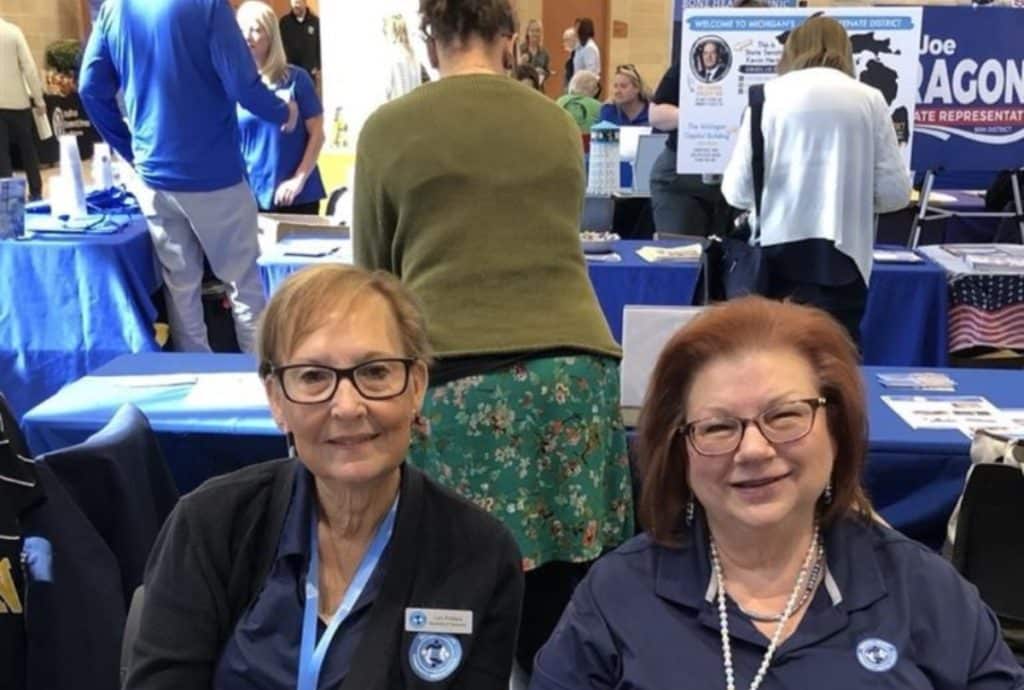
The need for mental health treatment doesn’t go away with old age. In some cases, the late stages of life are when those needs present themselves the most. Diana Ray, a community and behavioral health administrator at Macomb County Community Mental Health (MCCMH), knows this firsthand. She shares that MCCMH’s high-intensity home-base program is currently setting up services to begin behavioral treatment for an 83-year-old man.
Getting older doesn’t always come with more mental strife, but it can certainly make one more vulnerable. Deteriorating physical health means less freedom to exercise, drive, and socialize. Alongside retirement, the loss of beloved friends, family, and spouses can greatly increase loneliness and create a perceived loss of direction. Not to mention conditions like dementia and Alzheimer’s make it increasingly difficult to manage daily tasks. It makes sense that one in every five older adults experience mental health problems that are not a normal part of aging. And yet, so many geriatric adults do not receive the treatment they need due to the harmful lingering stigma they must overcome.
Older adults combat two different types of stigma. One is generational, the outdated belief in keeping emotions inside and pressing them down until they become suppressed. The other stems from the dismissal of mental health problems as merely part of the aging process. Both can be overcome with the right open-ended communication and communal normalization.
According to Ray, many of these struggling seniors grew up in a time and culture where mental health wasn’t a thing or, at the very least, not a thing to be discussed.
“You don’t talk about it,” Ray says. “It doesn’t exist. It’s not a real thing. You’re just having a bad day. Take a nap. Eat a sandwich — trying to brush it off versus truly acknowledging what’s going on.”
Asking the right questions
Those closed-off rituals are embedded in many seniors from their youth, which makes it particularly difficult to get to the root of the underlying problems that are occurring. A direct question about their mental state can be easily shut down with habitual assurances that they’re fine or that they’ll shake it off. The key to obtaining information on an older person’s mental state is not to acknowledge the existence of a problem, but to simply open up a dialogue, a conversation about the issues affecting them, just as if they had a physical ailment.
“We go to the doctor for our physical health. We go get checked on, get our blood pressure taken. Mental health is no different,” Ray says. “Asking ‘Are you okay? I just want to talk and see how you’re doing. I just want to check on you.’ Those are important [questions].”
Such check-ins asked repeatedly over time teach normalization of behavioral health to a generation taught the exact opposite. The more they see mental health consciousness as a part of their day-to-day health routine, the easier it becomes to find the right treatment plan.
Another way to legitimize a senior’s mental health struggles is through group therapy, where they can externalize their problems with fellow older adults and realize they are far from alone, that many of their peers are working on tackling the very same internal problems. Merely realizing they aren’t isolated plays a significant role in allowing seniors to open up about their internal struggles.
But just as essential as it is to normalize mental health, it’s also important not to lump symptoms of behavioral health problems in with the normal side effects of aging. This kind of generalization creates a second kind of stigma, one which causes behavioral health symptoms in many older patients to be overlooked or labeled as natural.
More than natural aging
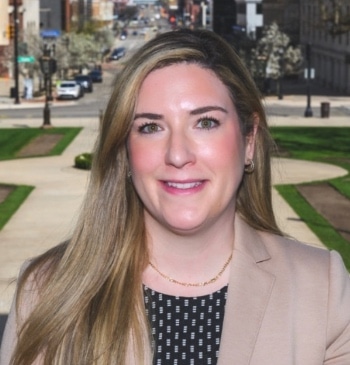
Kristen London, the clinical services manager of nursing for the older adult unit at Pine Rest Christian Mental Health Services, says that oftentimes older adults dealing with anxiety, depression, or loneliness are not given proper societal attention because discontent, isolation and disorientation are often associated with the inevitable aging process. London believes that these conditions do not carry the same inevitability as aging does, and that the stigma must be cut through.

“We have to look at the big picture and decide that just because they’re older doesn’t mean that those feelings need to come along with it,” London says. “It’s normal to properly grieve a spouse or a friend that’s died, but when they’re staying in that same feeling or emotion for a longer period of time, and it’s starting to affect their interactions and daily life, then that’s a change in normal behavior, and that’s something that we really need to look at.”
One of the most important things London pointed to in eliminating either type of stigma is community involvement. Pine Rest provides its patients with a variety of opportunities to find a place within a group, whether through a voluntary neighborhood club or group activities with other patients within their facilities. Community involvement plays a pivotal role for seniors dealing with acute loneliness. London says the goal is not simply to give these seniors tasks that will keep them busy, but to key in on something that sparks an interest in them, something that brings their sense of purpose back.
Community involvement is crucial in fighting stigma because it does not necessarily require the pouring out of one’s feelings, it only requires finding an interest and getting involved in something new. In other words, it’s a way to circumvent the stigma and get to the root it’s preserving.
“We have to figure out ways to make sure that our older adults are plugged into different activities, different volunteerism, different things to keep them engaged in their communities,” says Lauren Lapine, vice president of policy and rural health at the Michigan Hospital and Health Association. “I don’t think there’s a silver bullet for how to do that, but I think that we have to pay really close attention to how loneliness impacts folks with both a medical issue and a behavioral health issue.”
Whether seniors are accepting of it or not, mental health is a prevalent aspect of their lives that is in need of nurturing, as prevalent as the stigma that often prevents them from realizing it. But tactics for cutting through the invisible glass exist, tactics that can simultaneously reduce the underlying problem stigma is protecting.
Photo of Macomb County CMH staff courtesy subject.
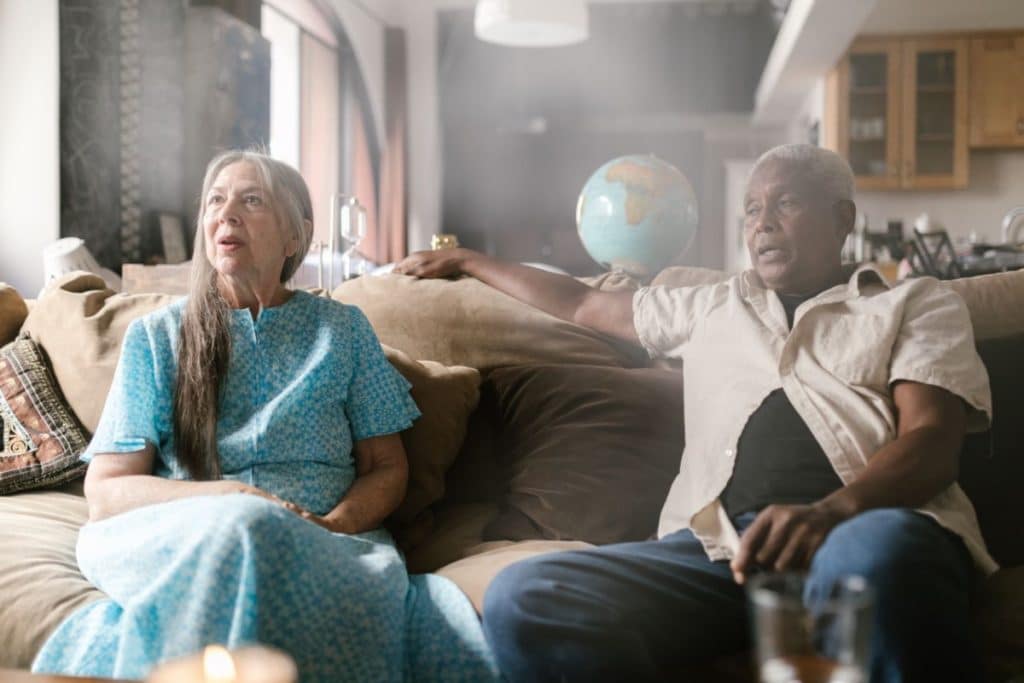
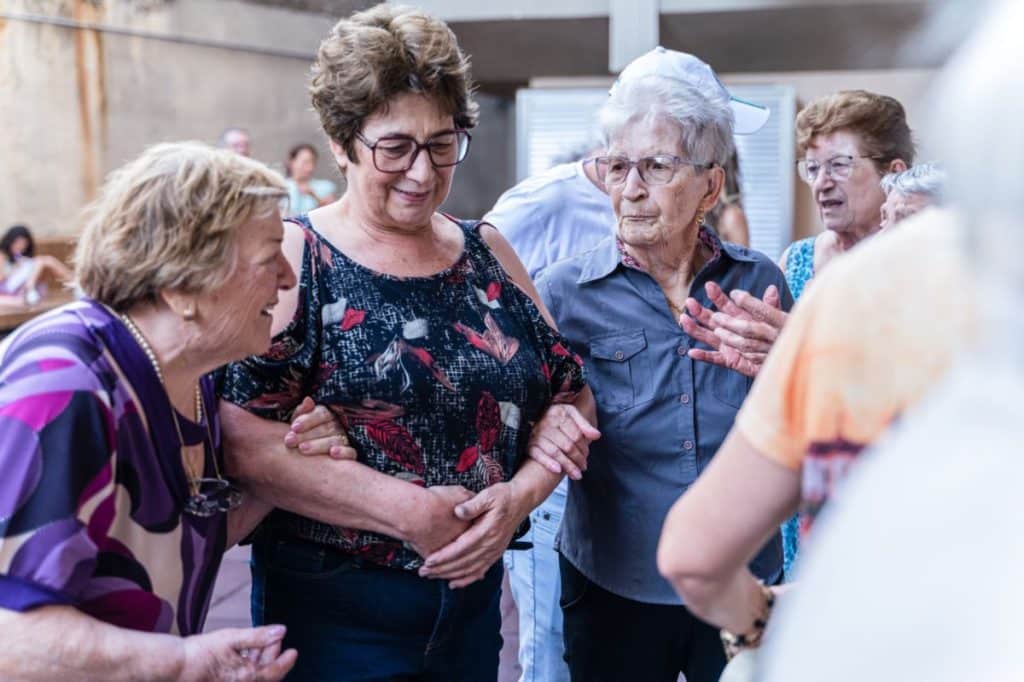
Photos of older adults by RDNE and Priscilla Cezar via Pexels.com.
Photo of Lauren LaPine by Doug Coombe.
The MI Mental Health series highlights the opportunities that Michigan’s children, teens and adults of all ages have to find the mental health help they need, when and where they need it. It is made possible with funding from the Community Mental Health Association of Michigan, Center for Health and Research Transformation, Lifeways, OnPoint, Sanilac County CMH, Summit Pointe, Michigan Health and Hospital Association, Washtenaw CMH, and Public Safety Preservation Millage.
Author

Related Articles
Idaho moms and grandmothers are taking the fight for abortion rights to their neighbors’ doors
It’s the only state this year where voters could reverse an abortion ban. With little national support, older women who never expected to be activists are powering the campaign.
Partner Partner Content Speciality clinics are helping close gaps in access to healthcare
The new clinic offers prenatal and postnatal care, behavioral health services, developmental support, and pediatric therapies in one accessible location at the Fort Wayne Urban League.

Food as Medicine: Prescription for a healthier community
Backed by Superior Health Foundation, a powerful coalition in Michigan’s Upper Peninsulahas launched a “Food as Medicine” program to fight regional food insecurity and directly improve community health through fresh produce prescriptions.