Data sharing among health providers boosts Michigan’s pandemic response
Beyond the color-coded counties and line graphs we've all seen, data sharing has helped Michigan's many health providers better understand and respond to the pandemic.

Beyond the color-coded counties and line graphs we've all seen, data sharing has helped Michigan's many health providers better understand and respond to the pandemic.

The successful program that allows shops and restaurants to conduct their operations outside was set to expire Sept. 7. However, the Holland City Council has voted to extend the arrangement, developed in response to the COVID-19 pandemic, through Dec. 1.

“People care about and protect what they know about. And if they have access to it, then they know about it.”

Because the need in their communities was so high, Black leaders were often being asked to serve more with fewer resources.

Larger parcels of land can be expensive and complicated, but they also create opportunities to unite communities around unique and impactful recreational amenities.

Going into that last rehearsal, I knew what had to happen, but it was still brutal.
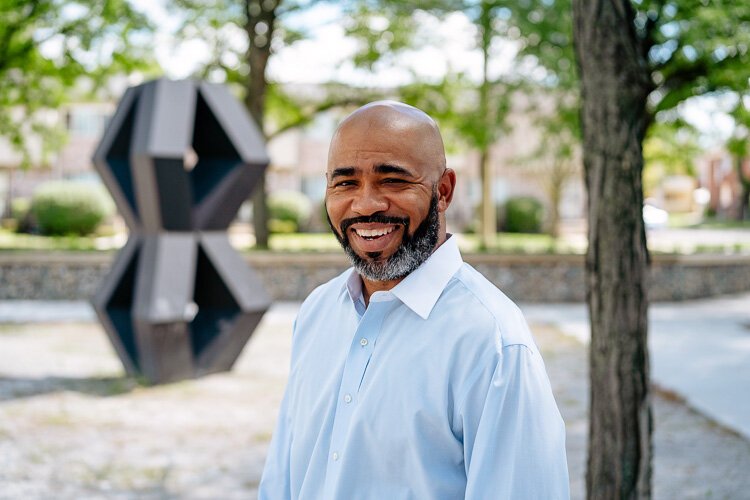
For some business owners, seeing that there was a grant they wouldn't be denied for based on systemic racism gave a sense of hope.

Relaxed state and federal regulations have allowed providers to offer more services online, resulting in increased engagement and opening the door to destigmatizing mental health.

Making music has been a source of inspiration during the pandemic for youth connected with the MSU Community Music School in Detroit.

Between 30% to 35% of the population has some issue that could make it difficult for them to interact with the outdoors. They deserve access.
Our Partners