Seeking help: What the mental health care journey looks like
More Michiganders are receiving mental health treatment for mental illness than ever before.
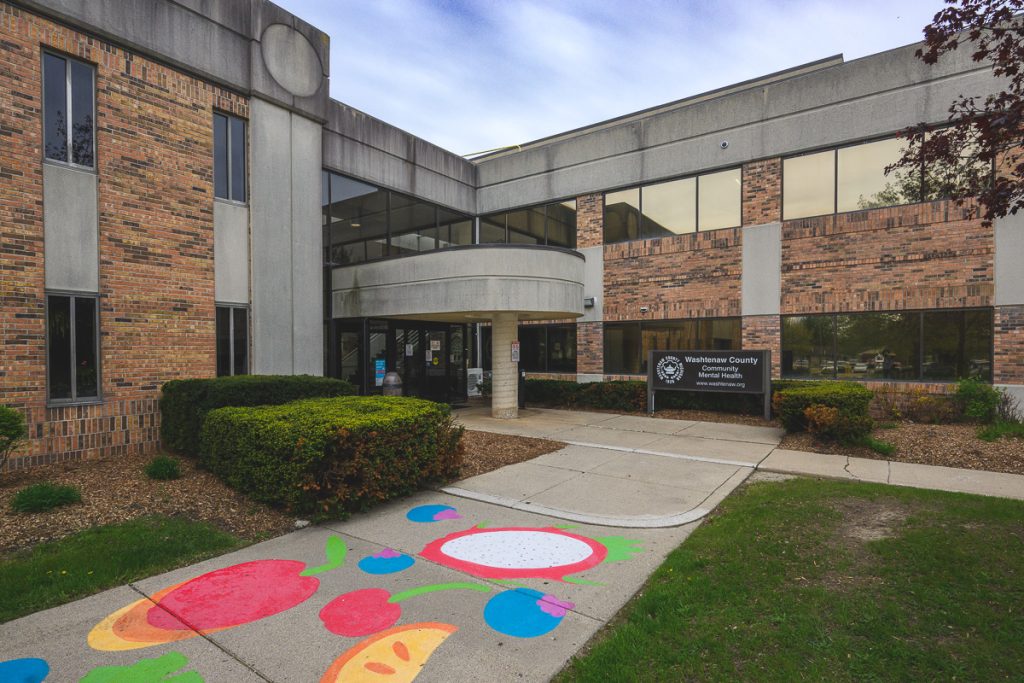
Click here to find a Michigan community mental health agency in your area.
People often can be unaware, sometimes for years, that they need mental health treatment. When they do realize they need help, they are confused about where to turn. Everyone presents differently, too.

“Knowing when to seek help is about being aware of yourself and your surroundings,” says Wil Morris, Sanilac County Community Mental Health CEO. “If you feel like you’re down in the dumps more often than not, feeling more anxious or more stressed, or maybe having a hard time dealing with loss … you should stop and really think about it. Is this something I need to talk to someone about?”
Morris believes everyone should educate themselves about the warning signs of mental health issues so they can help others connect with care if the situation calls for it. He compares it to learning CPR for physical health emergencies.
Levels of need vary for people who are seeking behavioral health care for the first time. Sanilac County CMH often treats clients who only require a few sessions of talk therapy. Other far more complex cases require treatment with medication and perhaps a lifetime of care, for example individuals living with schizophrenia or bipolar disorder. Morris emphasizes that there’s a great deal of hope with these diagnoses and that help is available for everyone with a mental health condition.
“There’s lots of medications that can control those types of symptoms, and there’s also a lot of behavioral techniques that can help, too,” says Morris. “In the past, being uninsured prevented many people from accessing mental health care until the situation became an emergency. But barriers like these are decreasing.”
Call 988 for free and confidential emotional support in suicidal crisis or emotional distress, 24 /7.
CCBHCs are for everyone
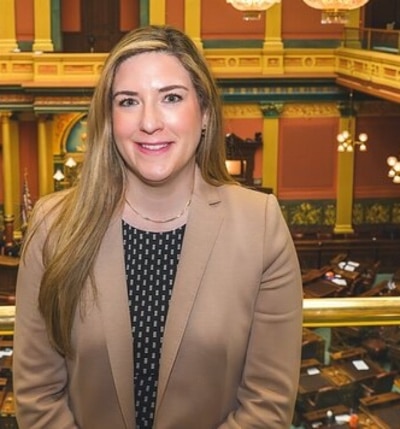
Certified community behavioral health clinics (CCBHCs) across Michigan like Sanilac County CMH see clients regardless of insurance. According to the University of Michigan’s Center for Health & Research Transformation (CHRT), the integration between primary care providers and CCBHCs is resulting in more Michiganders receiving mental health treatment for mental illness than ever before.
However, the first point of contact many people have with the behavioral health system is the hospital emergency department.
“Hospitals aren’t the best option for treating cases like these, but rather a last resort,” says Lauren LaPine-Ray, vice president of policy and rural health for the Michigan Health & Hospital Association (MHA). “Ideally, someone with a mental health condition will receive care earlier in the process to prevent them from spiraling. But too many people don’t seek help until the situation becomes a crisis.”

More Michigan hospitals are offering on-site mental health crisis care that gets people the help they need more quickly. In those that do not, emergency departments typically lack the providers or services needed to deliver the care these patients need but are appropriate when someone is experiencing suicidal thoughts or severe symptoms of psychosis, such as hallucinations. When someone presents at the emergency room in a behavioral health crisis, physicians assess their level of severity and work to connect them to the appropriate next level of care, which might be inpatient psychiatric care. But experiences vary even in these cases.
“Individuals requiring inpatient treatment are often held in the emergency department until a bed becomes available, which can result in extended wait times, particularly in areas without local psychiatric capacity,” says Matt Hill, CHRT senior project manager, Health Strategies and Innovation.
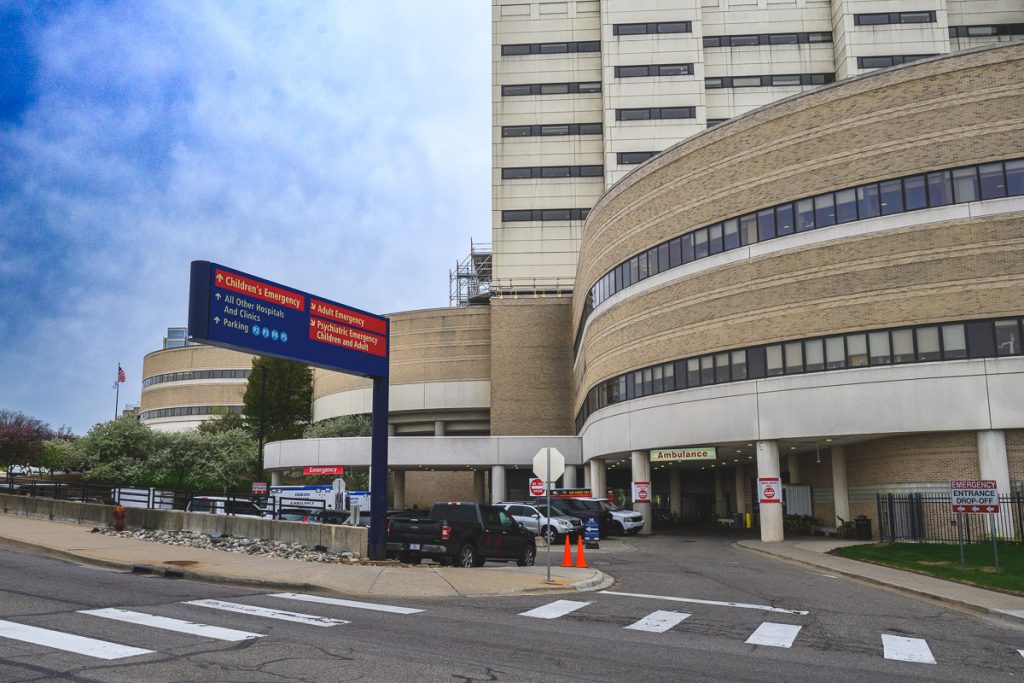
Long emergency department waits can postpone care
People seeking behavioral health care in a hospital emergency department often spend an extended period of time waiting there, a situation known as “boarding.”
“One of the reasons that we’re seeing a higher increase in boarding is because they are Medicaid beneficiaries who are waiting to be assessed by the local community mental health agency,” says LaPine-Ray. “Emergency department physicians are not allowed to determine the next level of care needed until they receive that assessment.”
For support for LGBTQ+ youth through The Trevor Project, text START to 678-678, call 866-488-7386, or chat online here. For dating abuse or domestic violence, contact the National Domestic Violence Hotline, 800-799-7233 or RAINN: Rape, Abuse and Incest National Network, 800-656-4673 or online here.
Every day, more than 155 patients, including 17 children wait in Michigan emergency departments for appropriate behavioral health services. Among Medicaid patients, one in three will spend more than 48 hours waiting for behavioral health care. Boarding disproportionately affects children and older adults because few long-term care options for these groups exist.
“There are severe limitations in capacity across the state for where these patients can go if they have a long-term behavioral health condition or even a disability,” says LaPine-Ray.
While the MHA hasn’t gathered specific data on another troubling issue, LaPine-Ray , hears anecdotally that many people become so frustrated with the long wait for follow-up care, they simply walk out of the emergency room.
Emergency departments typically lack the providers or services needed to deliver the care these patients need. These extended stays for behavioral health patients in hospital emergency departments consume millions of dollars in staff and facility resources and ultimately decrease hospitals’ ability to serve other patients requiring emergency care.
Finding care is easier than before
Michiganders seeking behavioral health care for the first time will still have an easier time finding it than in the past. According to Altarum, a nonprofit focused on improving the health of individuals with limited financial resources, and its Access to Behavioral Health Care in Michigan, 2022 Data Update report, approximately 69 percent of the 2 million Michiganders living with any mental illness received at least one treatment. In 2016, only 62 percent received at least one treatment.
Other causes have contributed to these overall positive trends. People seeking behavioral health treatment in Michigan are more likely to be treated by telehealth. Though telehealth made up less than one percent of care in 2019, it has surged to become a critical pathway for behavioral health care delivery, according to the same Altarum report. Only three years later, in 2022, telehealth accounted for more than 25 percent of behavioral health care for Medicaid enrollees and nearly 20 percent for the privately insured.
People seeking behavioral health care in Michigan today will also have an easier time finding a provider than in the past. Population-to-provider ratios are improving, from one mental health provider per 400 residents to one per 280 residents in 2025, according to the Altarum report.
Anyone experiencing mental illness or with loved ones experiencing mental illness can find support and information from NAMI-Michigan and its local Michigan chapters.
Photos by Doug Coombe
The MI Mental Health series highlights the opportunities that Michigan’s children, teens and adults of all ages have to find the mental health help they need, when and where they need it. It is made possible with funding from the Community Mental Health Association of Michigan, Center for Health and Research Transformation, OnPoint, Sanilac County CMH, St. Clair County CMH, Summit Pointe, and Washtenaw County CMH and Public Safety Preservation Millage.
Related Articles

Child Abuse Prevention Month spotlights year-round efforts to support parents, protect children
Bay Area hospital systems, community nonprofits have array of research-backed programs and resources to prevent child abuse.