IFF’s energy-efficient work allows nonprofits to reduce energy costs, increase their mission-driven impacts across Indiana communities
IFF is helping Indiana nonprofits reduce utility costs and improve facilities through energy-efficient building upgrades. Programs in Bloomington, South Bend, and Indianapolis are helping organizations reinvest savings back into their community-focused missions.
Nonprofits and organizations working diligently on their mission-critical work within their communities don’t always have the time or resources to upgrade their facilities. Their buildings might be lacking adequate or energy-efficient heating, cooling, or utilize outdated lighting, which can be costly and end up draining their already thin budgets.
IFF, the Midwest’s largest community development financial institution (CDFI), is helping Indiana nonprofits complete energy-efficient building upgrades that reduce utility costs and improve community facilities — through the SEEL program in Bloomington, the EASSI program in South Bend, and the Thriving Nonprofits initiative in Indianapolis.
The CDFI works to uplift Midwestern states including Indiana, Ohio, and Michigan by providing community-centered lending, development and real estate consulting to urban and rural communities — providing affordable financing to nonprofits in the housing, education, health care, and arts and culture sectors.
Donna Sink is the director of real estate solutions for Indiana at IFF, helping buildings with both finance and real estate.
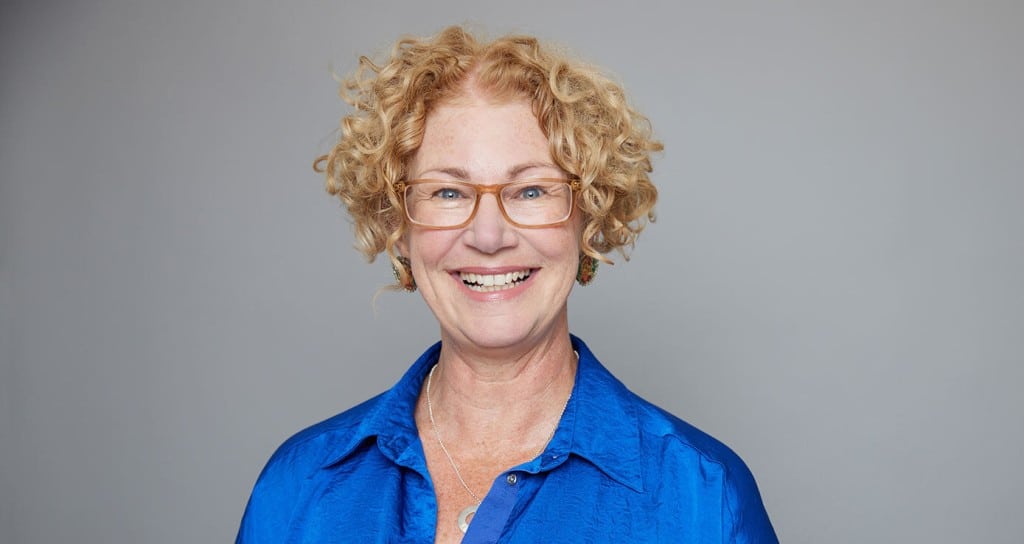
“IFF’s mission is to help nonprofits thrive wherever they are, and to help their buildings serve their mission better. In the real estate solutions department, we work with nonprofits who have a building that they want to buy, renovate, or change in some way. We want to make sure that nonprofits have buildings that suit their needs and suit their function.”
Sink says most nonprofits with limited resources are also in need of additional resources to keep their buildings warm, safe, dry, and comfortable.
“We would rather see nonprofits have those limited funds go to serving their mission rather than to heating or cooling what might be a very leaky building,” Sink says. “It’s about making sure the buildings are working, functioning well and with dignity — hopefully not a drain on the financial resources of the organization. Nonprofits by definition are service-oriented, and have a certain mission that’s the ‘North star’ of the organization. People that work at nonprofits are working really hard with their heart and soul towards that mission, and we want them to be as comfortable in their surroundings and work spaces.”
The SEEL program in Bloomington was the first that really got IFF thinking about an energy-efficiency focus for their clients, says Sink. The city-funded grant program runs through the Office of Sustainability in Bloomington that provides up to $10,000 in matching grants for nonprofits to be applied to energy-efficiency upgrades to their building.
Nonprofits receive free energy and facility assessments of their building, giving them an analysis of their issues and assets.
“We go into the building, looking at the structure, the roof, walls, windows, lighting, appliances and mechanical systems, gaps around doors, insulation and things like that. Then we make recommendations for how they could spend some well-spent money to improve their bottom-line utility costs as well as occupant comfort in the space.”
IFF helps between six to 10 organizations with free building assessments and $10,000 in grant money to do improvements. IFF is on site every step of the way — reviewing utility bills, writing reports, meeting with the organizations to help select and finalize what the best use of funds is, finding contractors, and project managing the improvement work.
Another similar program is the EASSI program in South Bend, through the Office of Sustainability in South Bend. The program provides up to $30,000 in grant dollars to organizations.
“They have a much more robust grant format where they can grant additional funds for things like a solar array or reimbursement for energy-efficient appliances. We have been running that program for four years. Each year with EASSI, we’ve done about 12-15 organizations.”
Based on the two above programs, in Indianapolis, there’s also the Thriving Nonprofits program. Launched two years ago, through a private grant from the McKinney Family Foundation, IFF runs the program with the cooperation and partnership of the Indianapolis Office of Sustainability.
Mo McReynolds is the director of the Indianapolis Office of Sustainability, IFF’s partner for the Thriving Nonprofits program. This program awards matching grants up to $10,000 to facilitate building upgrades throughout nonprofits, schools, early childhood centers, public libraries, medical facilities, grocery stores, food pantries and more throughout Marion County.
“Our primary goal is to help execute on Thrive Indianapolis, which is our city’s sustainability and resilience plan that incorporates eight different themes at which we work with stakeholders and various members of our community,” McReynolds says. “We work on usage, buildings, energy systems, urban agriculture, transportation, waste systems — pretty much entirely across the climate action sector.”
The goal of Thrive Indianapolis is to preserve the air, water, and soil health within the community.
“That’s the sustainability aspect of it, and the resilience aspect of it is when challenges happen to your community — like a major weather emergency, an economic shortfall, or a global pandemic — that our communities are not only bouncing back, but they’re bouncing forward. That’s that resiliency, and the combination of preservation and resilience is what I consider thriving.”
Together with IFF, the Indianapolis Office of Sustainability provides a whole-building energy assessment. Through the Thriving Nonprofits program, they have conducted 10 energy-focused building assessments, totaling $300,000 in investment, saved organizations $36,550 in total annual utility bill savings, and enabled 240,000 kWh in total energy savings, and 150 metric tons of total CO2 emission savings in the past year.
McReynolds says it’s a win for all parties involved.
“If we can find benefits for the people, the planet, and for profit — that’s our triple bottom line. This truly succeeds in that. Now, these nonprofits can pay less for their utilities, can funnel more money back into their mission-based work, and we benefit because they’re using less electricity.”
Second Helpings is a food pantry that feeds thousands of people throughout Indianapolis every day, and utilized resources from the Thriving Nonprofits program.
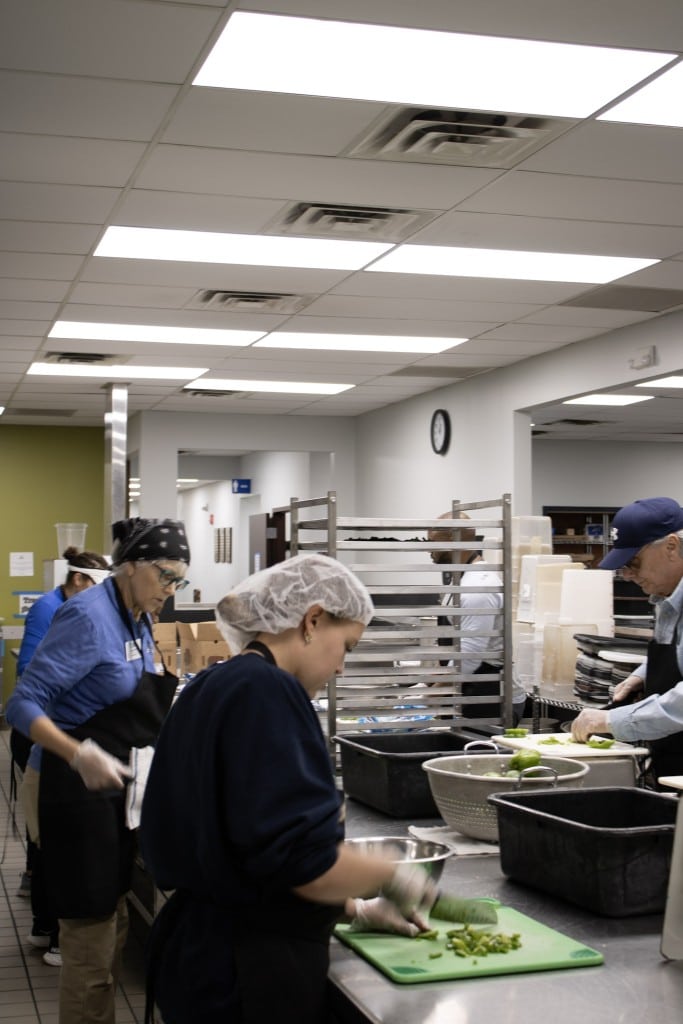
“They were in the first cohort, and converted their lighting system to an LED lighting system,” McReynolds says. “This is going to last them longer and it’s going to cost less to keep the power on, and make it so they don’t have to change those lights as often. It’s a win for that organization entirely, and they can spend more money from their budget feeding people — which is exactly what they’re there to do.”
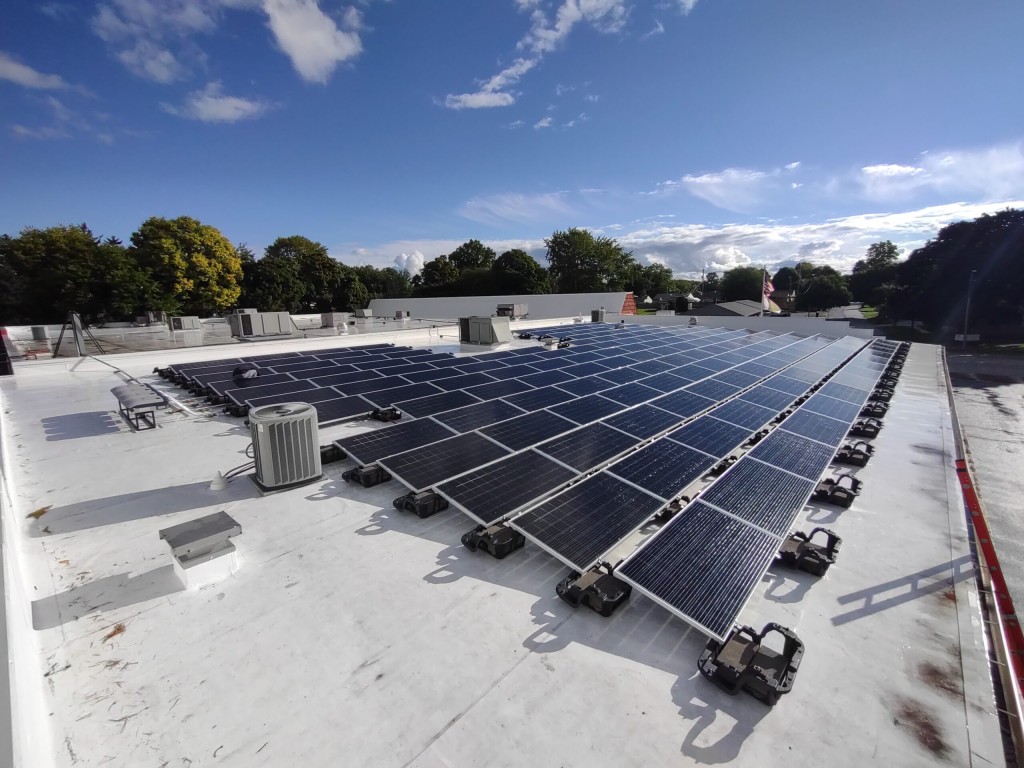
Other nonprofits have been able to update heating systems, reinforced roofs, install solar panels, and other updates that enable them to serve their communities more effectively.
The first cohort received 44 applicants, showing a need within the nonprofit space for energy efficiency and renewable energy grants. McReynolds hopes the program can continue to grow.
Sink says working together with local governments and IFF together can help organizations not only receive a one-time grant but to also improve energy-efficiency in the long-run.
“They become part of a continuum of improvement and upgrade that will help those organizations and buildings become more and more efficient over time,” she says. “The City is really an outreach and connector of a lot of benefits for the nonprofit programs, and IFF is really the boots on the ground doing the work in the building.”
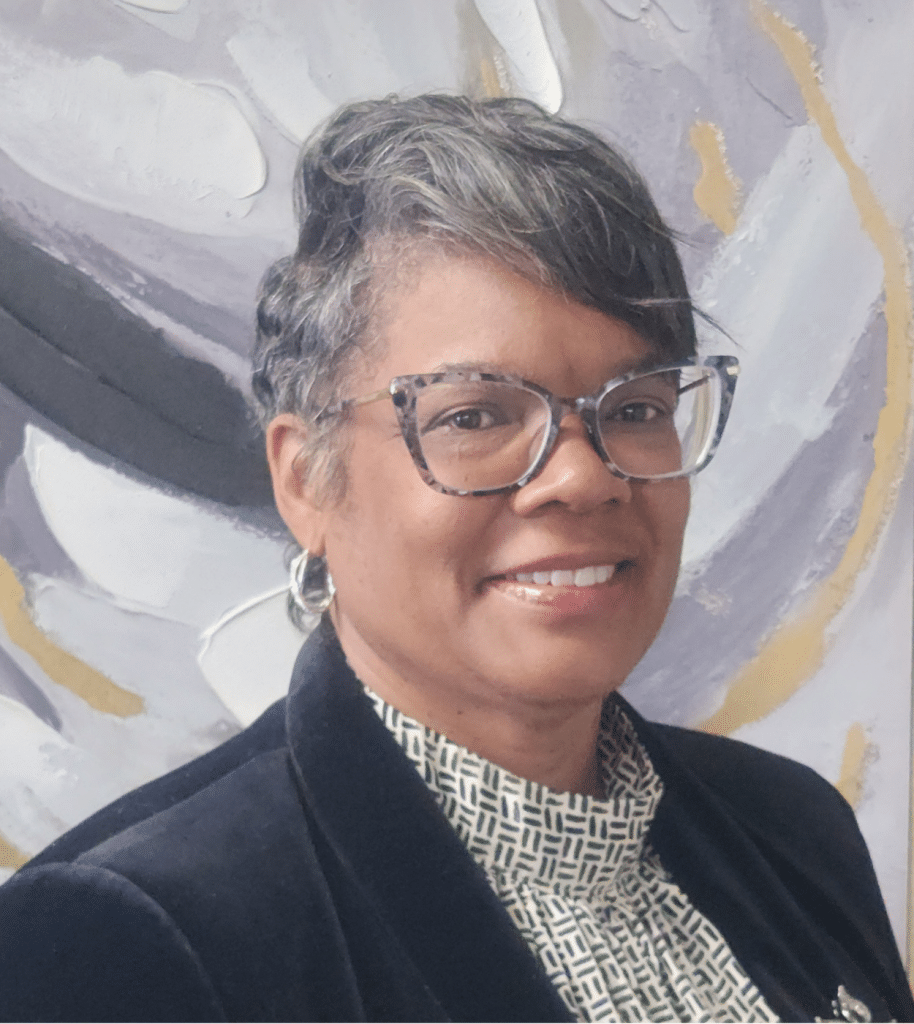
Patricia Mays is the executive director of the Community Action of Greater Indianapolis (CAGI), a member of the first cohort of Thriving Nonprofits. The organization works to eradicate poverty, promote upward mobility and empower people to become self-sufficient.
“Our services include workforce development and entrepreneurial training, case management, weatherization, the Foster Grandparent volunteer program, financial literacy, homebuyer education, and support services for justice-involved individuals,” Mays says.
Working with IFF has been instrumental in helping CAGI with invaluable guidance and support, says Mays.
“The Thriving Nonprofits cohort was a significant benefit to our agency,” she says. “The installation of the heat pump unit provided a comfortable and welcoming climate as our justice-involved participants graduated from the entrepreneurial development REDi program. We are grateful for the opportunity to participate in the cohort and deeply appreciate the partnership and longstanding relationship we have developed with IFF.”
Applications for the second Thriving Nonprofits cohort went live earlier this month. The goal is to get nonprofits together as a resource for one another, sharing resources and referrals throughout the network.
“Building these programs on the cohort model is really important because it also helps that community support from other nonprofits to thrive, we hope,” Sink says. “That’s one of the goals.”
This story is part of a four-part series about the community development financial institution IFF’s innovative and impactful resources positively shape the Midwest communities in which they serve. This series is supported by IFF.
Author

Related Articles

How Trump’s immigration crackdown is harming children — including U.S. citizens
Unless the courts intervene, immigration officers can now reject applications for green cards or certain visas if applicants or their families have enrolled in federal safety net programs.
MI CDFI Coalition members, collaborators help create connections and collective identity in communities
In order to create sustainable economic and community development, it takes a village, or in this case — an entire ecosystem of organizations, advisors, coalitions, CDFIs, and other collaborators to help foster a sense of place.
Minock Park Place provides new affordable senior housing for Detroit’s older residents
In the heart of Detroit’s Grandmont Rosedale neighborhood, a 42-unit, mixed-use development has given senior citizens brand-new affordable housing. Minock Park Place was seven years in the making, and marks the first affordable senior housing community in the neighborhood, located at 19505 Grand River Ave. — a vital commercial and cultural artery.