Michigan’s community mental health system: Overcoming stigma to provide needed care
Community mental health has played an important role in shifting the culture to asking for help.
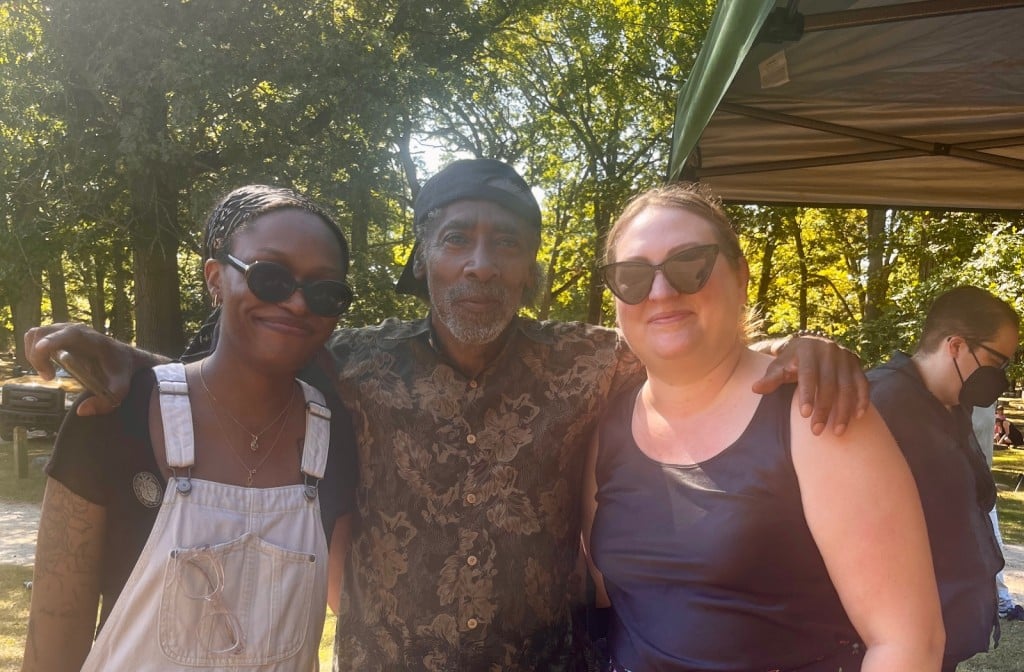
The Community Mental Health Association of Michigan (CMHA) is a network of 62 nonprofit community mental health (CMH) agencies delivering direct services across Michigan. Michigan’s CMHs serve more than 300,000 people annually — adults with serious mental illness, children with serious emotional disturbance, people with intellectual or developmental disabilities, and people with substance use disorder.
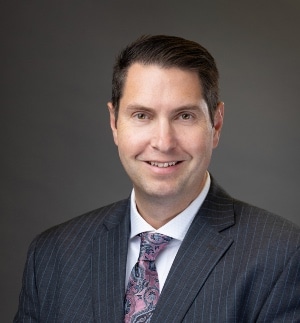
MI Mental Health spoke with Alan Bolter, CMHA’s CEO, about the good work Michigan’s CMHs are doing for folks and how funding changes will impact the future.
Q. Community mental health agencies have put good effort into reducing stigma around getting mental healthcare. How have those efforts paid off?
A. There’s been tremendous progress made in changing how people think about mental health and the importance of seeking help. Not that long ago, mental health was something that people were often reluctant to talk about. Today, we’re seeing more and more open conversations in schools, workplaces, and communities — even around the dinner table, people talk about it more openly. People increasingly recognize that mental health is just as important as physical health, and that asking for help is a sign of strength.
The public mental health system — the community mental health organizations — have really played an important role in raising that awareness and shifting the culture to asking for help. They’ve done that through education, outreach, and partnerships with their schools and their community organizations. The efforts have made it easier for people now to connect to services more so than they ever have in the past.
Q. What other CMH initiatives have made mental healthcare more accessible in Michigan?
A. Our members are most proud of the innovative ways that they reach people to improve access, particularly in communities where services have been historically difficult to obtain. A lot of our CMHs have looked at ways to expand mobile crisis responses. They’ve looked at strengthening partnerships with schools, hospitals, and local law enforcement. They are trying to develop new approaches to delivering care outside of the traditional office setting.
These efforts are especially important because people don’t always experience a mental health crisis during regular business hours — and getting help should not depend on where someone lives. We’ve tried to be cognizant of placing a significant emphasis on improving access in rural communities, especially knowing that rural CMHs have workforce shortages, transportation challenges, and long distances for people to access the care. They’ve looked at things like tele-health and mobile services to enhance services that they provide. They’ve done a good job of going beyond their four walls.
Q. How does CMHs’ connections to the communities they serve ensure mental health needs are better met?
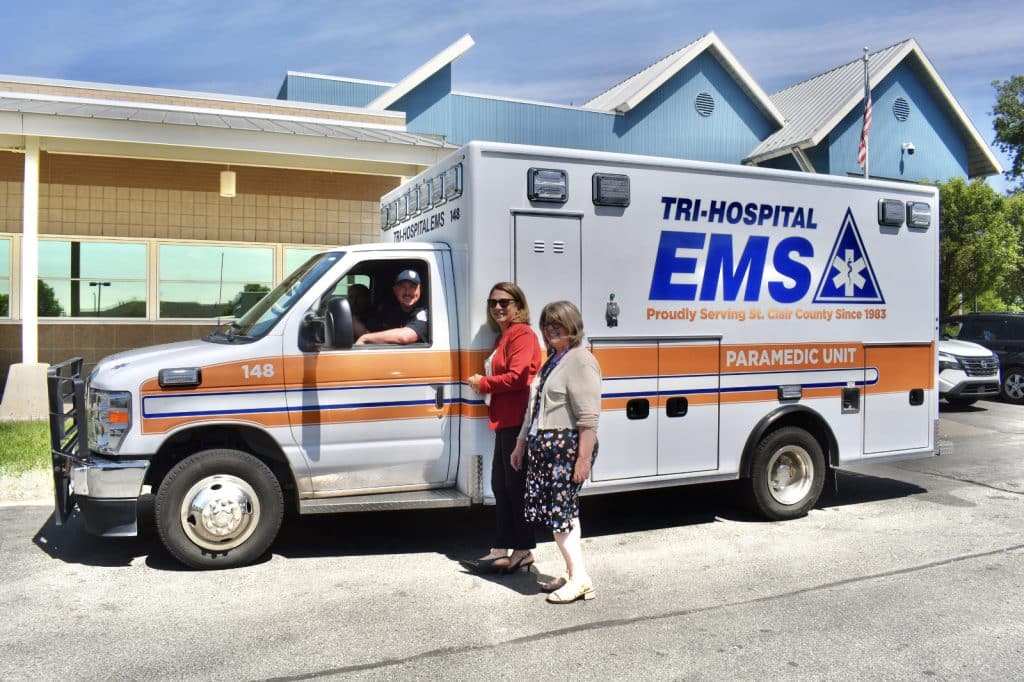
A. When we talk about our public mental health system here in Michigan, the cornerstones of that system is the local connection, that local accountability. Our CMHs are not organizations that just administer services. They are really part of the community that they serve. They know their local schools, hospitals, law enforcement, courts, housing, and other community partners. So they provide a safety net. That local knowledge matters. Someone living in rural northern Michigan may be completely different from someone living in Metro Detroit or Grand Rapids. Locally governed CMHs can identify emerging needs, develop community partnerships, and really tailor services to meet their community’s needs.
Q. How have CCBHCs increased access to and the quality of mental healthcare?
A. CCBHCs have really been a game changer, not only here in Michigan but across the country. We give all the credit in the world to Senator Debbie Stabenow and her colleague Roy Blunt from Missouri for spearheading this at the national level. The CCBHC is a no-wrong-door approach. If you are on Medicaid, if you have commercial insurance, if you have no insurance, CCBHC is open to everybody. It’s really been a transformational program that has come here to Michigan. We have 35 sites — the amount of people they are reaching has increased dramatically.
From anecdotal data, we know that CCBHCs have lowered hospital emergency visits. They have lowered the amount of people going to local county jails. People receiving services through their CCBHC do not go to the psychiatric in-patient as frequently. This is over a $900 million investment that the state has made in this program. It is really transformational in how it is changing care here in the state.
Q. As HR1 Medicaid changes take effect, how will Michigan’s CMHs continue to do the good work they are doing for Michiganders?
A. Funding is very tenuous right now. The strain that’s going to be on the Medicaid program is something that has not been felt before. Medicaid is going to get stretched about as thin as it can be, and Medicaid makes up 95% of the funding for the public health system. Our members get paid for every person enrolled in Medicaid. If people lose their Medicaid coverage, that is less revenue that comes in. We’re actually doing a research study to show what that gap will be for behavioral health services.
We are particularly concerned with the loss of individuals receiving Medicaid through Healthy Michigan, the Medicaid expansion program. Two years ago, Healthy Michigan Medicaid expansion for behavioral health was $525 million. For fiscal year 27, it’s going to be $392 million, and it’s going to continue to drop as people lose Healthy Michigan. There are estimates that up to 300,000 people could lose Healthy Michigan over the next couple of years. Where do they go? What do we do? That’s one of the budget pressures that our members are going to be faced with.
How do you serve those individuals? It’s going to be a reliance on crisis-based services. You’re going to see more people in hospital emergency departments and in jails.
In 2013, when Michigan expanded Medicaid, one of the ways they paid for it was through the general fund dollars received from our CMH system. Our CMH system had almost $300 million of general fund. They took $200 million of that CMH general fund and said, “This is one of the ways we’re going to pay for this expanded Medicaid population. Don’t worry, the CMH system is going to get all of this federal Medicaid funding to make it up.” Now, we’re at $125 million of general funds.
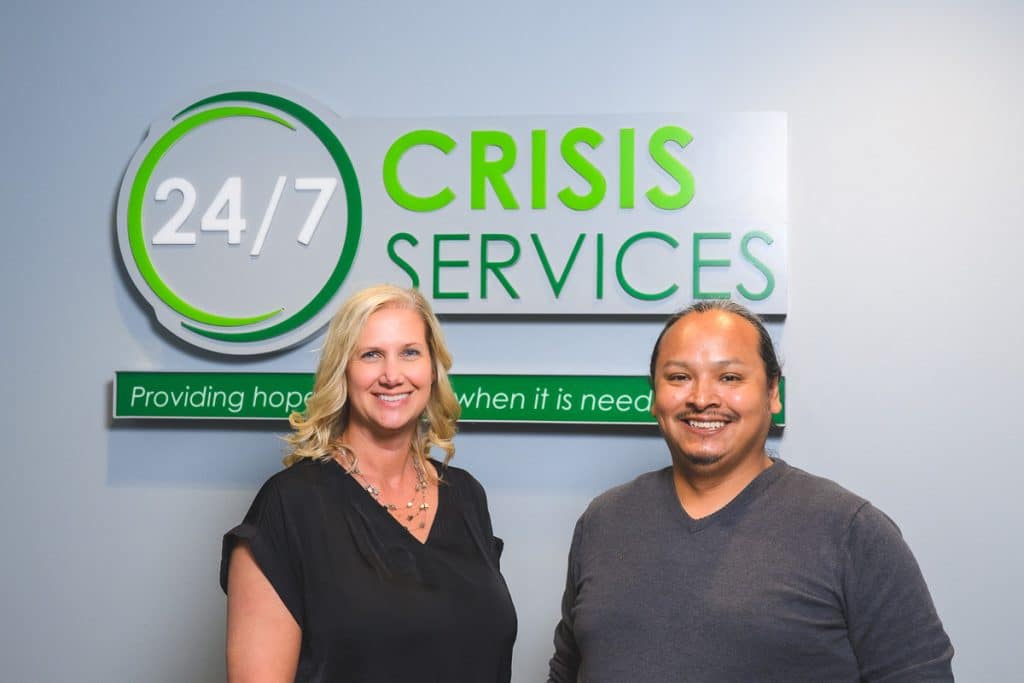
Q. How will Michigan’s CMHs continue to do their good work?
A. CMHs are going to continue to prioritize the individuals that they serve. They’re going to get creative and ask, “How do we continue to provide high quality services?” We’re asking policymakers to take unnecessary administrative burdens, regulations, and red tape off the plate — lessen some of that burden to free up more time to provide services and absolutely maximize the dollars going in into services.
We’re all going to have to sit down and figure out where we want to go and how best do we get there. And it’s not just our mental health, our CMH members. It’s all across healthcare. We’re all going to have to figure out how to do this better. Because it’s like we’re fighting this with one hand tied behind our back.
Photos by Leslie Cieplechowicz, John Grap, and Doug Coombe.
Alan Bolter photo courtesy CMHA.
The MI Mental Health series highlights the opportunities that Michigan’s children, teens and adults of all ages have to find the mental health help they need, when and where they need it. It is made possible with funding from the Community Mental Health Association of Michigan, Center for Health and Research Transformation, Lifeways, OnPoint, Sanilac County CMH, Summit Pointe, Michigan Health and Hospital Association, Washtenaw CMH, and Public Safety Preservation Millage.
Author

Related Articles
High-risk pregnancy doctors publish new standards for care under state abortion bans
A group of maternal-fetal medicine specialists has developed new guidelines to help providers in those states navigate legal risks for themselves and medical challenges for their high-risk patients, Stateline reports.
New arrivals in the ER? Georgia gears up to solve rural maternal health crisis
Most of Georgia’s counties are without a labor and delivery unit. To fill those gaps, the state is looking to equip emergency rooms to handle obstetric emergencies. Advocates and doctors worry, however, that the ER is being used as a stopgap.

Older adults suffer when stigma keeps them from mental health care
Generational stigma and diagnosing mental health issues as part of aging rob older adults of the help they need.