Relationships with law enforcement and community organizations central to rural mental health services
For Sanilac County Community Health, tech supports help but collaborations make the difference.
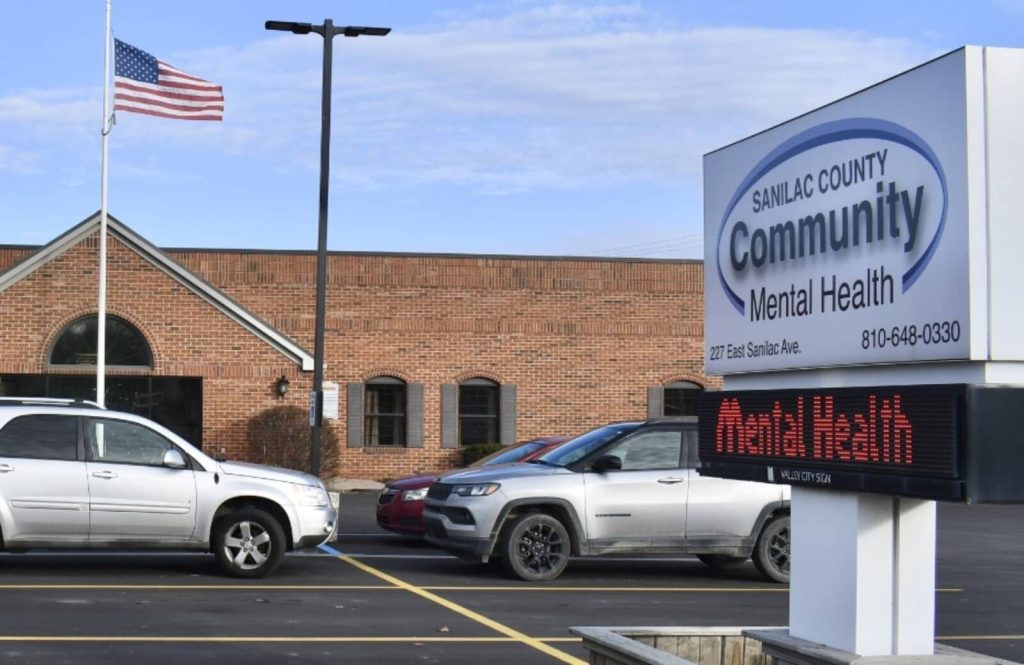
In 2022, Sanilac County Community Mental Health (CMH) provided iPads to law enforcement. When officers encounter a person in a mental health crisis, they can connect the person with real-time mental health support via video chat.
“It is 24/7 accessibility,” says Sanilac County CMH Chief Executive Officer Wil Morris. “Collaboration with law enforcement and courts is crucial for effective mental health services. The program has also improved response times and resource allocation, particularly in emergencies.”
In addition to extending mental health services beyond the Sanilac County CMH’s brick-and-mortar facilities, the program has fostered a growing relationship between the CMH and law enforcement over the years, increasing access to mental health crisis response for residents of the mostly rural county.
“The program garnered a lot of goodwill in 2022 and 2023 when we had new police chiefs and a new sheriff. It helped build more of those relationships,” Morris says. “We actually meet with the judges about every three months just to just have lunch, see what’s going on, and ask about any concerns they have. We keep those lines of communication open.”

Relationships at the core
To build on those relationships, Sanilac County CMH invites county judges, court staff, the county administrator, health department officers, local police chiefs, the rescue mission director, and city managers to join its staff for community leadership training.
“We get to know each other better, and it really opens the lines of communication,” Morris says. “I get calls from the sheriff and police chiefs if there’s any situation. I got a call the other night about a person who got shot [by a friend] playing with a gun. The sheriff didn’t know if that was going to end up becoming a mental health crisis.”
Morris stresses the difference between a mentally competent person committing a crime who gets depressed when they’re caught and a person in mental health crisis exhibiting menacing behavior. The CMH’s relationship with law enforcement has helped officers determine this difference.
“I’ve spent a lot of time educating our police departments,” Morris says. “If someone is truly having a mental health crisis –– they’re having paranoia, hearing voices, severe depression, thoughts of harming themselves –– the earlier the intervention, the better. Incarceration is just another form of trauma for those folks. It will make their symptoms worse, and it will be harder to treat.”

Virtual options make real-time sense for EMS and ERs
Sanilac County CMH also provided iPads to emergency medical services (EMS) and hospital emergency room staff for virtual mental health assessments, saving time and resources.
“Sometimes it’s EMS that’s going out to a really horrific accident, and there’s a victim on the side of the road that needs someone to help them regulate their emotions,” Morris says. “For that person to be able to talk to one of our trained therapists helps them calm down and refocus themselves.”
Michigan hospitals are required to provide patients in mental health crises with a mental health assessment before they are admitted to a psychiatric facility. In many counties, including Sanilac, the local CMH does the screening. While the state requires initial assessments be done in person, Sanilac CMH can now do daily re-checks on the iPads.
“We can do those rechecks virtually to save time so staff can focus on finding that person a bed,” Morris says. “Driving all the way over to the hospital to do an eyes-on for a 15-minute conversation loses our staff an hour, potentially two hours, of their time, depending on which hospital in the county they’re at.”
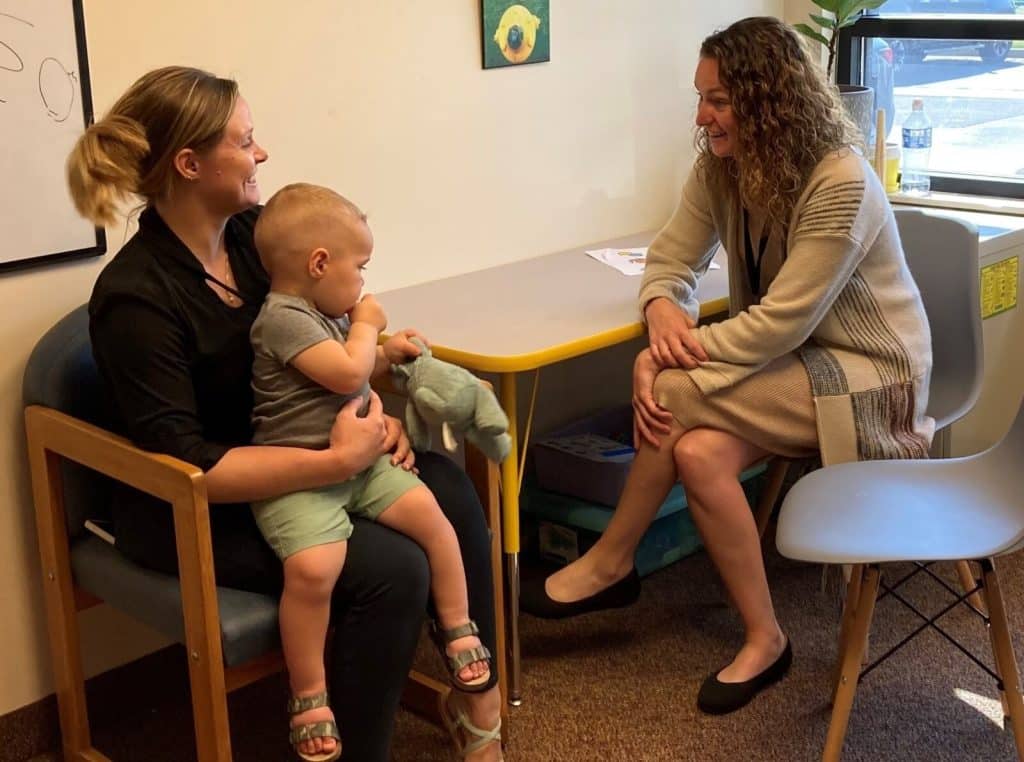
Rural connections: Tech’s not the answer yet
While Sanilac County’s law enforcement agencies and first responders have access to an internet signal wherever they are in the county, all residents do not. Dead zones without cell phone service and lack of internet infrastructure in some locations mean in-person care remains the most reliable. And that’s where relationships come into play again.
“I know all of the leadership of all the other county organizations by name. I can recognize who they are because I talk to them all at least a couple times a month,” Morris says. “Those collaborations help us keep tabs. They’ll call us and say, ‘Hey, my neighbor, Tom, needs help.’ I’ll call Tom, and Tom might hang up on me. But we keep tabs on him. We wait for him to be ready to come for help.”
Mental illness does not discriminate between rural and urban settings. However, treatment options do. In rural settings, social isolation and lack of transportation to services are more pronounced. People may not have a way to get to a mental health appointment. And with county residents spread few and far between –– and internet service spotty –– both in-person and virtual support groups are difficult to maintain.
“Folks who, because of their symptoms, may act a little differently, and their neighbors might shun them, they truly are isolated,” Morris says. “It’s worse in a rural community because there aren’t as many resources for them.”
To meet these challenges, Morris and the Sanilac CMH staff focus not only on those professional collaborations but also on community outreach, attending and hosting community events. While the small population does not warrant a full blown mobile crisis team, staff members take turns on call to meet after hours mental health crises –– and, when needed, drive to provide services face-to-face.
Morris concludes, “In rural communities –– actually in all communities –– it’s important to have those relationships.”
Photos by Elizabeth Fredendahl
The MI Mental Health series highlights the opportunities that Michigan’s children, teens and adults of all ages have to find the mental health help they need, when and where they need it. It is made possible with funding from the Community Mental Health Association of Michigan, Center for Health and Research Transformation, OnPoint, Sanilac County CMH, St. Clair County CMH, Summit Pointe, and Washtenaw County CMH and Public Safety Preservation Millage.
Author

Related Articles

Dementia care navigators help Coloradans get the support they need
Launched in 2024 by the Centers for Medicare and Medicaid Services, the GUIDE model provides care and support for Medicare beneficiaries living with dementia as well as their caregivers.
University of Michigan program offers expensive denture treatment for free
The University of Michigan’s Senior Implant Overdenture Restorative (SenIOR) program offers implant overdentures for free and is aiming to improve insurance coverage for the treatment.
GuardCare partnership brings free healthcare to Ohio Appalachian residents
GuardCare provided free health services to nearly 500 Ohio residents, highlighting both collaborative solutions and persistent gaps in dental care.