How creating space for connections can drive neighborhood development
Fort Wayne's neighborhood leaders use a shared space to crowdsource solutions and share ideas. These connections lighten the workload and stretch resources.
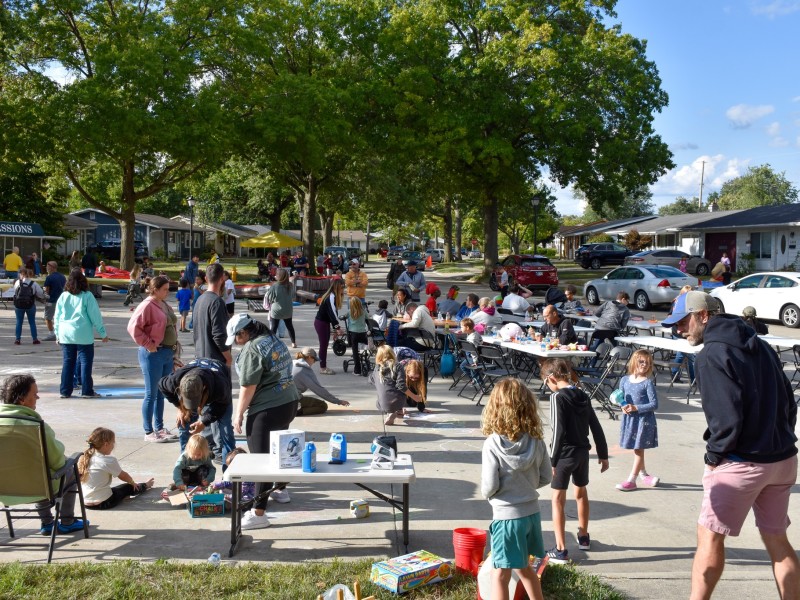
Fort Wayne's neighborhood leaders use a shared space to crowdsource solutions and share ideas. These connections lighten the workload and stretch resources.
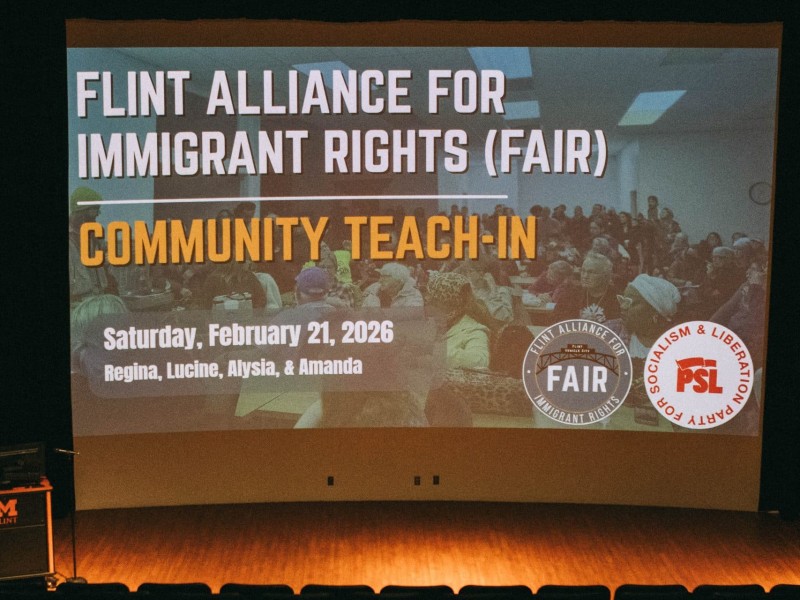
FAIR Flint strengthens immigrant support through advocacy, resources, and coalition building.
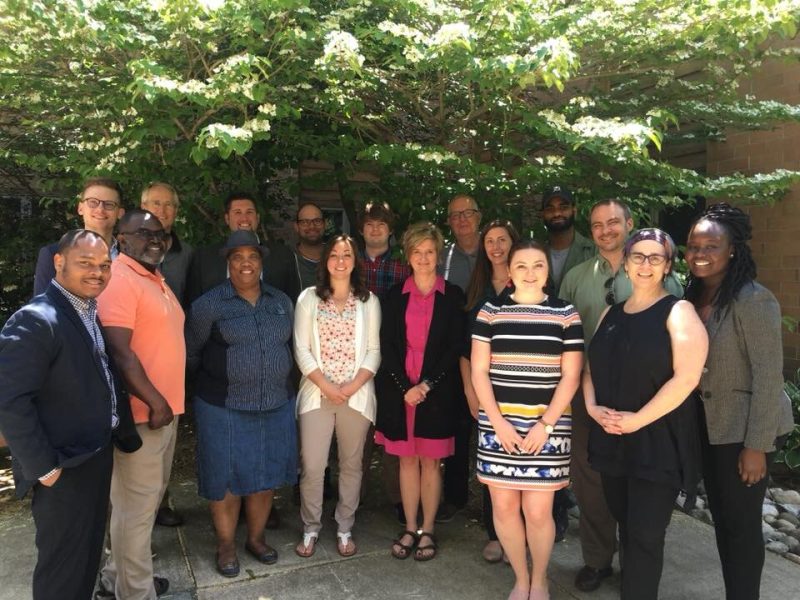
For Jubek Yongo-Bure and Dakota Riehl, attending the CEDAM Real Estate Development Boot Camp a few years ago was critical to their careers. Learning the ABCs of community development served as a catalyst to inspire and reinvigorate the important work done in neighborhoods. These former students have even gone on to become presenters at the immersive educational conference, showcasing their personal full-circle moments of growth and career development.
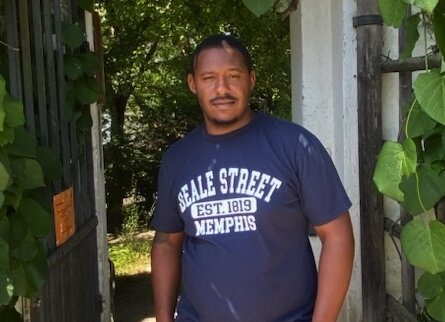
Using urban acupuncture, this Detroit nonprofit revitalizes alleyways to create a healthier and sustainable environment for its residents.
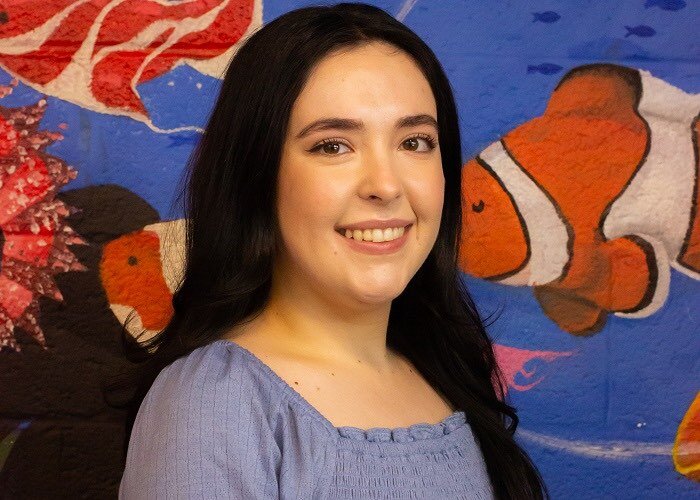
When she was 12 years old, Alejandra Gomez, started participating in afterschool activities in Southwest Detroit at United Neighborhood Initiatives. Today she leads afterschool and out-of-school programming for the agency, bringing creativity, heart and expertise to her work with young people.
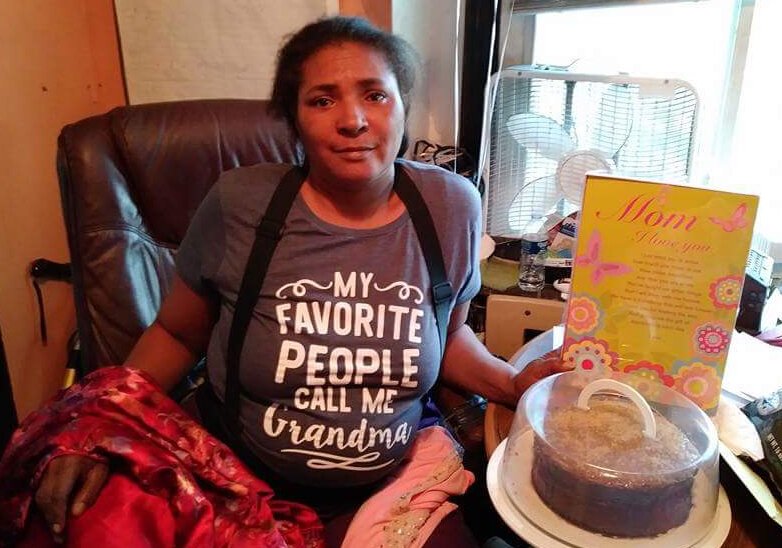
Sonia Brown, known as Auntie Na, is rehabbing a house to be much more than a food pantry to serve Detroit’s west side. Nutrition education around healthy food shopping, meal preparation, and growing vegetables will take place at the “nutrition home,” located in the beloved neighborhood known as Auntie Na’s Village.
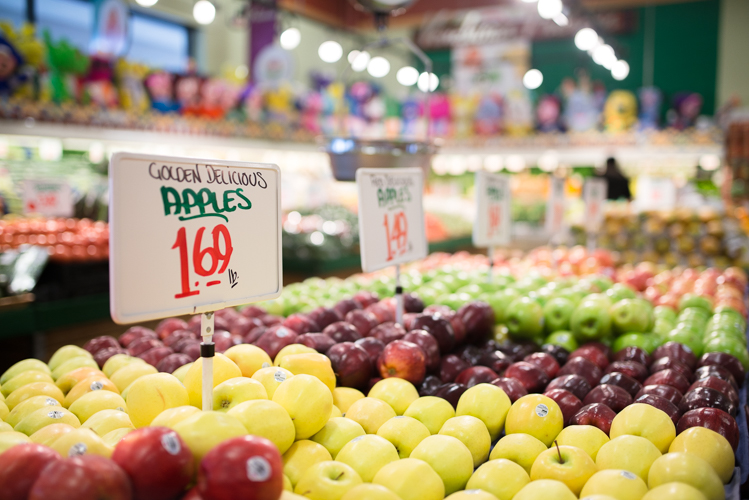
In Michigan cities, corner grocery stores don’t always increase access to healthy produce. In Detroit and Flint, some researchers are taking a closer look at customer service as a barrier to food access.
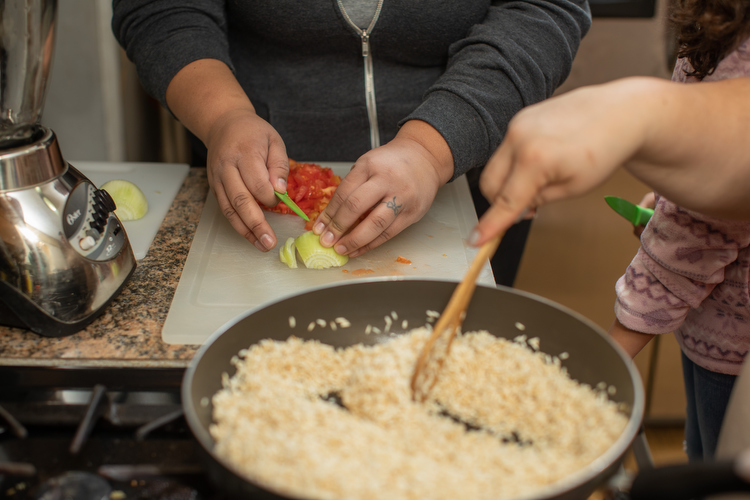
From Grand Rapids to Sault Ste. Marie to Detroit, Michigan organizations and activists are tapping into the value of community gardens, culturally relevant dishes and local resources to build community.
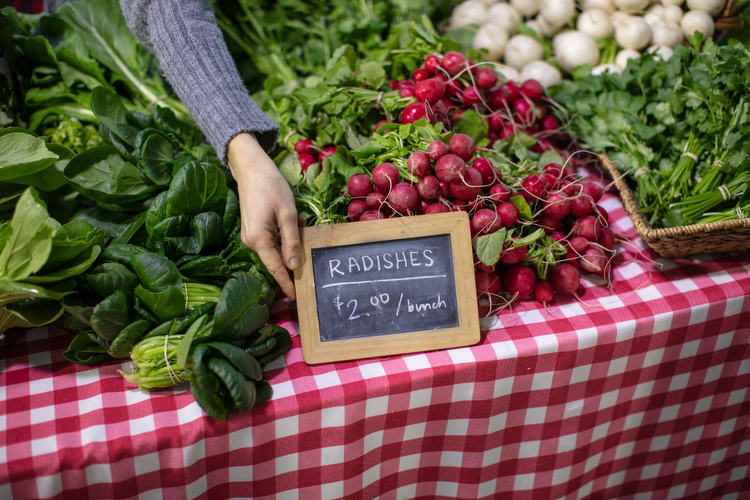
Designed to help feed people in times of need, the community food pantry has instead contributed to illness. Now, some Michigan organizations are reworking the charitable food model to provide access to healthful farm-grown foods instead.
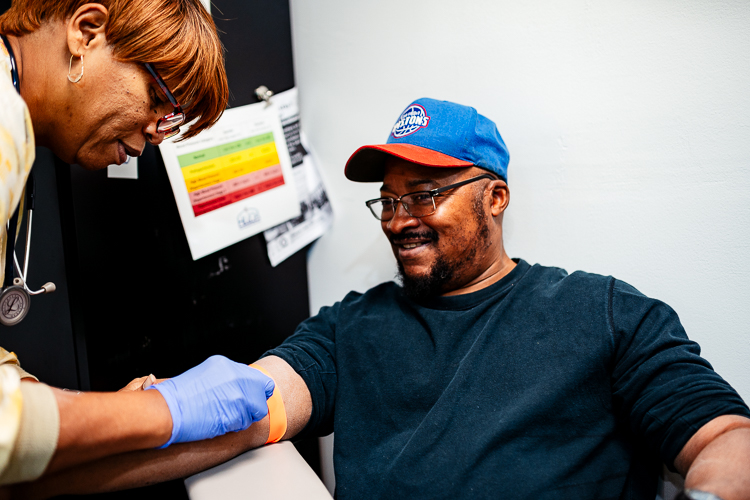
Marginalized Michigan residents are finding health services in easily accessible neighborhood locations, and formerly defunct buildings are becoming bright spots on their blocks.
Our Partners