Why Early Learning Spaces Matter: Rep. John Fitzgerald on ICE and School Safety
Rep. John Fitzgerald shares why early learning environments must remain safe spaces for all children.
As national conversations around immigration enforcement continue, educators and families in Michigan are raising concerns about how the presence — or even the perceived presence — of enforcement activity near schools may affect young children.
Early childhood experts consistently emphasize that safety and stability are essential for learning and healthy development. For some families, however, fear and uncertainty have begun to shape daily decisions about school attendance and classroom participation.
Representing the 83rd House District, John Fitzgerald, Democratic floor leader in the Michigan House of Representatives, spoke with Early Education Matters about what he is hearing from constituents, new legislation being introduced in Michigan, and why early learning environments must remain safe spaces for all children. This interview has been condensed for length and clarity.
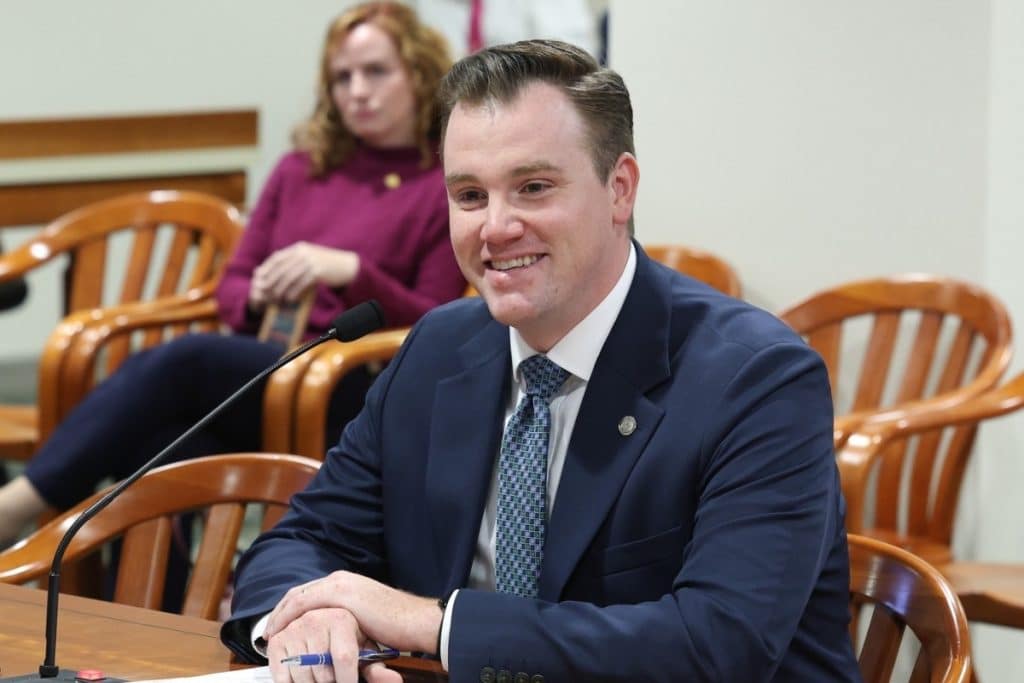
Q: From your perspective, how does the presence or threat of ICE activity near preschools and schools impact young children and their families?
A: You know, first and foremost, even the perception of immigration enforcement activity near schools can create fear and instability for families, students, and employees, as well. Young children are especially sensitive to stress and uncertainty.
When we see a community under stress and families under stress, that can enter the classroom and really interrupt good instruction, healthy learning, and also just healthy people. Schools and early learning centers work best when families and students feel confident and safe showing up every day, and that is exactly what we want here in the state of Michigan. It really has, I think, shaken a sense of security as it pertains to schools, and it affects everyone in the community.
Q: What concerns have you heard from educators, early childhood providers, or parents regarding immigration enforcement in school-adjacent spaces?
A: I think what encapsulates that is actually a story of an interaction I had with a student at the end of last year when I went to an elementary school. Normally, when I speak at schools, I get questions like, ‘How old are you?’ ‘How much money do you make?’ ‘How does a bill become a law?’ ‘Can you pass a law to make Friday pizza day every day?’
Instead, this time I got questions from one specific student who asked me, ‘Why do people hate immigrants?’ ‘Is ICE coming to Michigan?’ ‘Will the Constitution protect us, and are we safe?’
Remember, those were questions that I got from a student in an elementary school. I think that really demonstrates that people in that student’s life are talking about safety as it pertains to immigration enforcement … and our conversations with teachers reinforce that students are talking about this at a very early age. Again, I think really demonstrating that this can disrupt student learning, student health, and student safety as well.
Q: Can you share more about the legislation you and your colleagues are advancing to keep ICE out of schools, churches, and courthouses?
A: We do have legislation in both chambers that has been introduced. Really, the question is, in a split legislature is it possible for legislation that deals with this to advance and become successful? At the state level, we have a very narrow scope of responsibility and power to influence or change immigration policy. So recently, we did introduce some legislation that focuses on protecting constitutional rights and clarifying the limits of federal enforcement in Michigan.
One of the two bills (HB 5495) would limit state law immunities for federal officers who enter Michiganders’ homes without a judicial warrant. It would prohibit stops or detentions and arrests based solely on personal characteristics, such as skin color or English fluency.
Q: Why is it especially important to protect early learning environments as safe spaces for all children, regardless of immigration status?
A: Especially for early childhood students, these are formative ages critical in their development, both emotional and cognitive development. An experience like this might shape their feelings about civic engagement or safety, or quite frankly, just their overall success in the state of Michigan.
Students should not and cannot learn effectively when they feel unsafe or uncertain about their and their family’s security.
These students, as young as they are… feel that they may be putting their families at risk by attending school. That’s not healthy. That’s not respectful. That is not the sense of community we want to build.
Where people are afraid to go to their own school as young as five, six years old… they’re learning that lesson that it might be safer for them to be at home because they are most secure there, as opposed to learning alongside their peers.
Q: What message would you want immigrant families and early childhood educators in Michigan to hear right now?
A: I would like to make sure it gets out there that there are people, myself and others, who truly value our immigrant community, who value all children, families, educators, school professionals, and want to ensure that they do not learn, work or even live in fear of harassment for simply being who they are.
We want early learning environments to remain focused on growth, opportunity, and safety of children. Lastly, I want people to know that state leaders are listening. We are working. We are looking to creatively address these issues through legislation.
Q: Are there ways community members or local organizations can support or strengthen these protections at the state level?
A: Always sharing stories and experiences with leaders is important. We rely upon our community’s input and experience to inform our decision making and the policies that we bring forward.
Photos by Tommy Allen
Early Education Matters shares how Michigan parents, child care providers, and early childhood educators are working together to create more early education opportunities for all little Michiganders. It is made possible with funding from the W.K. Kellogg Foundation.
Author

Related Articles
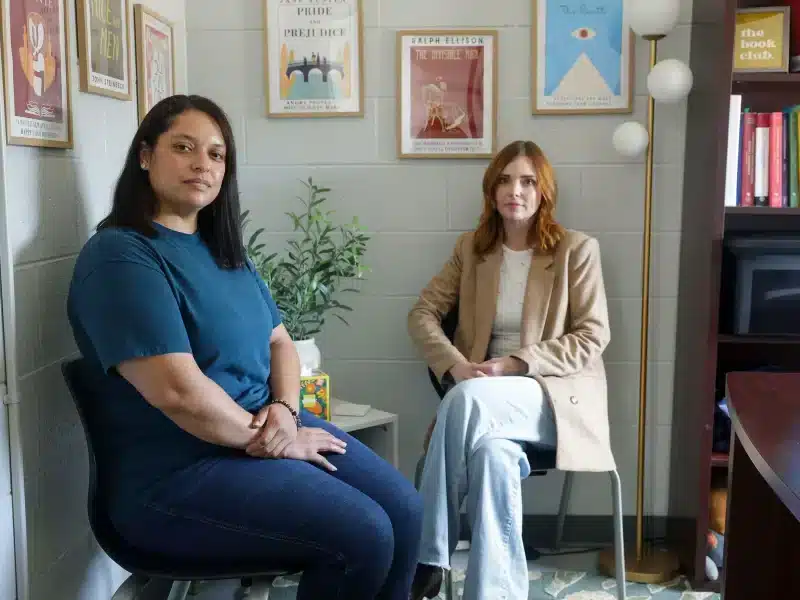
Evictions impact millions of kids. These schools get an alert when it happens to their students.
Evictions impact millions of kids. These schools get an alert when it happens to their students.
Is PreK for All meeting its goals?
Roadmap co-author encouraged by how the state is expanding its Great Start Readiness Program into universal pre-K.
Michigan’s free universal pre-K program could serve 70,000 4-year-olds this school year
Launched in 2023, PreK for All now has no income qualifications.