Healthy food festival brings good times and good habits to Broad Avenue
The first Healthy Memphis Food Festival will bring local health and wellness vendors to Broad Avenue in April.

The first annual Healthy Memphis Food Festival is coming to the Broad Avenue Arts District April 11 and 12. The brain child of Sharon Thompson, the event will transform the Water Tower Pavilion into a temporary market full of healthy food vendors and wellness businesses, plus local art and music offerings. Trainers and medical experts will be on hand to demonstrate fitness activities and offer free blood pressure and cholesterol tests.

Author

Related Articles
Michigan’s community mental health system: Overcoming stigma to provide needed care
Community mental health has played an important role in shifting the culture to asking for help.
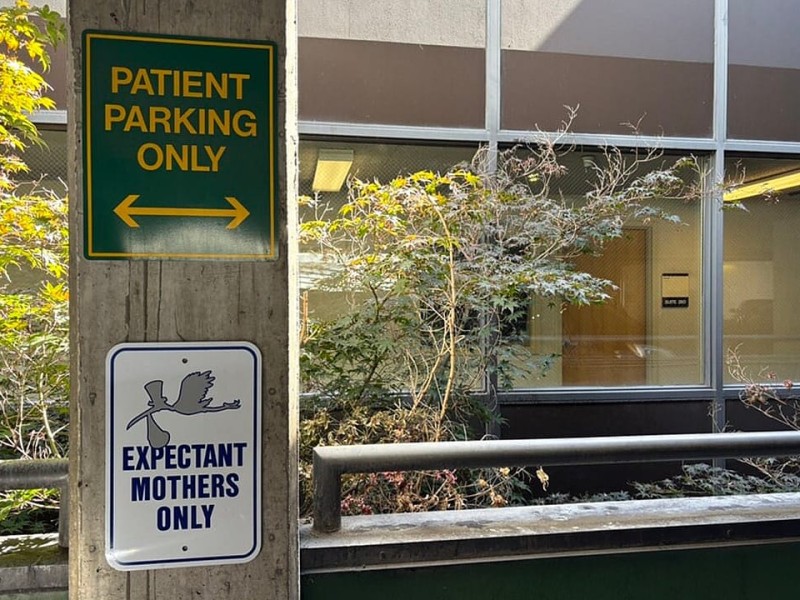
High-risk pregnancy doctors publish new standards for care under state abortion bans
A group of maternal-fetal medicine specialists has developed new guidelines to help providers in those states navigate legal risks for themselves and medical challenges for their high-risk patients, Stateline reports.
New arrivals in the ER? Georgia gears up to solve rural maternal health crisis
Most of Georgia’s counties are without a labor and delivery unit. To fill those gaps, the state is looking to equip emergency rooms to handle obstetric emergencies. Advocates and doctors worry, however, that the ER is being used as a stopgap.