Strategies for expanding CCBHCs in Northern Michigan
Three Certified Community Behavioral Health Centers serving rural counties share how other rural counties can gain this vital certification.
For someone living in Detroit, finding a therapist may be as simple as typing a search into Google and choosing from dozens of providers within a few miles.
For someone living in Michigan’s Thumb or the Upper Peninsula, that same search may return only one option — or none at all.
That disparity is at the heart of a growing conversation about Certified Community Behavioral Health Clinics (CCBHCs), a federally supported model designed to expand access to comprehensive mental health and substance use treatment. While the model has demonstrated success in improving access to care, behavioral health leaders say significant barriers continue to prevent many rural and northern Michigan community mental health agencies from becoming certified.
Those barriers aren’t about a lack of commitment, officials say. They’re about geography, workforce shortages, infrastructure, and funding models that often don’t reflect the realities of serving sparsely populated communities.
A comprehensive model with complex requirements
CCBHCs are required to provide a broad continuum of behavioral health services, including 24/7 crisis response, outpatient mental health and substance use treatment, care coordination, psychiatric rehabilitation, peer support, and primary care screening. The comprehensive nature of the model is also what makes certification challenging for many rural organizations.

“For rural community mental health organizations, one of the biggest challenges is capacity,” says Debra Johnson, CEO of St. Clair County Community Mental Health. “The CCBHC model is comprehensive by design, and that is one of its strengths, but meeting all of those requirements requires significant workforce, infrastructure, and administrative resources.”
Recruiting psychiatrists, licensed clinicians, nurses, substance use disorder professionals, and other specialized staff has long been difficult in rural Michigan. Adding new service requirements only increases those workforce demands.
Mark Witte, CEO of OnPoint in Allegan County, says staffing shortages represent just one piece of a much larger challenge.
“Distance, provider shortages, population density, stigma, and increasingly complex care needs all intersect in rural communities,” Witte says. “Organizations don’t apply to do work when they know they can’t be successful.”

Geography changes everything
Unlike urban counties where services are more concentrated, rural providers often cover hundreds of square miles with relatively small populations.
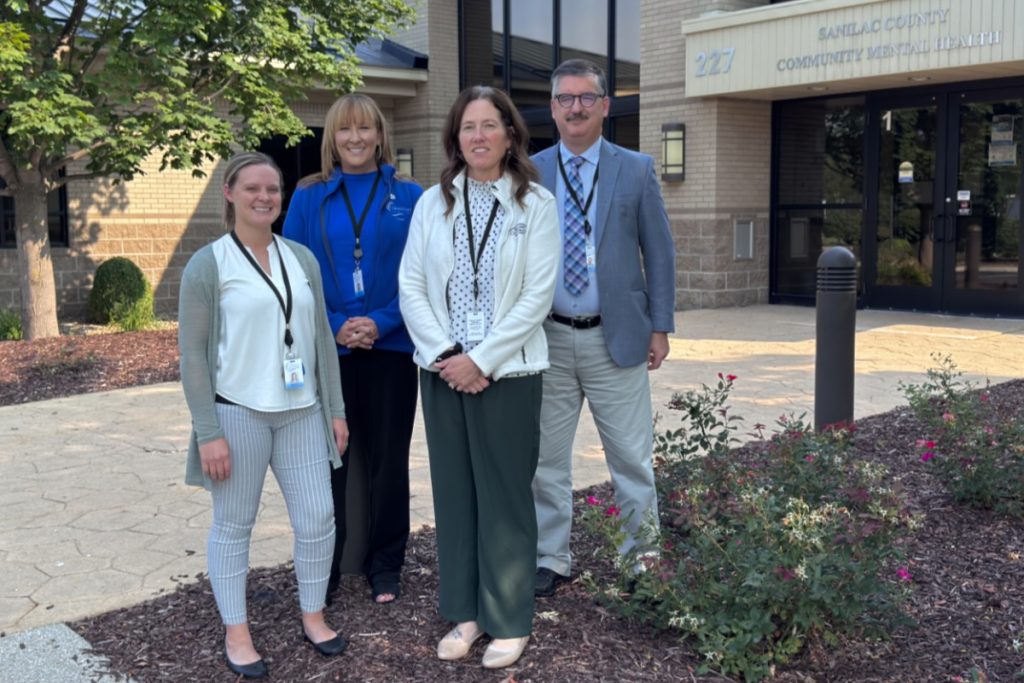
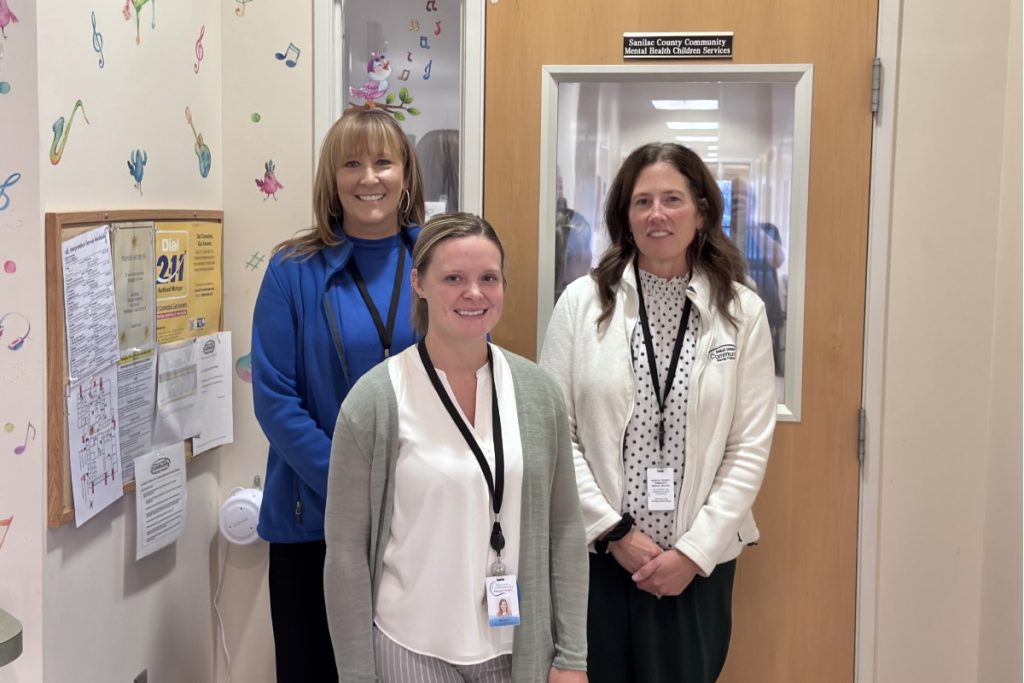
Wil Morris, CEO of Sanilac County Community Mental Health, says the economics of delivering behavioral health services look dramatically different outside metropolitan areas.
“If someone in Sanilac County needs to see a psychiatrist and they have private insurance, they may have to drive to Port Huron or Saginaw,” Morris says. “That’s around a 100-mile round trip. Between gas, time off work, and the cost of care itself, many people simply wait until their symptoms become severe because accessing treatment is so difficult.”
Transportation challenges affect providers as well. Providing 24-hour mobile crisis response in Wayne County, where millions of residents live in close proximity, is fundamentally different than providing the same service across large rural counties with fewer than 40,000 residents.
“We could go 24 hours without a crisis,” Morris says. “Providing the exact same model that’s used in Wayne County simply isn’t fiscally responsible for a community our size. Rural communities have to be able to right-size services while still meeting the core goals.”
Building flexibility without lowering standards
The goal, providers say, is not to make certification easier, but to make it more workable for rural communities without compromising the quality of care. Johnson points to expanded use of regional partnerships, telehealth, shared staffing arrangements, and collaborating organizations that allow smaller providers to meet service requirements without duplicating costly infrastructure. She also recommends streamlining administrative requirements and providing implementation support before certification, including technical assistance, workforce development resources, and start-up funding.
Morris offers a practical example. When Sanilac County first pursued certification, the organization struggled to hire both recovery coaches and youth peer specialists required under the model. Rather than abandoning certification, Sanilac partnered with a neighboring recovery organization to share staffing resources.
“If there were two CMHs in the Upper Peninsula that both wanted to become CCBHCs, maybe one provides one specialty service and the other provides another, and they share those staff through telehealth,” Morris says. “They don’t both have to incur the expense independently.”

Witte agrees that flexibility should extend beyond service delivery. He recommends technical assistance during implementation, temporary flexibility around certain certification expectations while organizations build capacity, stronger workforce incentives, and a more collaborative relationship between state leaders and community providers.
“There could be more partnership,” he says.
Earlier intervention for better outcomes
Despite the challenges, behavioral health leaders agree that expanding CCBHCs could significantly improve mental health access across Northern Michigan.
Since becoming a CCBHC, Sanilac County Community Mental Health has nearly doubled the number of community members receiving services, Morris says.
Many of those individuals receive relatively short-term treatment, but that’s exactly the point.
“Early intervention is the key for every healthcare issue,” Morris says. “Behavioral health isn’t any different.” By helping people receive care when symptoms first emerge, organizations may prevent more serious conditions from developing later.
Johnson says the model creates a much simpler entry point into behavioral health care.
“People should not have to understand the behavioral health system before they can receive help,” she says. “CCBHCs are designed to provide comprehensive services regardless of a person’s insurance status, ability to pay, age, or where they live, allowing individuals to receive coordinated care before reaching a crisis.”
Witte adds that earlier access can reduce emergency department visits while improving long-term outcomes.
“Crisis response can avert tragedy, and early interventions can help people avoid more intensive and expensive care down the line,” he says.
What state leaders can do
The experts largely agree on where Michigan should focus next. Johnson recommends targeted start-up funding, workforce recruitment resources, technical assistance, and certification pathways that recognize regional differences while maintaining high standards.
Morris says smaller organizations need funding before certification even begins.
“They need startup funds,” he says.
Sanilac’s federal planning and implementation grant allowed the organization to build the staffing and infrastructure necessary for certification. Morris also encourages the state to create more stable reimbursement methods that protect smaller organizations from dramatic annual funding swings.
Witte believes stronger collaboration between state leadership and providers is equally important.
“We need to build bridges between the field and the central office,” he says. “It’s not enough to issue policy directives without conversation about how they’ll work for the people we serve.”
For behavioral health leaders working in Michigan’s rural communities, expanding CCBHCs isn’t simply about increasing the number of certified organizations. It’s about ensuring that where someone lives doesn’t determine whether they can access timely, comprehensive behavioral health care.
As Morris puts it, rural communities often have the least access to providers, making expanded CCBHCs potentially even more transformative than in urban areas.
“If everybody across Northern Michigan could get care when they need it,” he says, “you’re actually going to reduce the severity of mental health conditions because people can get help before they reach a crisis.”
Photos by Leslie Cieplechowicz.
The MI Mental Health series highlights the opportunities that Michigan’s children, teens and adults of all ages have to find the mental health help they need, when and where they need it. It is made possible with funding from the Community Mental Health Association of Michigan, Center for Health and Research Transformation, Lifeways, OnPoint, Sanilac County CMH, Summit Pointe, Michigan Health and Hospital Association, Washtenaw CMH, and Public Safety Preservation Millage.
Author

Related Articles
A town 14 miles from Dallas has no clean drinking water. She’s trying to fill the gap.
The people of Sand Branch have lived without a functioning water infrastructure for decades. Christina Parks is trying to preserve what’s left of her community.

More than miles: How run clubs are building community
Run clubs are gaining momentum. By prioritizing social connection over competition, these groups are building community one mile at a time.

COVID kids and mental health: How are pandemic littles doing today?
Mental health challenges have surfaced but kids also benefited from increased family time and less hectic schedules.