COVID kids and mental health: How are pandemic littles doing today?
Mental health challenges have surfaced but kids also benefited from increased family time and less hectic schedules.

For Carla Pretto, executive director of the Association for Children’s Mental Health, the effects of the pandemic on young children have not been all doom and gloom. While these children experienced a disruption in their educations and social lives, many also experienced closer bonds with family and a break from hectic schedules. That said, mental health concerns for these kids remain, especially for adolescents in racial and ethnic minorities.
“This is always a message of hope,” Pretto says. “When we think about the outcomes from a pandemic, I never want to leave people with some fearful message that everything is all negative. Our next steps can be hopeful, and we can move forward.”
MI Mental Health spoke with Pretto about how those kids — who are now middle- and high-schoolers — are doing when it comes to mental health.

Q. In 2020, COVID took children out of preschool, daycare, and elementary school. These kids are now in elementary, middle, and high school. How are they doing when it comes to mental health?
A. We have a varied response. There definitely is an increase in mental health challenges that we have seen surface. We see anxiety, depression, and feelings of isolation more so than we saw previously. But what has surfaced in the data, is that people were reporting that having that ability to have a breather from the stressors of that go-go-go resulted in some positive outcomes. You can’t, across the board, say it was negative.
But certainly anxiety increased for a lot of people. The pause in social interaction, especially for that younger age in those more formative years, then having to go back. They didn’t have the ability to start working through difficult situations and forming relationships. They had a pause that coincided with the use of cell phones and the increase of technology that also puts distance in our socialization. Those things already were on the rise even before COVID but COVID certainly exacerbated a lot of that.
Some young people have reported that having that break from the pressures of having to perform and be on such a tight schedule all the time gave them some breathing room and took some of the stressors off of them. Not everyone had that advantage, a home life where they experience a lack of stressors in this very quiet, calm setting. There were also students who were in situations that were less than ideal, often traumatic.
Also reported in the data, some people reported that they had more family time together. Some people reported that it gave them more time to do some self-reflection and self-care. Those are positives that we could continue to build on.
Q. Middle and high school can be a difficult time for kids. What kinds of mental health issues are most common at this age?
A. In middle and high school, we see a lot of anxiety, depression, and feelings of isolation. Often the anxiety and depression are the most common.
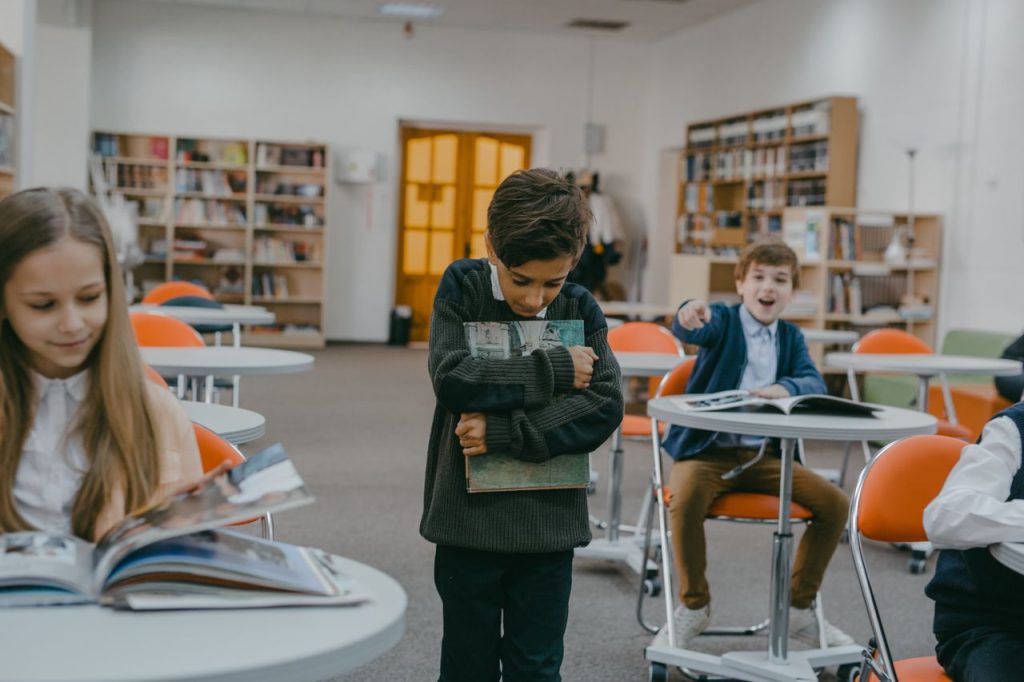
Q. How has living through the pandemic exacerbated these issues for some middle and high schoolers?
A. If you can imagine being younger and not having all life experiences, and your beginning of life is this pandemic, the whole world is on lockdown — and it’s completely out of your control. That’s a very scary life experience to have when you have very few other experiences to balance that. Then, they came out of a pandemic, and we think about our news cycle. We hear a lot about AI taking over jobs, and, once again, that’s out of their control. That causes a lot of anxiety for even most adults. If you can imagine for a young person, if that’s all of your experience, it feels like your world is not even within your control. It requires a very deep level of awareness from the rest of us in how we help to support this young generation because they really haven’t seen any other experiences to tell them that the world can be a supportive place. We have to show them that.
Q. When it comes to our tweens and teens’ mental health, what signs should parents and teachers be aware of?
A. Certainly, shifts in moods. It is within the normal range for tweens and teenagers to have ups and downs in their moods. But when you see a bit more anger or prolonged periods of lots of anger or sadness, more oversleeping more than usual, a lack of attention to their personal hygiene more than normal — these can be indicators.
If they’re expressing that they’re feeling overwhelming sadness, that’s something that you really need to pay attention to and listen. It can be very difficult for a caregiver who no or very little experience with managing anxiety and depression, especially if we don’t come from families that have been supportive of that in our history. It can be very easy to write that off. “It’s not a big deal, just deal with it’ or y’It’s going to get better. It can’t be that bad. Don’t worry about it.’ We can write those things off pretty readily.
But for a young person, if that is their experience, that could be the worst that they were ever feeling. We have to allow for them to to have that feeling, and manage that, care for that, and be respectful that they’re hurting at that level. It doesn’t mean that we have to agree with it, but we have to understand that it’s bringing them tremendous hurt. How do we help support that? Oftentimes, what they really want is to feel like they’re valid for feeling hurt. They want to feel like they can come and talk to somebody and not feel judged.
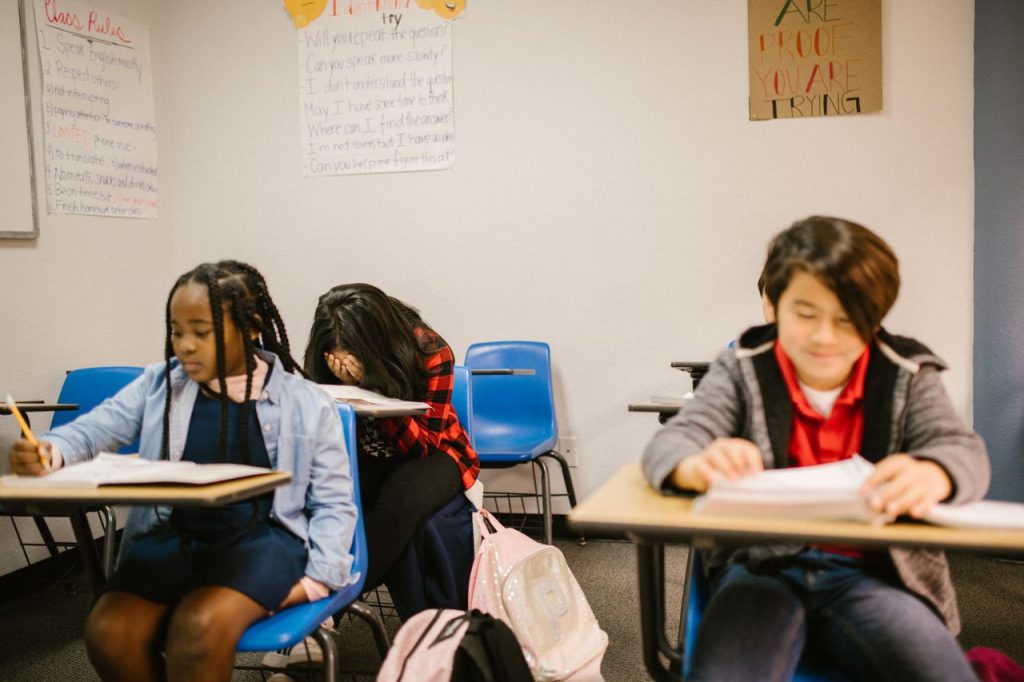
Q. If a parent or teacher has real concerns about a child’s mental health, what should they do?
A. Teachers — we are raising considerable awareness. There are lots of different trainings and programs out there for schools to bring into their systems to provide training for teachers on how to respond if they sense that a student is struggling. A number of resources that are available out there. People are always able to contact us, the Association for Children’s Health [Crisis Navigator Guide]. There also are available resources out there like With One Voice and the Blue Envelope Program.
Teachers need to respond in the moment by taking concerns seriously. If they feel that a student is hurting or in danger, they need to take that student aside and listen. If there’s something more that’s needed, they need to connect them to somebody that’s able to help. Number one is to not feel responsible to to fix the situation. If you’re not a mental health professional, it’s not yours to carry that. But it’s all of our responsibility collectively to be there for somebody, to help get them to the supports that they may need.
For parents, number one is take a deep breath and stay calm. Don’t panic. Parents get paralyzed with fear. No parent wants to feel like something terrible might happen to their child. But there’s also no immediate fix. If you feel like something is going on with your child, if they’re telling you that they feel suicidal, then you need to pause. You need to talk more with them. You need to ask, “What is it that we can do together? How do I help support? What do we need to do? Is it going to therapy? How do I help?” It can’t be that you take your child and put them in therapy. It has to be a family effort because nobody lives in isolation. Take a deep breath and reach out for support. There are next steps to take, but it’s not a quick fix.
The experiences our organization hears about anecdotally through our peer interactions, advisory committees, and event attendees, and what I’ve experienced in my personal life, all suggest that the pandemic had an impact on youth mental health more pronounced than had it not occurred. And do we have the potential to heal and recover from that? Absolutely!
Carla Pretto photo courtesy subject.
Other photos RDNE, Norma Mortenson, and Mikhail Nylon via Pexels.com.
The MI Mental Health series highlights the opportunities that Michigan’s children, teens and adults of all ages have to find the mental health help they need, when and where they need it. It is made possible with funding from the Community Mental Health Association of Michigan, Center for Health and Research Transformation, Lifeways, OnPoint, Sanilac County CMH, Summit Pointe, Michigan Health and Hospital Association, Washtenaw CMH, and Public Safety Preservation Millage.
Author

Related Articles

They grew up breathing Detroit air. Generations of women are pushing for new approaches to pollution.
Some are organizing and training to advocate for their neighbors; some are trying to change the laws to consider the cumulative burden of pollution.

Rx Kids expansion to 60 Michigan communities is balancing family budgets and birthing healthier babies
The Michigan program is the largest unconditional cash transfer program for expectant parents in the country.
Mental Health millage means help for more people — and a healthier community
In Washtenaw County, adults served by community mental health increased 147%, and youths served 104%.