How the State of Michigan and Michigan Works! plan to assist Medicaid families affected by new work requirements
Michigan budgeted $168.6 million in grants to state agencies and organizations to help residents navigate Medicaid changes.
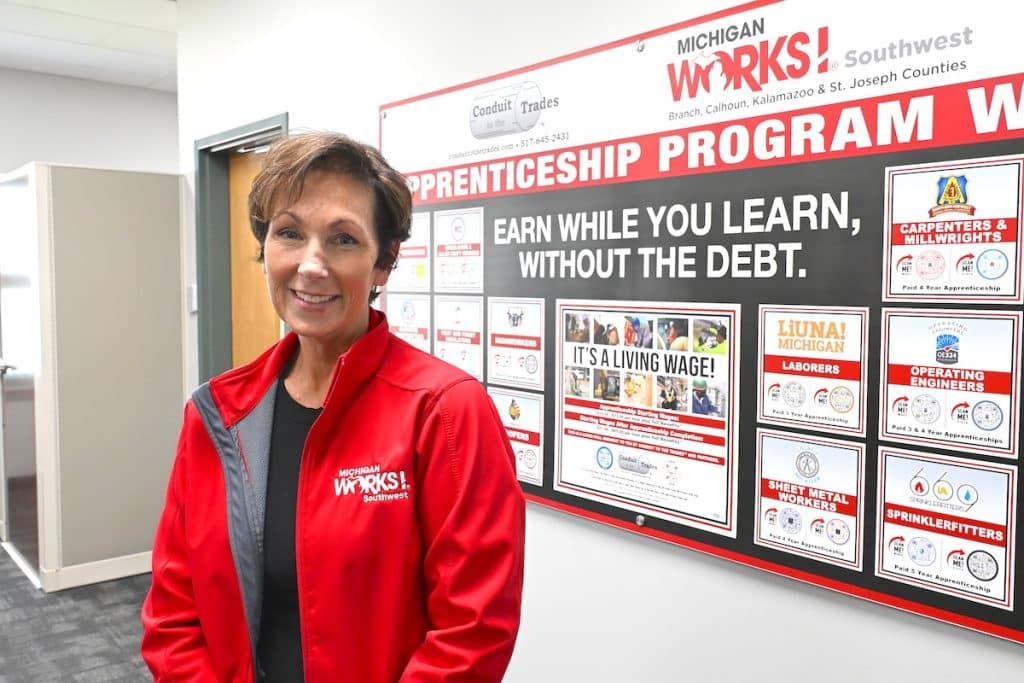
With the New Year comes new changes to thousands of individuals and families on the Healthy Michigan Plan. Beginning on Jan. 1, 2027, adults applying for or receiving Medicaid through the Healthy Michigan Plan will need to work or complete other approved activities to keep healthcare coverage. State and local organizations are working hard to make sure Michiganders are informed of these impactful changes. Here’s how the Michigan Department of Health and Human Services (MDHHS) as well as Michigan Works! are providing solutions.
Meghan Groen, MDHHS chief deputy director for health services, oversees the state Medicaid program and its 2.6 million beneficiaries. Her staff is especially focused on making sure folks are aware of coming changes by sending mailers, hosting webinars and working closely with community partners. Their offices aim to data-match work hours and wages from the many pieces of information they already have to save paperwork for beneficiaries.
The good news is that while 2.6 million are on Medicaid, nearly 1 million of those are kids — and will not be impacted by these new work requirements. The Medicaid expansion population impacted is adults ages 19 to 64 on the Healthy Michigan Plan. Starting Jan. 1., they must document 80 hours from work or approved activities or earn $580 of income in one month during the six-month review period.
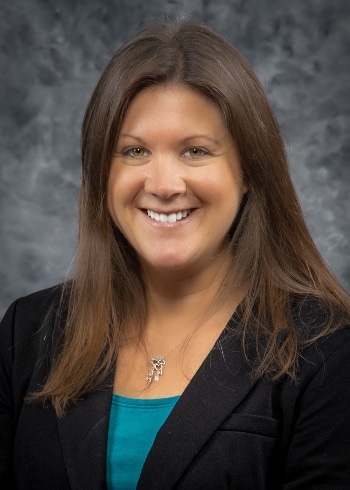
“Since Medicaid is an income-eligible program, a lot of the information people already provide to prove their income for the program will be able to be used to look at the work requirement,” Groen says. “That 80 hours can include employment, unpaid or in-kind work, self-employment, seasonal work, a work program, and can also cover an individual who’s enrolled at least half-time in a college or vocational program. It can also include some unpaid work that is in a voluntary program. One thing that’s really important for people to note is that it can be a combination of those factors.”
People who went through the SNAP application successfully and qualified would have already met the requirements that are new for Medicaid. The traditional Medicaid population of individuals with disabilities and children will still have annual renewals. Groen anticipates the changes to still “feel like a lot for people.”
“Once you go through that process and get your Medicaid renewed, you will hear from us in about three months to start that process again,” she says. “We need to make sure we have enough time to collect data and documentation. So for some individuals, this is going to be a pretty big change for how much documentation and how many hoops they have to go through to continue on this program.”
She encourages people to not get discouraged or assume their families would not be able to get coverage moving forward.
“What I would hate to see is people not filling out that packet, not realizing that their kids could still be covered,” she says. “This could result in additional coverage loss for individuals who shouldn’t have been impacted by this change but because of how confusing it is, will inadvertently fall off. My plea to folks is to get that paperwork in and work with us to see what we can do to make sure you maintain that critical healthcare coverage for you and your family.”
Lynn Sutfin is the public information officer at Michigan Department of Health and Human Services (MDHHS).
“Every Michigan resident deserves access to quality, affordable healthcare, and the Michigan Department of Health and Human Services is committed to helping ensure eligible beneficiaries are able to keep their coverage,” Sutfin says. “We’re anticipating 200,000 people will lose Medicaid coverage in Michigan over the next few years once work requirements, more frequent redeterminations, and eligibility changes are fully implemented by H.R. 1.”
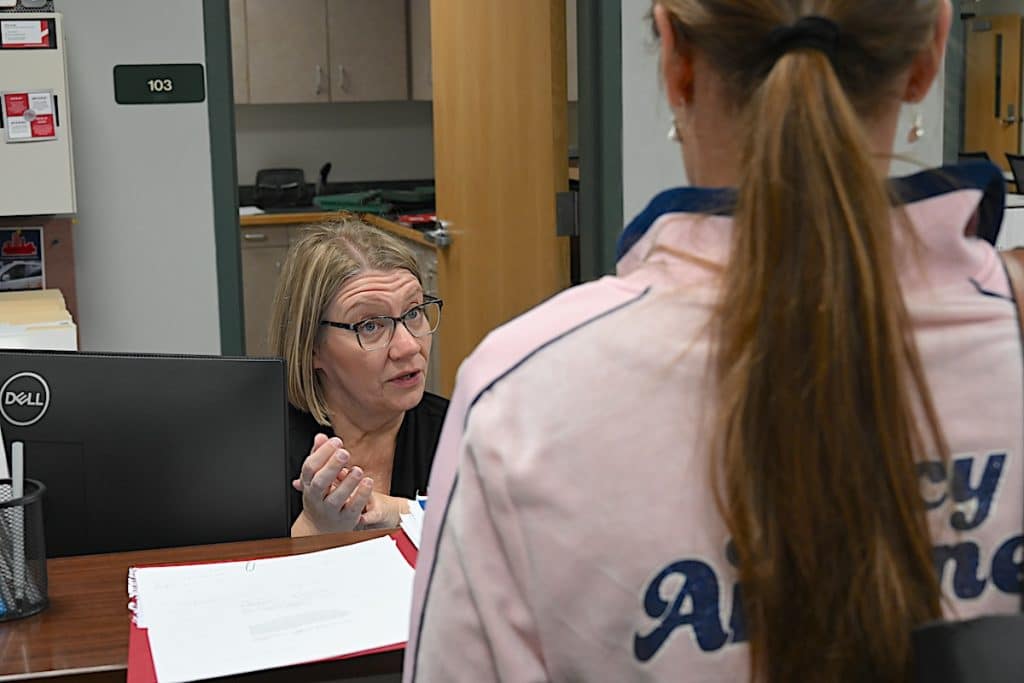
Toolkit guides members through process
In order to address that issue, MDHHS has created a toolkit with resources to help community partners provide education and assistance to Healthy Michigan Plan members. In order to help guide beneficiaries through the requirements to maintain healthcare coverage, MDHHS has also launched a Michigan Work and Exemptions Screening Tool.
“In addition, grant funds have been offered to nonprofit organizations to establish the community navigator network to help Michigan residents keep Medicaid and SNAP benefits,” Sutfin says. “This was part of an investment in the state’s FY 2027 budget that includes $168.6 million to prepare the state to meet new federal requirements that make it harder to access food and healthcare and continues to fund initiatives to protect access to healthcare and ensure the sustainability of Medicaid. This includes the hiring of 400 additional local office staff to strengthen our capacity to support beneficiaries and minimize the risk of individuals losing their coverage due to having to renew their coverage every six months instead of annually.”
Jakki Bungart-Bibb is the Michigan Works! Southwest director at the Upjohn Institute. In her role, she oversees the public workforce system across four counties: Branch, Calhoun, Kalamazoo and St. Joseph counties.
“My job is to ensure that we’re providing services to our customers, which would be job-seekers and employers. The goal is to make meaningful matches and to get job-seekers connected to quality jobs,” she says.
Many of the job-seekers that the non-partisan Michigan Works! supports are Medicaid recipients, says Bungart-Bibb.
“Historically, Medicaid eligibility was not connected to employment,” she says. “That is a new change.”
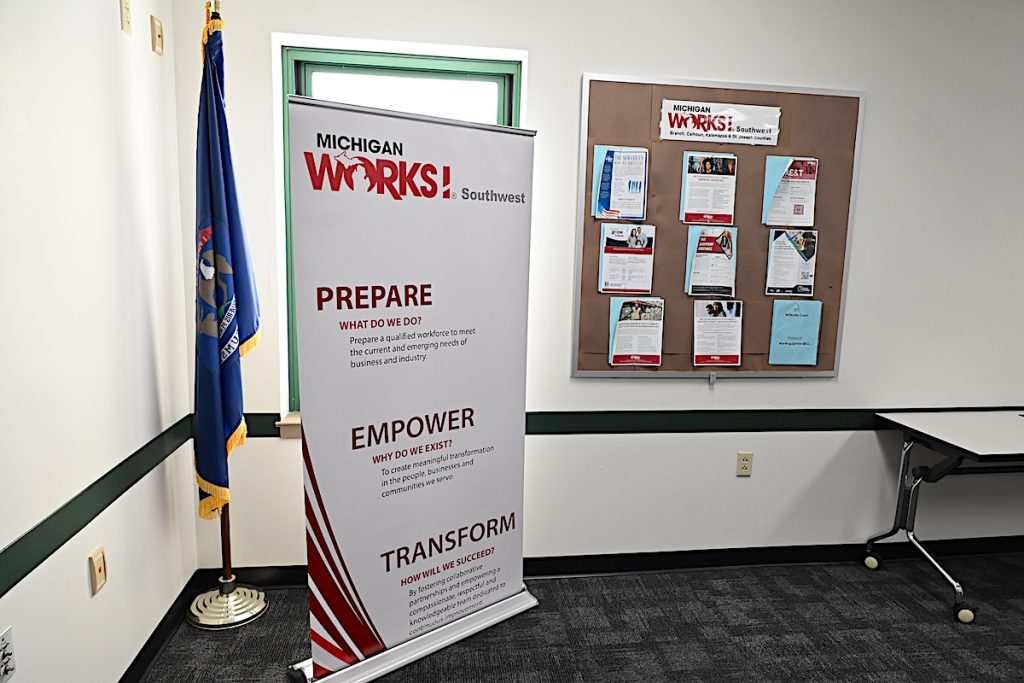
More support from Michigan Works!
Michigan Works! has plenty of experience working with people to make sure they have records of their current work and volunteer hours as required to receive SNAP benefits. The process will be very similar for Medicaid recipients moving forward.
“Michigan Works! receives referrals for people required to meet those requirements,” Bungart-Bibb says. “When they come to us, our goal is to ensure that they get the support they need to meet those requirements, whether it be through education, a job, or community service.”
Bungart-Bibb anticipates more folks will be coming into their local Michigan Works! offices for help with the new rule changes once they go into place. For now, they’re focusing on educating the community.
“Right now, we believe that access to accurate information is the most important thing,” she says. “People need to understand what is changing, when the requirements take effect, whether they apply to them, and what steps they need to take. Our goal right now is gathering community partners, leaders, and organizations to make sure they have all the information available to them to relay to their communities. We’re doing that in a few different ways: Information on our website, community convenings, and community coalitions.”
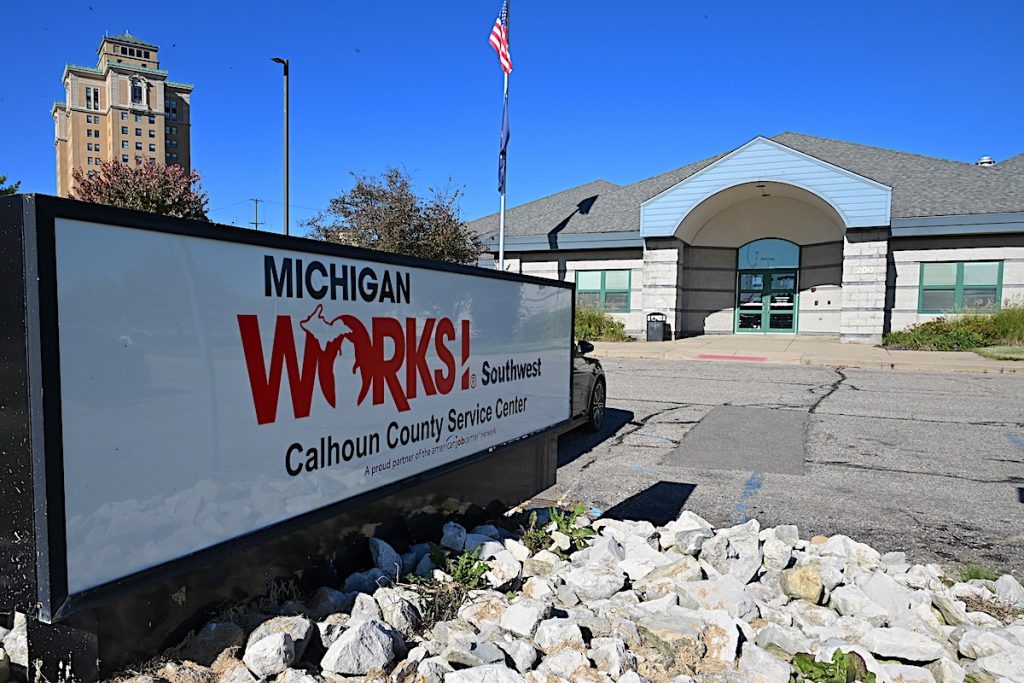
Once the requirements take effect next year, Bungart-Bibb says Michigan Works! will play a couple different roles.
“Our centers are open to the public, and anyone can come in and ask for help. We will have navigators available who know how to operate the state’s MiBridges system and who know what steps they need to take. We will receive direct referrals, meet with them, assess the situation, and help to find allowable activities to meet those requirements.”
There have been attempts at incorporating work requirement policies into different state’s Medicaid healthcare coverage plans before, but they have not been successful.
“A lot of eligible people can lose eligibility based on a paperwork issue or just missing a step, and that’s what we’re trying to avoid from happening,” Bungart-Bibb says. “We think employment and health are interconnected. Healthy individuals contribute to healthy families, stronger communities, and a stronger workforce. We do prioritize ensuring that we can help them navigate what could become an administratively burdensome process.”
Having staff available for Michiganders to speak with in-person at offices across the state can also help ease frustrations and clear up questions quicker than navigating websites or automated phone systems.
“Having that navigation system in-person is so important for some people, especially for some of our most vulnerable populations who may not find technology challenging,” Bungart-Bibb says.
Bungart-Bibb encourages folks worried about the changes to log into their MiBridges accounts, and update their address and contact information to ensure they receive the MDHHS information being sent out.
“Michigan Works! is a non-partisan organization to help people get jobs,” Bungart-Bibb says. “We’re not responsible for eligibility or enforcement, but we do provide services that can connect them with community resources. We just want to be a part of the solution.”
Photos by John Grap.
Photo of Meghan Groen courtesy subject.
MI Families shares the work of community organizations, healthcare providers, educators, employers, and other Michiganders as they work to create better health, educational access, and economic security for all Michigan families. It is made possible with funding from the W.K. Kellogg Foundation.
Author

Related Articles
How community mental health supports grandparents raising grandchildren
Caring for a grandchild adds another level of difficulty in navigating aging — physically, mentally, and financially.
Beyond the shortage: How the Caregiver Incentive Project is building a better caregiving industry
The Caregiver Incentive Project povides free training, financial incentives, and support network for caregivers. The nonprofit aims to establish formal job standards, and deliver vital relief to underserved rural families.