GuardCare partnership brings free healthcare to Ohio Appalachian residents
GuardCare provided free health services to nearly 500 Ohio residents, highlighting both collaborative solutions and persistent gaps in dental care.
This story is part of a series on the challenges and solutions related to oral health in Michigan, Indiana, and Ohio. It is made possible with funding support from the Delta Dental Foundation.
ATHENS, Ohio — Jack Pepper remembers growing up in Athens County and knowing kids who depended on school for their only hot meal of the day.
His own family had a home and food on the table, but money could be tight. They went to the doctor when they needed to, but dental care was different.
“Dental care was kind of a luxury,” says Pepper, who has worked at the Athens City-County Health Department for nearly 23 years and now leads the department.
“I’m an Appalachian kid,” Pepper says. “I was born and raised in the community that I work in.”
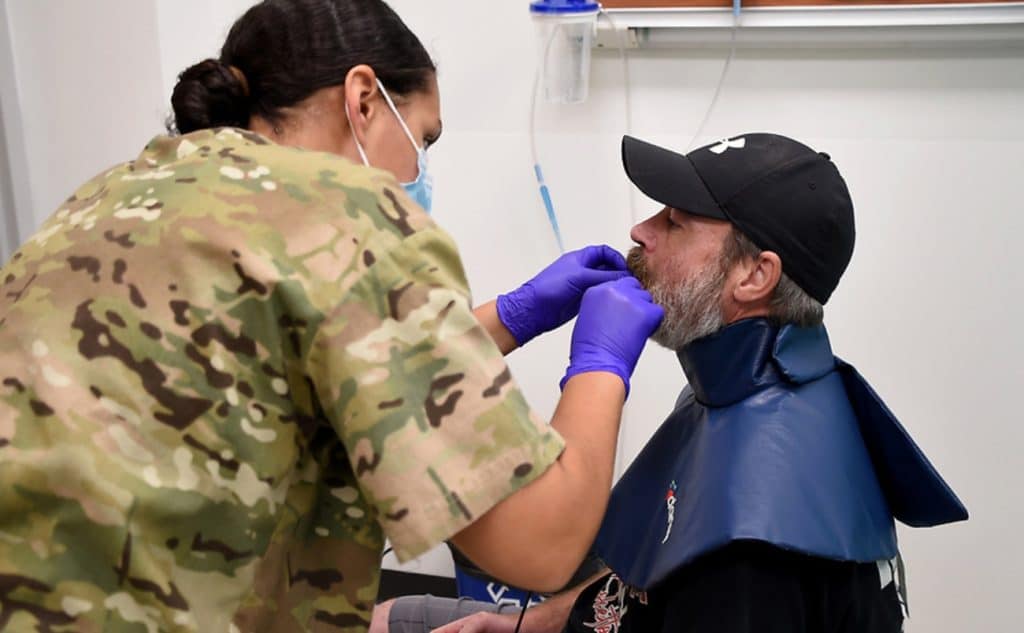
This summer, Pepper helped bring free healthcare to hundreds of people in the community where he grew up.
GuardCare, held July 31-Aug. 2 at Ohio University’s Heritage College of Osteopathic Medicine, brought together the Ohio National Guard, Ohio Department of Health, Athens City-County Health Department, Ohio University and other partners to provide dental, vision and medical services at no cost.
The event served 491 patients and provided about 3,100 services valued at $235,000, according to Danny Counts, director of academic facilities for the Heritage College of Osteopathic Medicine.
“Most of them probably would not have care otherwise,” Counts says.
Years of preparation
The GuardCare program has been operating in Ohio for more than 20 years. It gives Ohio National Guard medical personnel an opportunity to train while providing free health services in communities around the state. The Ohio Department of Health helps identify communities to host the events, and local health departments apply to participate.
Athens County was set to host GuardCare, but the COVID-19 pandemic forced cancellation of the event. When another chance came, Pepper and his team spent more than two years planning.
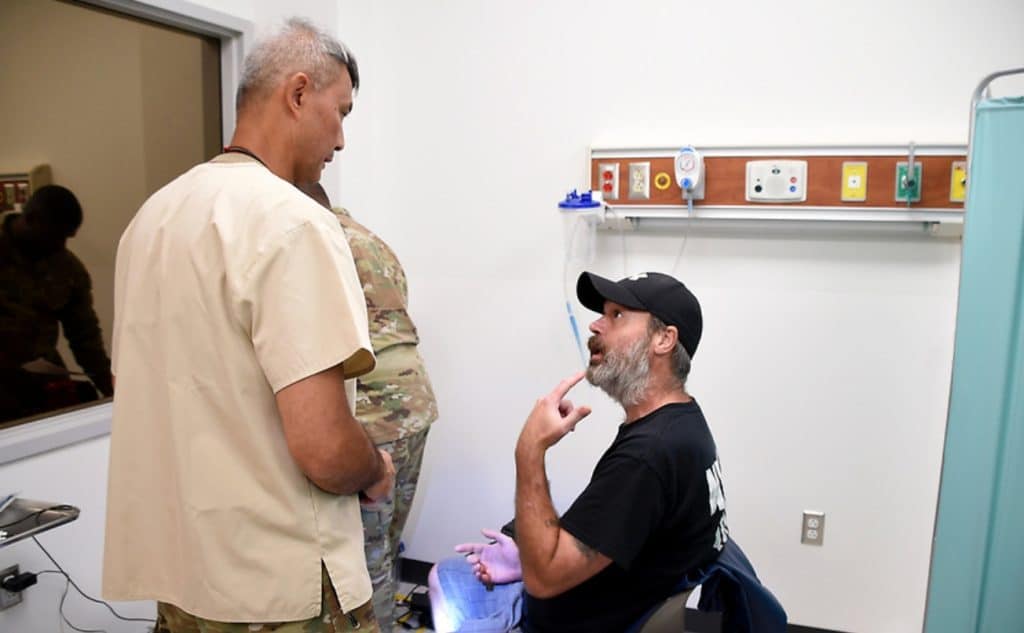
“It is worth it, but it is a lot of work, and it’s years in the making,” Pepper says.
The effort addresses a challenge Pepper sees every day.
“Access to care is a real big problem here in Southeast Ohio,” he says.
Counts says, “Even if you have access to some kind of health insurance or healthcare, it doesn’t mean you have dental or vision.”
Addressing gap in dental care
That need became especially clear when dental services opened. About 148 people received dental care during GuardCare, Counts says. Available dental slots for the two days filled in 26 minutes. Organizers estimate another 100 to 150 people seeking dental treatment couldn’t receive care.
About 5% of the people who received dental services had never been to a dentist, Counts says. Patients ranged from children to seniors.
Pepper understands why dental care can be easy to put off. Growing up, Pepper’s family went to the dentist, but not always twice a year for checkups. Even now, he says dental insurance does not cover as much as health insurance.
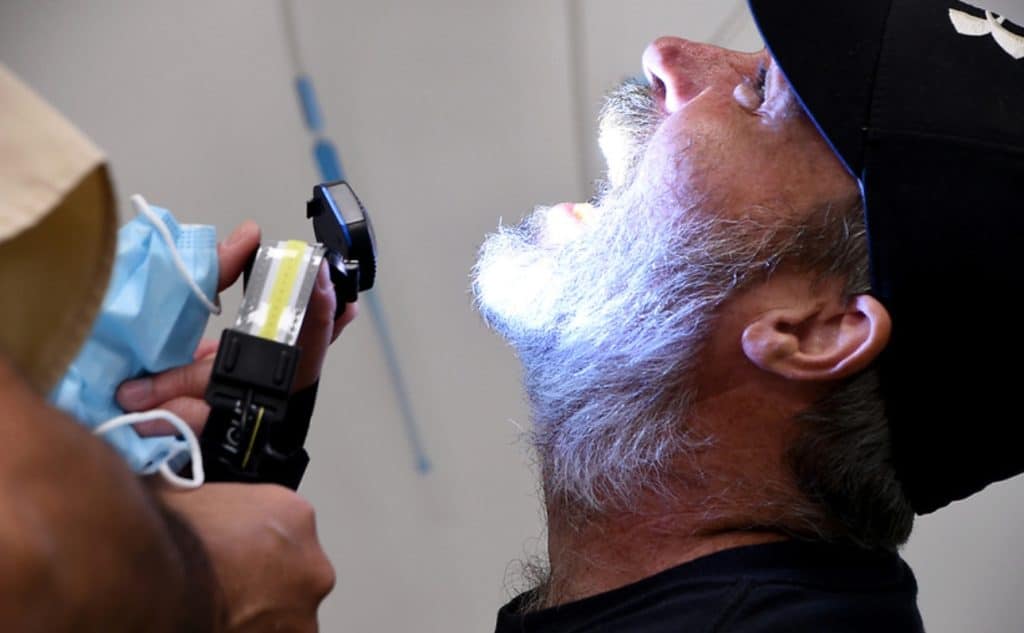
Skipping regular care can lead to bigger health problems. Pepper says events like GuardCare help people get care they may have put off because of cost or limited access.
“Free care or free services will attract some folks that maybe have not been in a traditional clinical setting in some time,” he says.
University partnership
Making GuardCare happen required more than medical providers.
Ohio University provided the space along with parking, police presence, custodial services and help setting up and coordinating the event.
Counts describes some of the university’s contributions as “a lot of the intangible things – extension cords and zip ties and whatever was needed to make the event happen.”
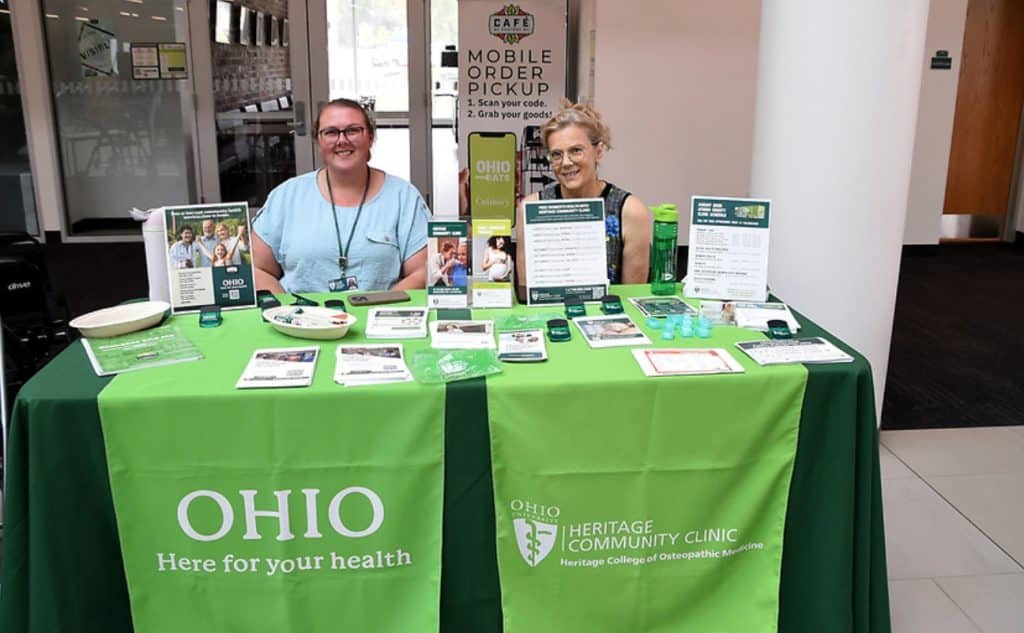
The partnership was a natural fit for the Heritage College of Osteopathic Medicine, he says.
“Part of our mission is to train doctors who will provide healthcare to Appalachian and underserved communities, and so this event was directly in line with what our mission is,” Counts says.
Counts also has a personal connection to Appalachia. He grew up in Kentucky and says he understands the challenges families in the region face.
“Coming from Appalachia, I understand the healthcare needs that exist here,” he says.
He has traveled through 47 states, but says the hardship he sees around Athens stands out.
“If you go 15 minutes in any direction from where this event was held, you will see things that you don’t see in very many other places,” Counts says. “There are things here that I haven’t seen anywhere else in terms of struggle.”
Despite that need, GuardCare had limited resources.
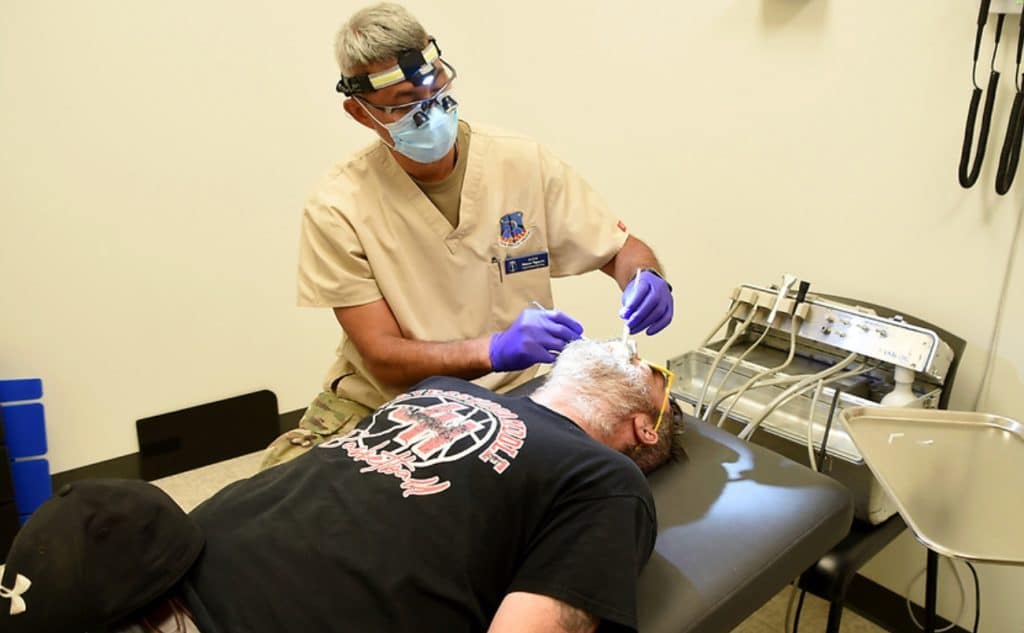
Counts says just 22 providers served the event. At one point, he and Pepper were hoping they could reach 500 patients. A person involved with the software used to track the event questioned whether that was possible with the number of providers available.
“Five hundred is an astronomical number for the setup that you have,” Counts recalls being told.
They came within nine patients of that mark.
“We broke several records,” Counts says.
But serving 491 people still did not meet all the need. Dental appointments alone filled so quickly that many people couldn’t get the care they needed.
Rooted in community
Pepper didn’t set out to spend his career in public health.
He studied cartography, or mapmaking, in college. After graduating, he wanted to stay close to home, and his parents encouraged him to consider government work because of its stability and benefits.
A friend working at the health department encouraged him to apply for an opening. Pepper got the job and moved into leadership about five years later. After 15 years with the department, he became its administrator.
“It’s turned into my dream job,” he says.
His reason for staying comes back to the people he grew up with.
“There were a fair number of kids that I knew that the only square hot meal they got was at school,” Pepper says. “That’s a real thing. I’m not embellishing. I’m not sensationalizing.”
Thinking ahead
Pepper and Counts are looking at what comes next, including finding another organization to partner with.
“The need is apparent. The need is validated, and we have the support,” Counts says. “So now it’s just figuring out what that support looks like and how we can best administer it.”
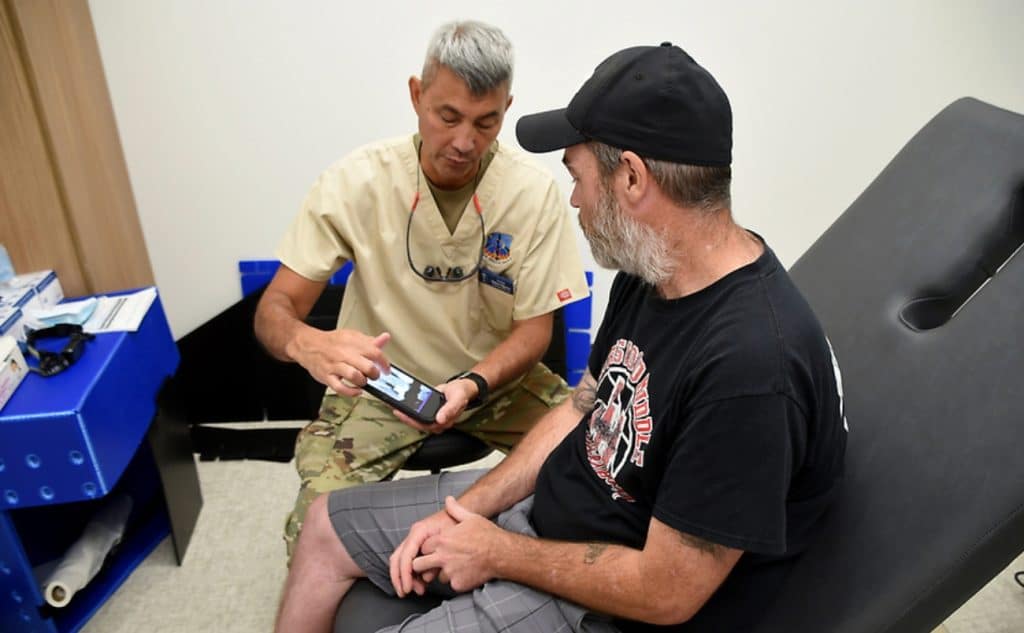
Counts says the response to GuardCare has already reached university leadership, and conversations are underway about how to continue addressing the need.
Pepper sees that work as part of the job he grew to love.
“The mission of public health is to prevent death and disease,” he says. And in a community where he has seen what happens when people go without, GuardCare offered one way to put that mission into action.
“What better way to demonstrate to our community that we’re invested in them,” Pepper says, “than by putting in the work to put on a clinic like this?”
Photos courtesy of the Ohio University’s Heritage College of Osteopathic Medicine
Related Articles
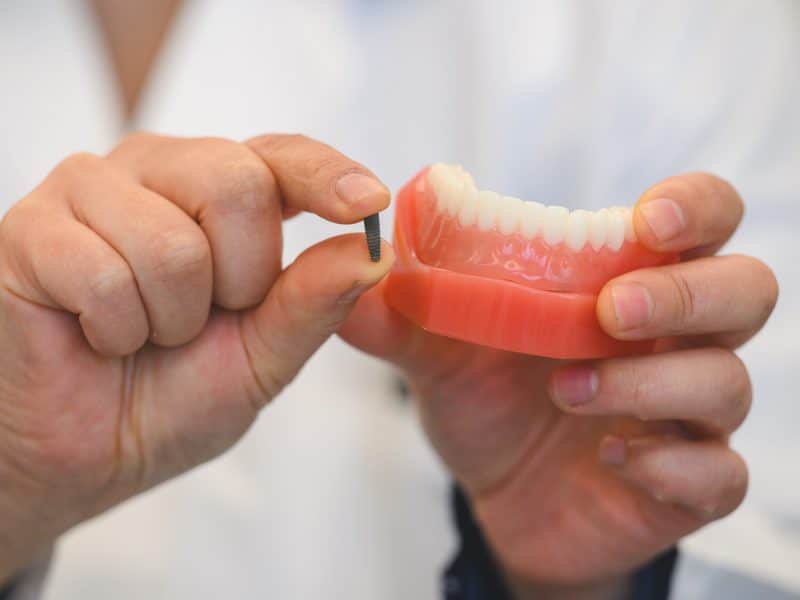
University of Michigan program offers expensive denture treatment for free
The University of Michigan’s Senior Implant Overdenture Restorative (SenIOR) program offers implant overdentures for free and is aiming to improve insurance coverage for the treatment.

COVID kids and mental health: How are pandemic littles doing today?
Mental health challenges have surfaced but kids also benefited from increased family time and less hectic schedules.

Rx Kids expansion to 60 Michigan communities is balancing family budgets and birthing healthier babies
The Michigan program is the largest unconditional cash transfer program for expectant parents in the country.