Mental health crisis care without an ER wait
Mental health urgent cares and crisis stabilization units provide immediate access to mental health services.
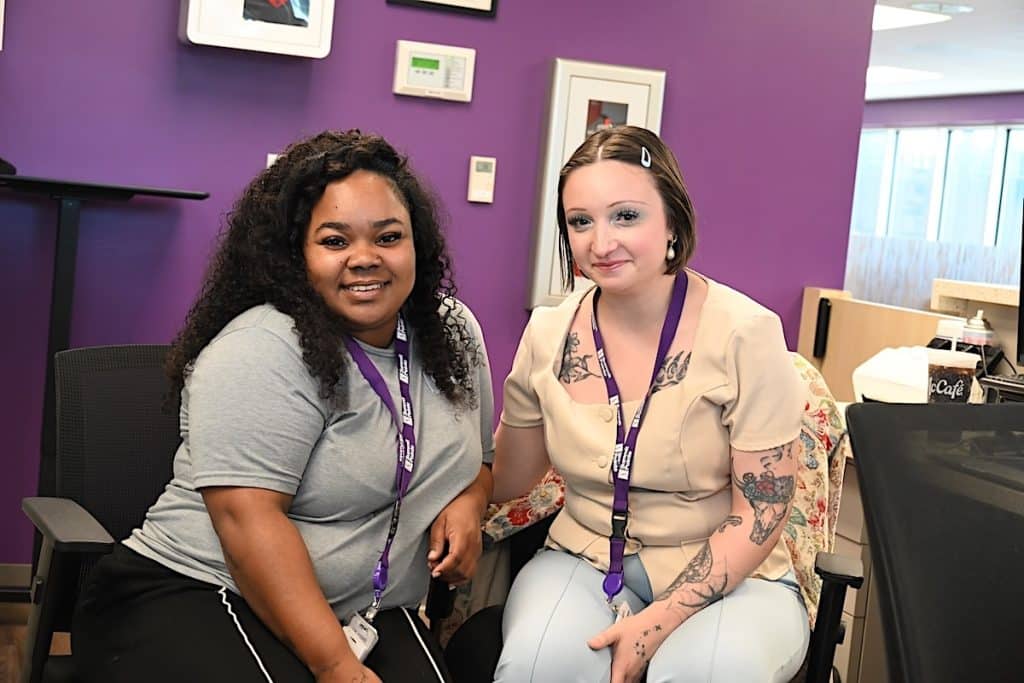
For some Michiganders seeking mental health assistance, the road to accessing care can be long, winding, and, sometimes, with service gaps along the route. Recognizing this, experts across the state are finding ways to make things easier.
Traditionally, the pathway for accessing psychiatric hospitals involves going through emergency departments and community mental health (CMH) agency approval processes first. After a patient is identified as being in crisis — whether they voluntarily admitted themselves or called 911 were brought in by law enforcement or ambulance — they would most likely end up in a hospital emergency department and wait for CMH assessment before admission to inpatient care.
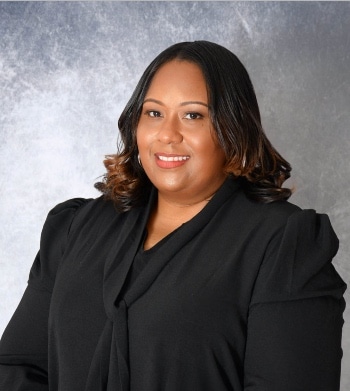
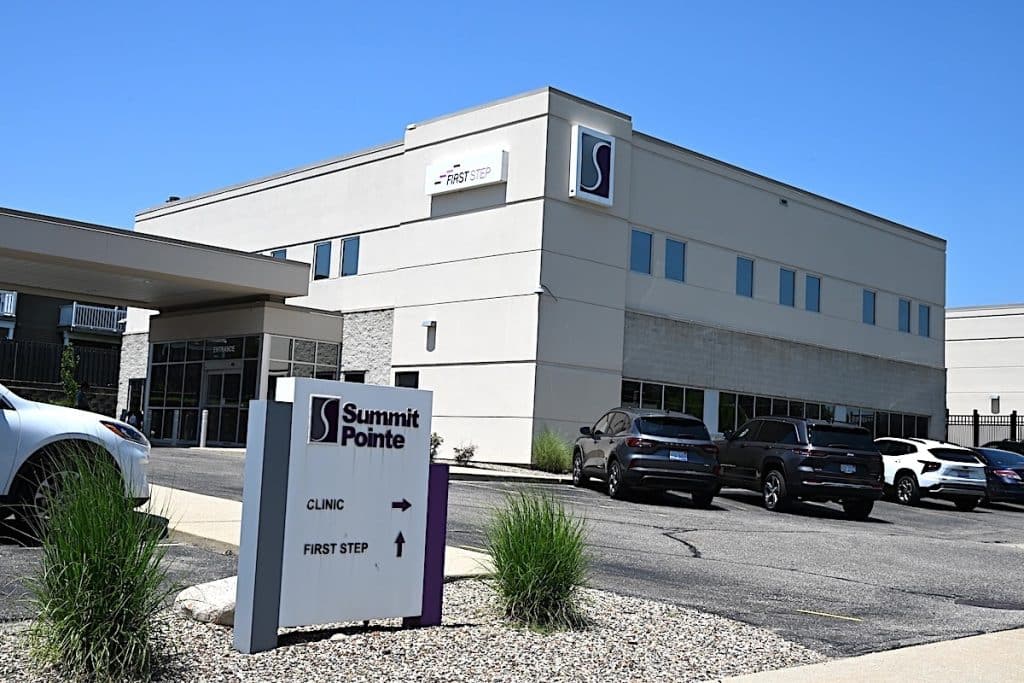
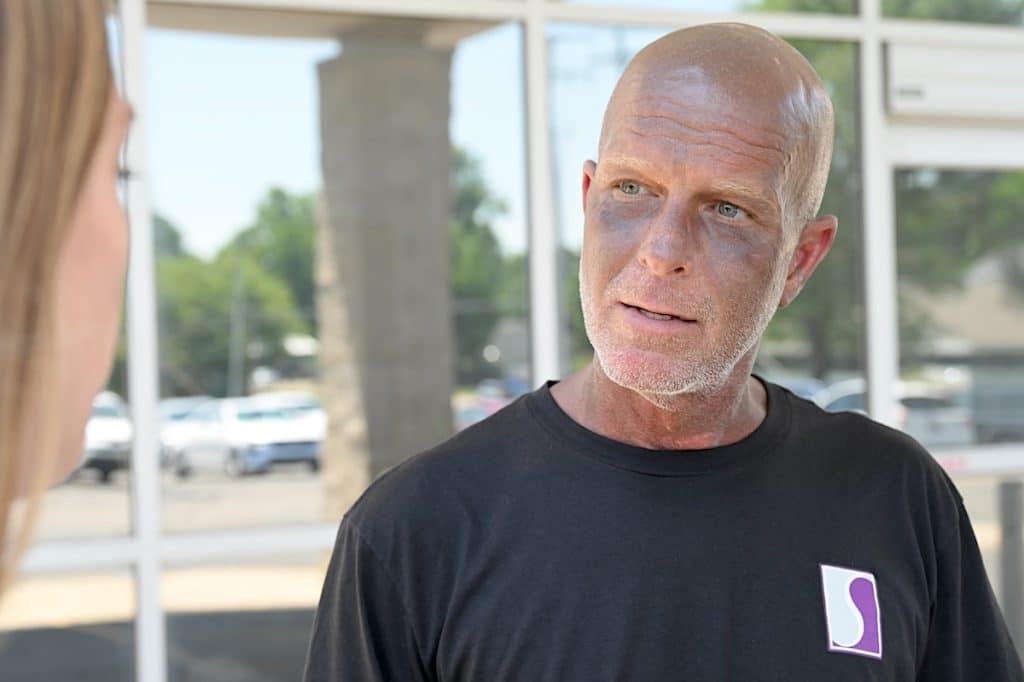
In Battle Creek, Summit Pointe’s First Step Psychiatric Urgent Care Center provides immediate access to mental health services. James Owens, Sumit Pointe’s director of access and crisis services, and Lakeyta Patterson, director of clinical quality, are proud of the 24/7 urgent care model launched in 2020.
“The 24-hour urgent care model was developed to meet the customers in our community’s needs,” Patterson says. “One of the initiatives was around reducing the frequency of emergency room visits as well as addressing our justice system, recidivism, and having a location where people could walk in seven days a week, 24 hours a day.”
First Step’s customers range from those with mild diagnoses such as depression and anxiety to more acute psychosis as well as individuals with substance use disorders and court-ordered admission. First Step works closely with the probate court as the triage location that determines if a person requires treatment due to a mental health crisis.
Patterson underscores First Step is about “recognizing that crisis is not Monday through Friday, eight to five.” Prior to First Step, people received help from day and night crisis teams. Clinicians in the office went into the community to address any crisis. They also had to handle pre-admission screenings for the Medicaid population needing an inpatient level of care. Calls came in from community partners, family, friends, law enforcement, or people self-initiating care.
Patterson explains that when people had a crisis at night, Summit Pointe assessed if a they needed inpatient care, and then make a plan from there. Some were diverted from inpatient hospitalization and told about the benefit of Summit Pointe’s services. After scheduling with an intake clinician to come back for a full biopsychosocial screening, they were again scheduled with someone else for treatment planning, then finally scheduled services. First Step provides complete biopsychosocial screenings 24/7 and gets them into the course of treatment they need.
“It was a lot of layers to get someone engaged in services,” Patterson says. “And, we didn’t often get people started from the crisis realm initially, so First Step allows us to be able to do that a little bit sooner.”
Patterson also points to the benefits for people who are not in immediate crisis.
“There are people who work second shift who don’t get off until midnight,” she says. “They’re like, ‘This is the only time I could come in to start services. Otherwise, I would have continued to put it off.'”
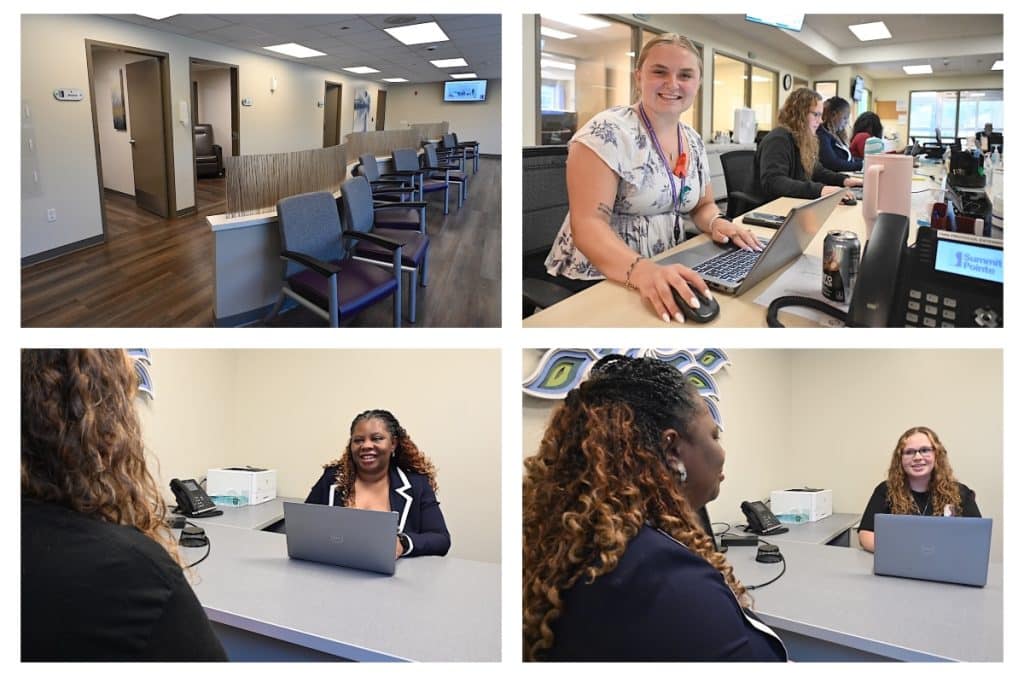
A model for other communities to follow
Since July 13, 2025, First Step has served nearly 6,200 customers — about 18 people every day. Owens highlights research on the higher costs and lower efficiencies of emergency department utilization for mental health treatment and inpatient hospitalization.
“It’s something like 600% more expensive and can take many hours longer,” he says. “First Step allows an individual who previously would have went to the ER, spent 10 hours there, and been charged in excess of over $1,000 to be here for a few hours, and then we coordinate with their insurance or Medicaid, which is more cost-effective.”
First Step is not able to reduce 100% of emergency department mental health traffic because some circumstances warrant it. To that end, First Step offers community partners, particularly law enforcement, crisis intervention training.
“We help build their knowledge, understanding, and comfort with recognizing the different mental health or behavioral health challenges that they might encounter — what is appropriate to bring to First Step and what might be more appropriate to take directly to the ER,” Owens says.
Crisis care for adults and children
Founded in 1910 in Grand Rapids, Pine Rest Christian Mental Health Services is the second largest provider of behavior health services in the country. Pine Rest Psychiatric Urgent Care opened in 2018 for adults. In March 2026, the Pine Rest Pediatric Center of Behavioral Health opened. As Michigan’s first pediatric psychiatric urgent care, it addresses the months-long wait times Michigan children needing inpatient care often face.
“If someone’s having a [mental] health crisis, we don’t want them to just go to the emergency department,” says Kyle Hoffmaster, Pine Rest director of patient access. “That’s not a good use of our community resources in that situation.”
Hoffmaster contends that bypassing emergency departments saves time and resources for both patients and their community.
“They can be admitted to a psychiatric hospital when not needing emergency medical services from an emergency department,” he says. “It’s quicker from Point A to Point B, where they really need to be.”
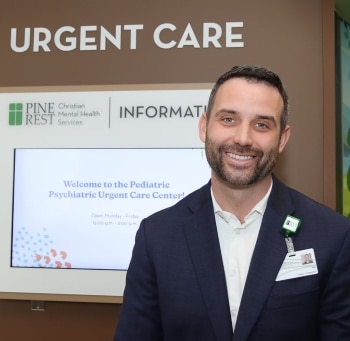
Hoffmaster is enthusiastic about Michigan’s relatively new crisis stabilization units (CSUs). In 2024, the Michigan Department of Health and Human Services partnered with community mental health to launch 13 CSUs in Clinton, Eaton, Genesee, Ingham, Kalamazoo, Kent, Macomb, Oakland and Wayne counties.
CSUs offer care that is very similar to inpatient services but with a 72-hour cap. The reality is that not everyone needs to be in a hospital for a week. Some people only need a couple of days for medication adjustment and stabilization. Then, they are safe for discharge to a lower level of care. Pine Rest is working to open a CSU in Kalamazoo County next April.
“Currently, if a patient calls 911 and the ambulance picks them up, or law enforcement, they have to be transported to the emergency department. Law enforcement and EMS are not allowed to bring them to a psych hospital,” Hoffmaster says. “CSUs are a designated drop-off site, so instead of going to the emergency department, law enforcement and EMS can take the patient directly to the CSU.”
Looking forward, Hoffmaster would like psychiatric hospitals to find better ways to communicate with emergency departments and CMHs to “eliminate confusion and redundancy.”
“I understand that on some level there’s competition. But, at the end of the day, as a community we should see a failure if a patient who needs inpatient psych gets stuck in an emergency department,” Hoffmaster says. “I’ve learned that it is essential that psychiatric hospitals and community mental health see themselves as being on the same team, caring for patients, and meeting community needs.”
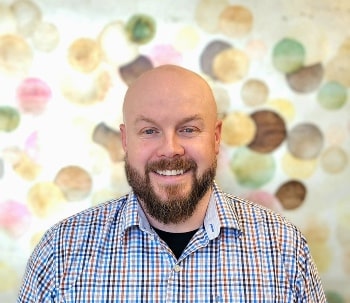
At Summit Pointe, Owens is helping to develop a mobile crisis team that coordinates with First Step, expanding the reach into “a hub that allows for connection to other services.”
“The ability and the agility to meet complex issues and in-crisis struggles that are unpredictable is a selling point for facilities like First Step,” Owens says. “You can shape care to the needs of the people you’re trying to support. It allows you to coordinate with the ED, with inpatient hospitalization, and all these different community partners. It really creates this center point that’s flexible.”
Photos by John Grap.
Photos of James Owens and Lakeyta Patterson courtesy Summit Pointe.
Photo of Kyle Hoffmaster by Tommy Allen.
The MI Mental Health series highlights the opportunities that Michigan’s children, teens and adults of all ages have to find the mental health help they need, when and where they need it. It is made possible with funding from the Community Mental Health Association of Michigan, Center for Health and Research Transformation, Lifeways, OnPoint, Sanilac County CMH, Summit Pointe, Michigan Health and Hospital Association, Washtenaw CMH, and Public Safety Preservation Millage.
Related Articles
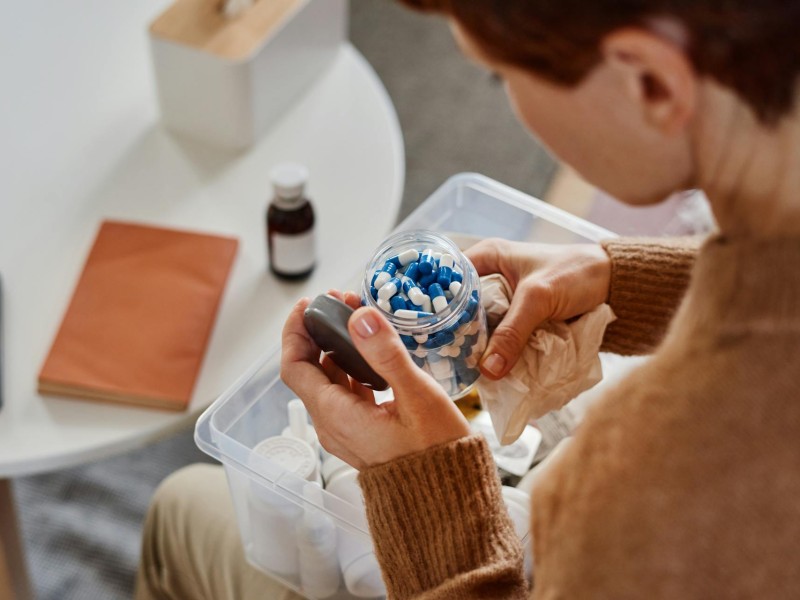
At-home drug disposal products can play an important role in keeping rural Coloradans safe
Disposing of unused prescription and over-the-counter drugs is important to protect children and teens from accidental or unintentional exposure.
Unsung heroes: LifeWays’ executive leads from behind the scenes
Unsung heroes staffing Michigan’s community mental health agencies make a real difference for Michiganders.
Partner Partner Content Through comprehensive care, this clinic is reducing the risk of recurring childhood maltreatment
The Better Future Clinic provides follow-up medical care for children who may have been abused or neglected. The goal is to provide timely and ongoing care, foster connections to vital resources, and build brighter futures for children, parents, and the community.