Survivors of suicide: Many of those mourned are veterans
Nov. 21 is Survivors of Suicide Loss Day. Help and support is available for Michiganders living with this unique grief.
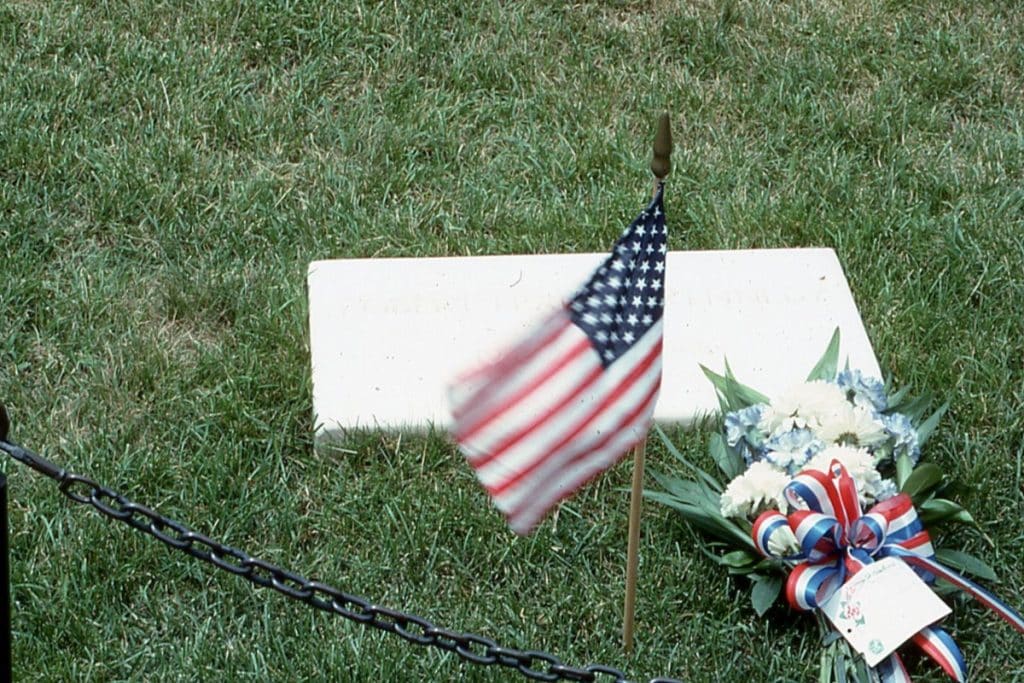
Suicide is the 11th leading cause of death in Michigan. With the holidays right around the corner, this time of year doesn’t only bring joy and togetherness but also sadness and loneliness, especially for people who have lost friends and loved ones to suicide. To combat these negative emotions, on Saturday, November 21st, thousands of suicide loss survivors from across the world will join events for International Survivors of Suicide Loss Day where they can be among others who share their experiences.
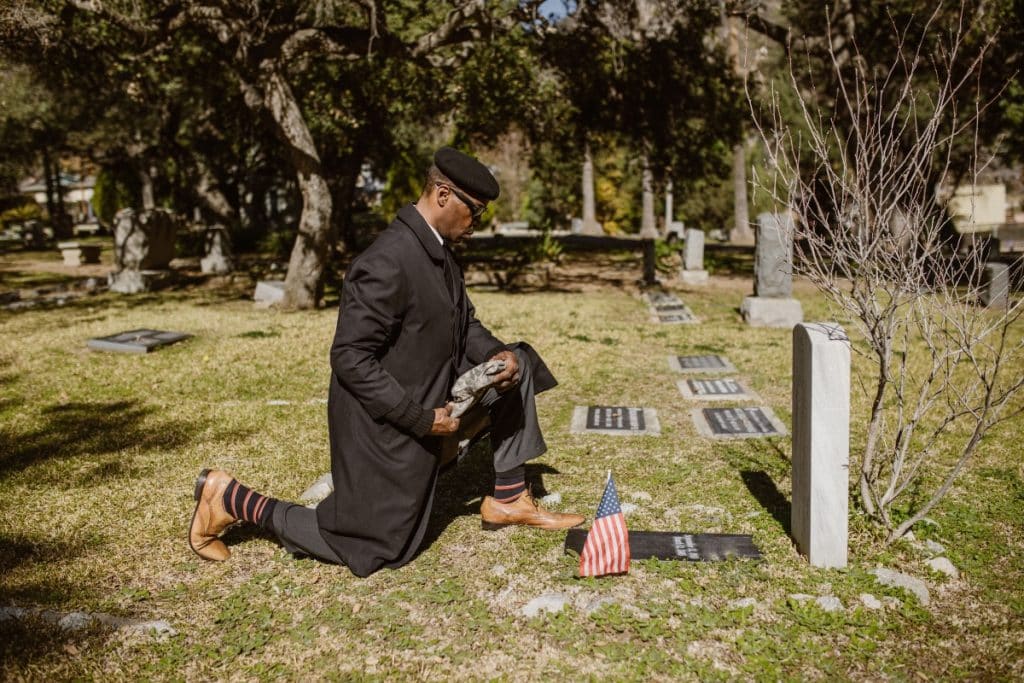
For many, the loved one lost to suicide was a veteran. According to the National Veteran Suicide Prevention Annual Report, 6,488 veterans died by suicide in 2024.
“The field of suicide prevention continues to move in a direction that emphasizes suicide prevention as being everyone’s business, and that we all have a role to play at the VA. This continues to be our top clinical priority here,” says Matthew Raad, community engagement and partnership coordinator for the U.S. Department of Veterans Affairs (VA) Ann Arbor Healthcare System.
The impact of suicide on survivors and support
When someone loses their life to suicide, it impacts not only immediate family but also friends, coworkers, neighbors, and anybody personally connected to them.
“A lot of research today shows that about 135 individuals are impacted by one suicide, so it really does make postvention that much more important,” says Raad.
Suicide-loss survivors are at a greater risk for many severe mental health problems such as anxiety, depression, suicidal ideation, and post-traumatic stress disorder (PTSD). In most cases, bereavement leads to complicated and prolonged grief, which in turn causes survivors to shut down, halt the mourning process, and make the healing process even more difficult. In some cases, the bereavement of suicide can lead to physical complications and cause survivors to experience nausea, chest pain, and insomnia.
“Grief with suicide loss can be a lot more complicated than other losses. Survivors often face intense grief and trauma,” says Raad. “These things are compounded by guilt, questions of why, and stigma. There’s generally some higher risks for depression, for PTSD, and — for some people — prolonged grief that can even impact their daily life.”
The VA Ann Arbor Healthcare System has a postvention team that offers support for suicide-loss survivors. Postvention is an organized intervention and support strategy implemented in the aftermath of a suicide death to reduce the risk of other suicides.
“This is something that’s continuing to grow throughout Michigan,” says Raad. “Not every community has a postvention team, but a lot of them are coming. It’s good to see that those postvention strategies are working and in effect.
Another resource for survivors of suicide loss is the Tragedy Assistance Program for Survivors (TAPS). TAPS is a national nonprofit organization that provides care and resources to all those grieving a death in the military or veteran community at no cost since 1994. They offer a variety of resources such as a survivor care team, a peer mentor program, a live online chat every second and third Mondays, casework regarding military survivor benefits and finances, and grief counseling.
In Washtenaw County where the VA Ann Arbor is located, Washtenaw County Community Mental Health (WCCMH) also offers support including a mobile crisis team, 24/7 assessments that include suicide risk assessments for those in crisis, 24/7 access to its observation and assessment center, crisis residential services, and crisis planning, stabilization, and support services for individuals and families.
Mental health supports and resources for Veterans
Among the 6,488 veterans who died by suicide in 2024, 62% of them weren’t receiving VA healthcare in the year they died or the year prior. While suicide rates for VA enrollees fell 2.2% from 2001 to 2024, rates for unenrolled veterans increased by 70.8%.
“There was a recent legislation passed called The Compact Act, so eligible veterans that are not connected to VA healthcare that are in an acute suicidal crisis can receive emergent care at a VA or non-VA ER, and that includes treatment, 30 days of inpatient or crisis residential treatment, and up to 90 days of outpatient care, and that’s all paid for by the VA,” says Raad.
The Emergency Suicide Crisis Benefit has been used by nearly 50,000 veterans since fiscal year 2023 and use continues to steadily grow. This has helped veterans who weren’t enrolled in healthcare become enrolled — 72% of veterans who have used the benefit have since enrolled in VA healthcare.
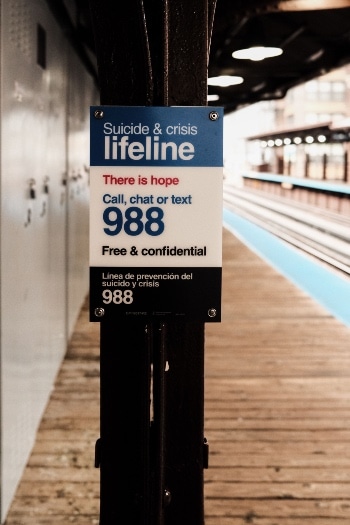
Another resource is the Veterans Crisis Line where responders connect veterans in need to resources for free and confidentially. The Crisis Line is accessed by calling the 988 Suicide and Crisis Helpline and pressing 1 or by texting 838255.
The VA has also awarded $111.9 million in grants to 191 community organizations that provide suicide prevention services to veterans across the country with $2.75 million in grants to four community organizations that provide suicide prevention services to veterans in Michigan. Grants for suicide prevention services are available to nonprofit organizations, state and local governments, federally recognized tribes, and other community-based organizations that have demonstrated a capacity to serve veterans. The funds are accessible through the Staff Sergeant Parker Gordon Fox Suicide Prevention Grant Program, which expands suicide prevention efforts beyond clinical settings to address both mental health and social determinants of health.
Addressing veteran mental health and suicide prevention requires a comprehensive, community-wide approach. By combining clinical care with strong postvention, community grant funding, and national gatherings such as Survivor’s Day, these collective efforts can help to reach every veteran and survivor in need, offering support, stabilization, connection, and hope.
“For people who may be experiencing thoughts of suicide, you’re not alone. Help is available right now 24/7. There’s always somebody there ready to listen.,” says Raad. “For survivors, you’re not alone either. There are communities out there that understand and will walk along beside you.”
Photos by Airam Dato-on and RDNE via Pexels.com
The MI Mental Health series highlights the opportunities that Michigan’s children, teens and adults of all ages have to find the mental health help they need, when and where they need it. It is made possible with funding from the Community Mental Health Association of Michigan, Center for Health and Research Transformation, Lifeways, OnPoint, Sanilac County CMH, Summit Pointe, Michigan Health and Hospital Association, Washtenaw CMH, and Public Safety Preservation Millage.
Related Articles
Family Time Coaching reunites families faster, reduces strain on foster care system
Program mentors parents so they can do better for their kids.
How community mental health supports grandparents raising grandchildren
Caring for a grandchild adds another level of difficulty in navigating aging — physically, mentally, and financially.
Task force aims to preserve health equity amid Medicaid cuts
West Michigan collaboration gets the word out about Medicaid changes and shares resources to help those affected.